
Claim The information in this story comes from a media outlet of one of the parties to the conflict and has not been independently verified.
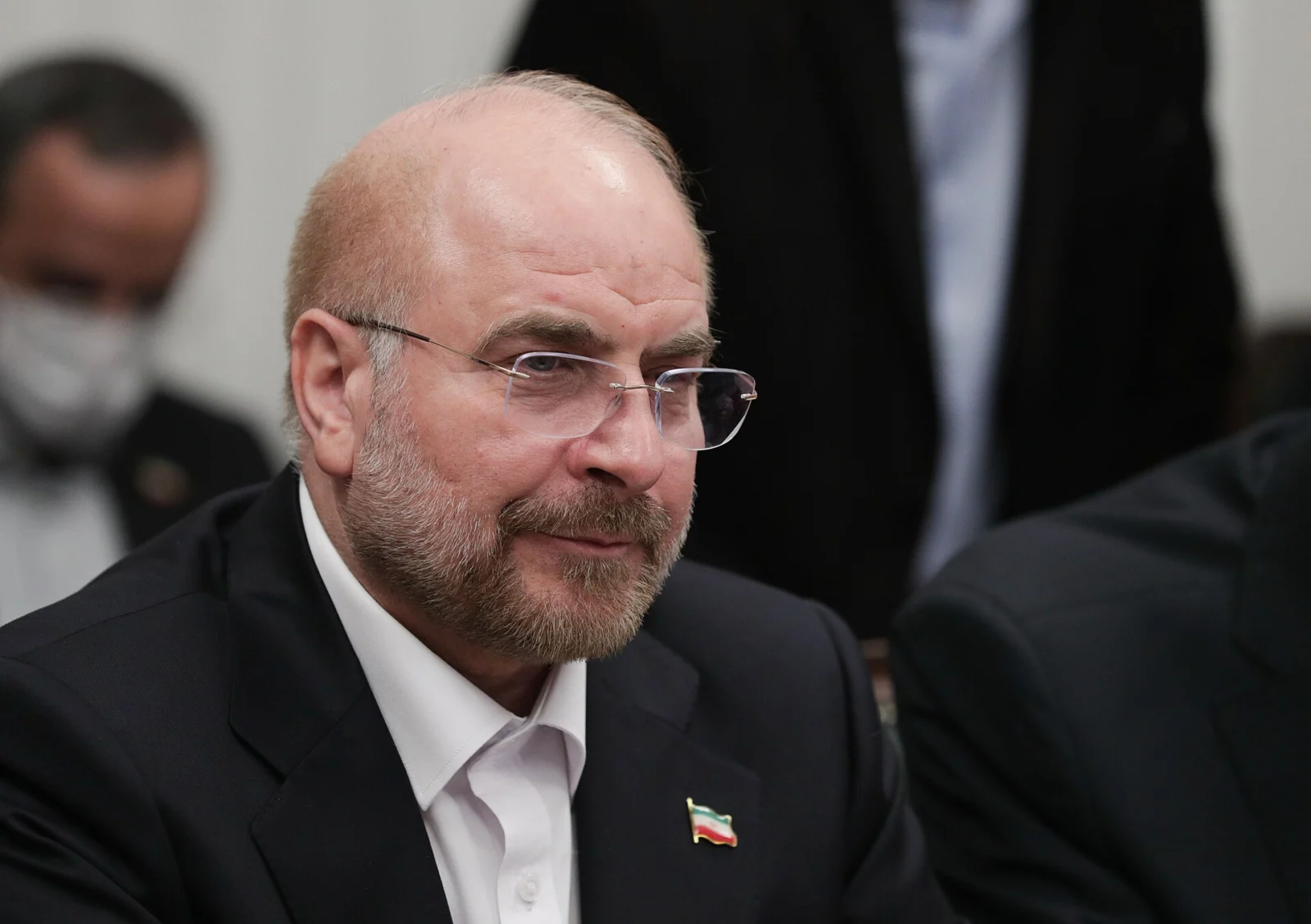
Iran’s parliament speaker, Mohammad Bagher Ghalibaf, said his country would not remain in a state of “neither war nor peace”. He said the way to an agreement is open if the United States accepts Iran’s seven conditions, and claimed that otherwise the Iranian armed forces would determine the geography of a new war.
According to Iran’s Mehr News Agency, Ghalibaf spoke on Sunday before the day’s agenda in parliament. Pointing to the capacity of the Revolutionary Guards’ Aerospace Force, he argued that thanks to the “achievements and sacrifices” of that force and the other armed forces, the country would not be left in uncertain waiting.
Ghalibaf said it was not decisive for Tehran whether Washington wanted negotiation or war. In remarks carried by Mehr, he said: “If they accept our seven reasonable conditions, which emerged as a result of the sacrifices of the Iranian people, the path to an agreement is open.” He added that if the US “makes another mistake”, the limits of the war would be drawn by Iran’s power rather than by Washington, and that many parties would be affected by the consequences of a new conflict. The speech did not spell out the seven conditions.
Ghalibaf also described the US Treasury Secretary’s remarks about Iran as “insulting” and claimed they showed Washington’s helplessness in the face of Iran. He said the secretary should think about “strategic defeats” in the Gulf instead of insulting nations.
Iranian Foreign Ministry spokesman Esmaeil Baghaei also reacted on Sunday morning to the US Secretary of State’s comment about Iranians that “they will have to eat eventually”. According to Mehr, Baghaei argued that the words amounted to a threat to starve the Iranian people through a blockade and said Washington was continuing its pressure and sanctions policies “under new names”. No US response to these statements appears in the sources.
Background
No formal peace agreement has been reached between the sides since the war that the US and Israel launched against Iran on 28 February. US Secretary of State Marco Rubio said last week that there was no need for new military action against Iran, and President Donald Trump claimed the US no longer needed a deal with Iran.
Ghalibaf came to the fore over the summer as Iran’s chief negotiator in indirect talks in Qatar, saying Tehran gave priority to diplomacy but was also ready for war.
Why it matters
Ghalibaf’s words signal that Tehran will not accept the current uncertainty for long. Setting conditions for a deal keeps the door to diplomacy open, while the emphasis on the geography of war is being watched closely because of US bases in the Gulf and the tension in the Strait of Hormuz. The statements come from Iran’s official media; the US response will show whether a new round of negotiations is possible.
Source: Mehr (İran), Mehr (İran, Bekayi açıklaması) · Image: State Duma, CC BY 4.0