
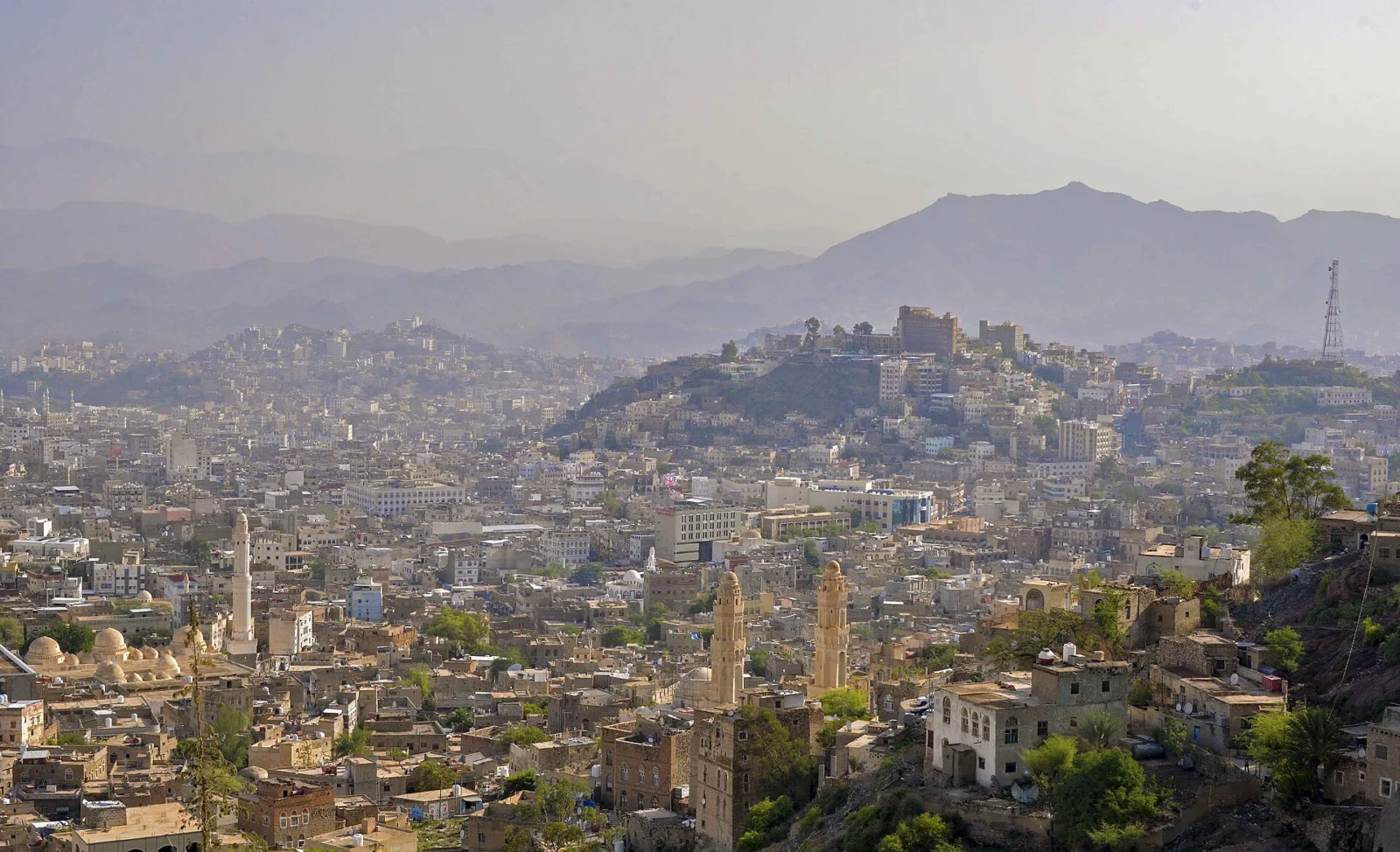
The UN Office for the Coordination of Humanitarian Affairs (OCHA) says nearly 330,000 people have been displaced in Yemen since 1 August, and 284 civilians have been killed or injured over the same period. According to its seventh situation update, dated 10 November, most new movements originate in and within Lahj and Ta’iz.
The update says the International Organization for Migration’s tracking unit has recorded 329,117 people, or 54,846 households, displaced since 1 August, about 48,000 more than in the previous update. In Lahj, heavy fighting around Al Madaribah Wa Al Aarah, Al Maqatirah and Tur Al Bahah has forced more families to flee. Many are heading to Tuban, where reception capacity is under strain, and further displacement towards Aden is expected.
The UN human rights office (OHCHR) has documented 284 civilian casualties in 107 incidents since 1 August: 70 people killed and 214 injured. Children account for 103 of the casualties and half of those killed.
Roads cut in Ta’iz, fuel sites hit
OCHA says people in Ta’iz city face growing hardship. Key routes linking Ta’iz with Aden and the West Coast have been repeatedly disrupted, and cooking gas has reportedly been prevented from entering the city since early October. Shortages are affecting health services, water production and food availability.
The update also flags strikes on fuel infrastructure in Al Hodeidah. Repeated strikes at the Ras Isa oil terminal, sharply reduced port activity and rising fuel prices raise concerns about shortages that could disrupt food supply chains, water pumping and health services across northern governorates.
On the response side, 256,872 internally displaced people (36,696 families) have received first-line emergency assistance. Nearly 8,900 registered families are still waiting, mainly in Lahj and Ta’iz, where insecurity, stock-outs and road blockages have interrupted distributions. Emergency cash has reached 84 per cent of verified households and food assistance 64 per cent, while shelter and water and sanitation support has reached only about one in four households in need. A measles–rubella vaccination campaign launched on 7 November has reached more than 600,000 children in southern governorates.
Background
The OCHA update covers the period from 1 August to 10 November. Last week the IOM said road restrictions were delaying aid deliveries, and in October the UN raised the alarm over the humanitarian crisis in Ta’iz.
Why it matters
The report shows the effects of the fighting reach well beyond the front lines: cut roads, strikes on fuel facilities and depleted stocks are hampering aid delivery all at once. OCHA also notes rising protection risks, including family separation, explosive ordnance, eviction threats and a growing risk of gender-based violence, while five safe spaces for women and girls have closed on the West Coast. With shelter and water support far behind needs, further displacement towards Aden would add to the pressure.
Source: OCHA (ReliefWeb) · Image: Rod Waddington, CC BY-SA 2.0