
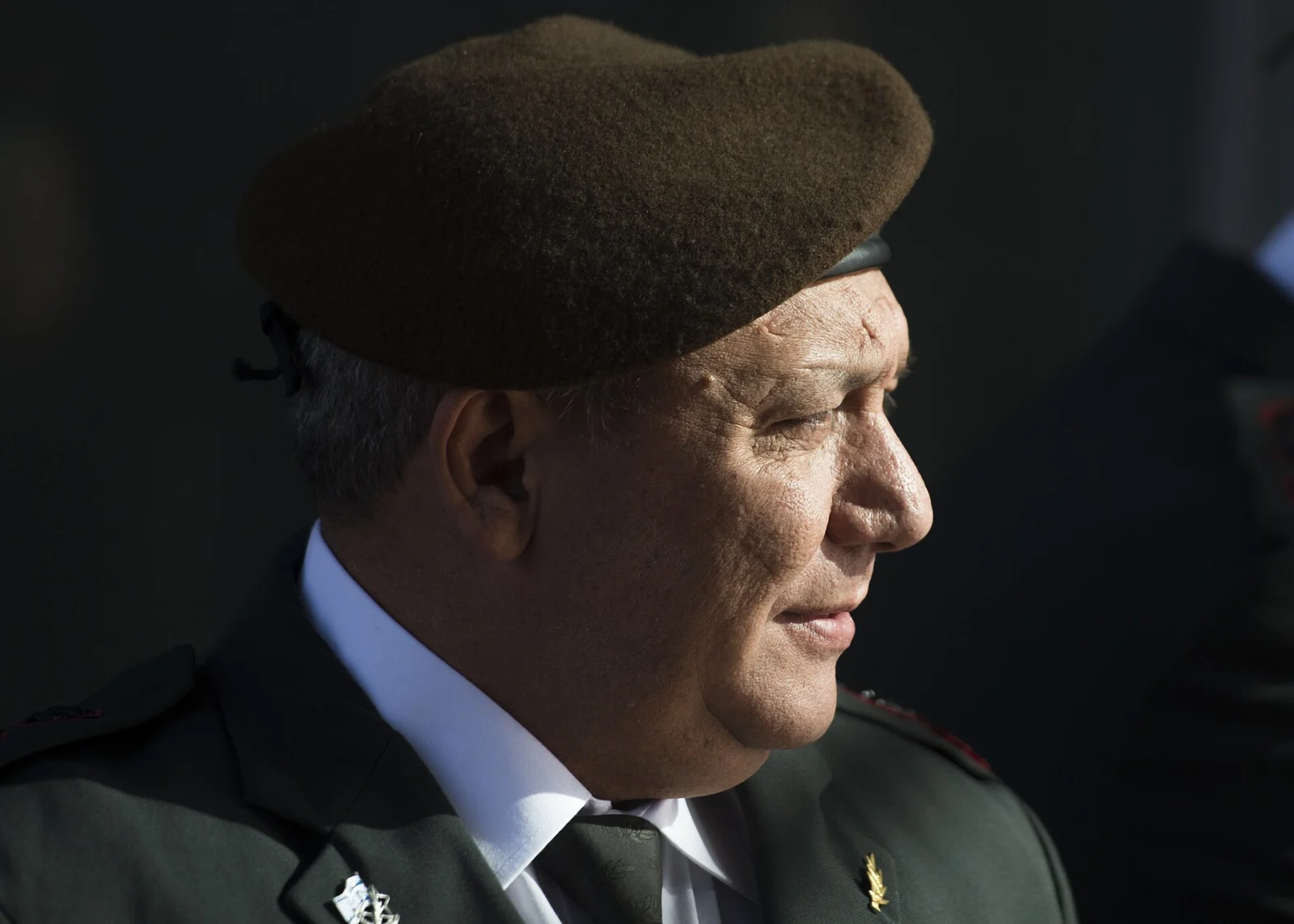
Gadi Eisenkot, the leader of Israel’s Yashar party who has been tasked with forming the next government, said caretaker Prime Minister Benjamin Netanyahu poses a “tangible, direct and immediate threat” to democracy. He announced plans for an inquiry committee into alleged interference by the Prime Minister’s Office in the recent Knesset elections.
According to Middle East Monitor, Eisenkot made the remarks in a post on X on Sunday, 15 November, responding to an investigation aired by Israel’s Channel 12. The report raised suspicions that associates of Netanyahu orchestrated the arrest of United Arab List activists on election day, 27 October, by giving police misleading intelligence. The allegations have not been confirmed by any court ruling, and the source report carried no response from Netanyahu or his office.
In his post, Eisenkot accused Netanyahu and those around him of subordinating state institutions to the prime minister’s political and personal interests. “Nothing in Israel has been left untouched by corruption, distortion and subjugation for the sake of Netanyahu’s political survival,” he said, adding that “there is no deterrent he has not ignored and no boundary he has not crossed”.
Eisenkot said Netanyahu must not remain in power “for even one more minute” and warned against holding another round of elections under his leadership. “As long as he remains in office, there will be no fair and proper elections in Israel,” he said. He described this position as the main consideration guiding his ongoing negotiations to form a new governing coalition.
He reiterated that the planned inquiry committee would examine two issues: the alleged involvement of the Prime Minister’s Office on election day and the conduct of security agencies before and during the vote. The source report gave no details on when the committee would be set up or what powers it would have.
Background
Israel held a general election on 27 October. Eisenkot, a former military chief of staff, was tasked with forming the new government, while Netanyahu continues to head the caretaker government. As coalition talks continue, the opposition camp has been active: Yisrael Beiteinu leader Avigdor Liberman said he would take over as chair of the Knesset Foreign Affairs and Defense Committee on Monday, 16 November, calling it a “first step” toward a new government. Yousef Jabareen, leader of the Joint List of Arab parties, has also pointed to informal talks with Jewish opposition parties. Separately, Israeli media reported that Netanyahu discussed with Eisenkot the possibility of resuming attacks on Iran.
Why it matters
A promise by the politician tasked with forming the government to investigate claims linking the sitting prime minister to interference in the election suggests the transfer of power will be tense. Eisenkot’s words also indicate that he is keeping his distance from any partnership with Netanyahu in the coalition talks. If the inquiry committee is established, decisions taken by the police and security agencies on election day would come under official scrutiny, which could widen the debate over the representation of Arab voters said to have been affected by the election-day arrests. If the allegations are not proven, the statement will remain another point of polarisation in an already sharply divided Israeli political scene.
Source: Middle East Monitor · Image: Chairman of the Joint Chiefs of Staff from Washington D.C, United States, CC BY 2.0