
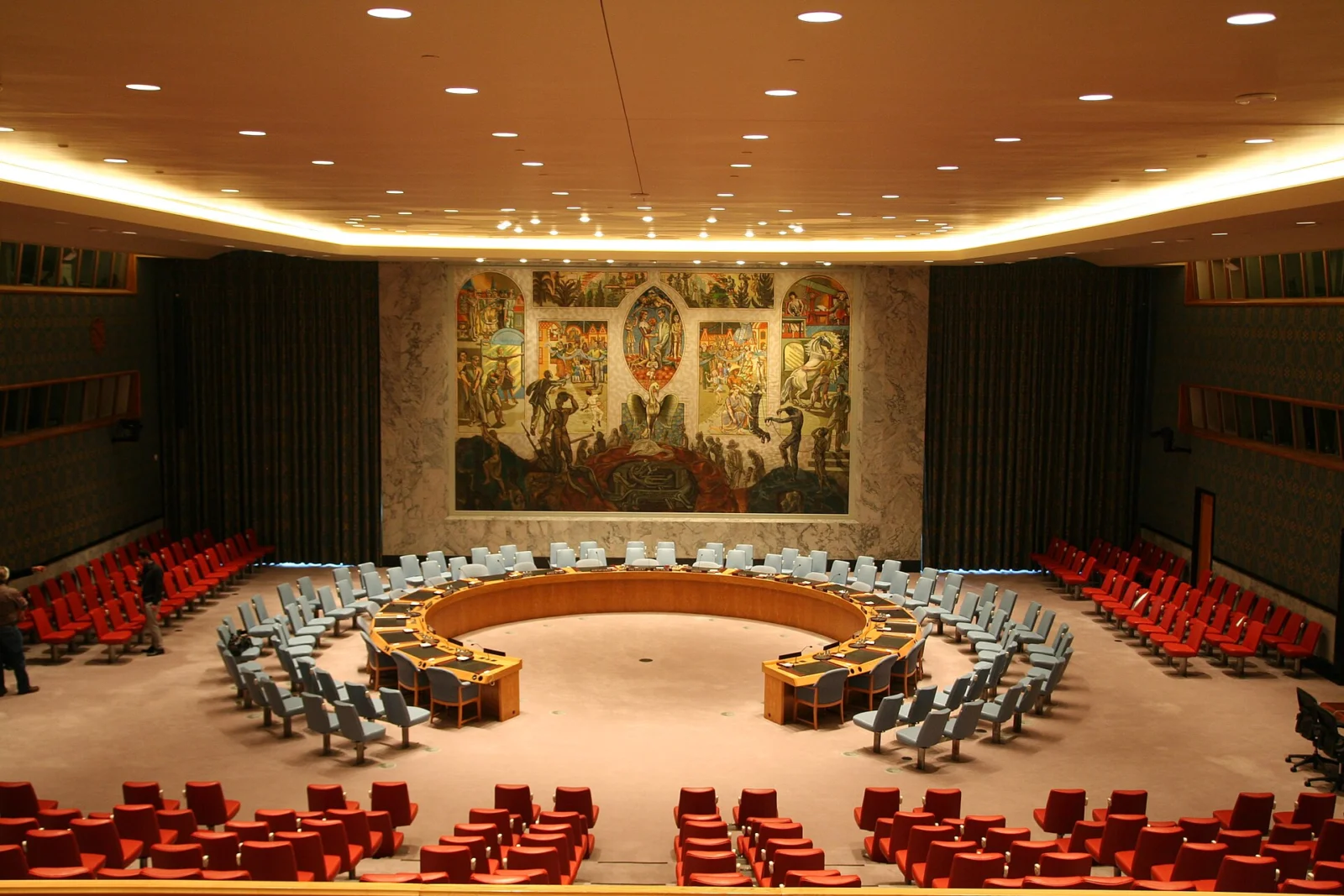
Mohamed Yahya, the United Nations Assistant Secretary-General for Humanitarian Affairs, briefed the UN Security Council on the humanitarian situation in Syria on Monday, 16 November. He said explosive ordnance had killed 30 people, 19 of them children, since the Council last met in October, and that Syria’s civilians “cannot afford more instability”.
According to the text of the briefing published by the UN Office for the Coordination of Humanitarian Affairs (OCHA), Yahya spoke on behalf of UN Emergency Relief Coordinator Tom Fletcher. He said nearly four million Syrians have voluntarily returned to their homes since December 2024. Since the October meeting a further 60,000 internally displaced people have gone home, two-thirds of them from camps, and another 18,000 refugees have returned to the country.
Yahya stressed that returns do not mean humanitarian needs have ended. Millions remain displaced, including more than 730,000 people still living in camps. For many families, he said, return “marks the beginning of a new struggle”: homes must be repaired, schools and health facilities rehabilitated and livelihoods restored.
Explosive ordnance and winter
Yahya described explosive ordnance as one of the greatest obstacles to safe returns. At the previous meeting he had reported 14 deaths in the month before; since then 30 more people have been killed and more than 80 injured, 35 of them children. “The situation is not improving,” he said. In the first half of this year partners surveyed more than 42 million square metres across the country and cleared more than 700,000 square metres of contaminated land.
An estimated 2.4 million people will need additional assistance this winter, and the UN winter response plan targets 970,000. Nearly 200,000 displaced people and returnees are living in damaged shelters without adequate protection from the cold. Recent heavy rain and flash floods inundated hundreds of shelters and homes, washed away a number of key bridges and destroyed nearly 5,000 acres of crops. In eastern Syria alone more than 2,000 families were affected. Yahya added that floodwaters have moved explosive ordnance into areas previously considered safer.
Poliovirus has been detected in two children in Deir ez-Zor. The Ministry of Health, supported by the World Health Organization (WHO) and UNICEF, has vaccinated more than 34,000 children.
Background
Bashar al-Assad’s government fell in December 2024, and returns accelerated after that. Yahya said the returns also reflect progress towards the government’s “No Camps” vision. Even so, Syria’s humanitarian appeal is only a third funded. Shortfalls are forcing the World Food Programme (WFP) to halve its food assistance, and the UN Population Fund (UNFPA) has closed more than 28 health facilities.
Why it matters
The briefing shows that recovery in Syria has begun but that the gains remain fragile. Without naming anyone, Yahya said the actions of “other actors and states” that undermine Syria’s security and stability jeopardise returns and deepen humanitarian needs. His request to the Council was direct: sustain humanitarian funding, support mine action and the winter response, and invest in durable solutions and economic recovery. With winter approaching and the aid budget short, the coming weeks will be decisive for families who have returned.
Source: OCHA · Image: MusikAnimal, CC BY-SA 4.0