
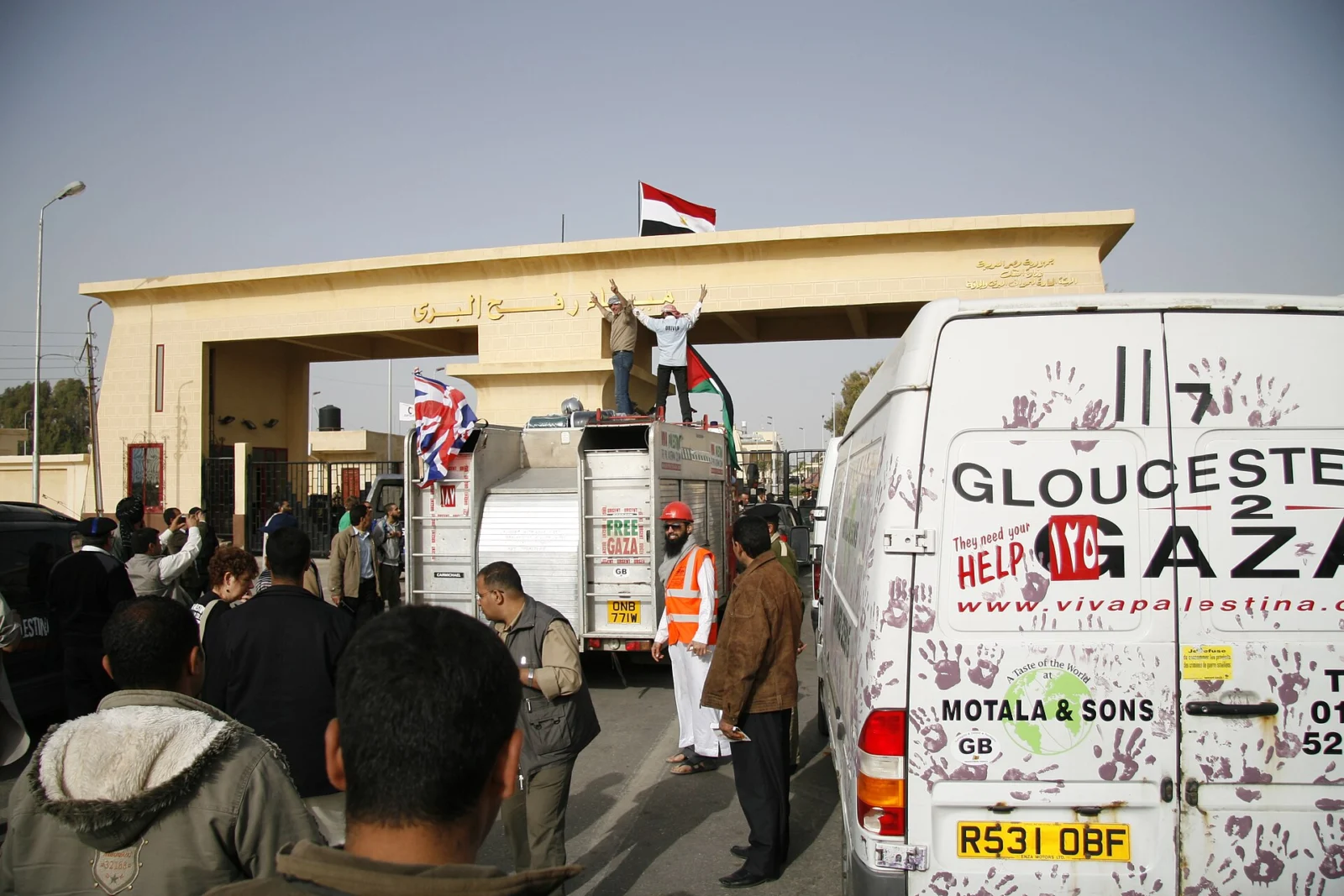
The United Nations said an Israeli air strike on Sunday, 15 November, hit “very close” to a UN-led fuel convoy in Rafah in the southern Gaza Strip. The UN said it had raised the matter with its Israeli interlocutors, and also warned that 42 per cent of all medicines in Gaza are virtually out of stock.
UN deputy spokesman Farhan Haq told reporters on Monday, 16 November: “We are concerned that strikes that targets near our staffed vehicles, especially vehicles carrying fuel, expose them to unacceptable risks.” He added: “Civilians, including humanitarian workers, must always be protected.”
As reported by Middle East Monitor, when asked whether the UN had raised the incident with the Israeli authorities, Haq replied: “Yes, we have raised this with our interlocutors. We do this constantly, and we try to make sure that all the appropriate deconfliction measures are put in place so we can go about our humanitarian work.” He said the UN wants to make sure that any of its vehicles carrying fuel are kept safe and far away from any strikes.
Medicine stocks running out
According to the 16 November daily update from the UN Office for the Coordination of Humanitarian Affairs (OCHA), strikes hitting populated areas continue to put civilians’ lives at risk, including those of aid workers. Efforts to respond to the latest flooding and prepare for more rain are also continuing.
Partners leading on health warn, based on Health Ministry data for October, that 42 per cent of all medicines, about 55 per cent of essential chemotherapy medicines, and about 73 per cent of supplies for open-heart surgery and cardiac catheterization are virtually out of stock. There are also acute shortages of laboratory reagents for kidney and liver function, electrolytes and diabetes testing, as well as agents needed for dialysis. Shortages of maintenance items have forced the continued suspension of certain transport services for health workers.
OCHA says much more humanitarian funding is needed to address these gaps. Aid organizations are also calling for faster entry of items that are tightly restricted by the Israeli authorities, including engine oil, batteries, tires and spare parts.
Background
A ceasefire has been in effect in Gaza since 10 October 2025, but strikes have continued. On 15 November, two Palestinians were killed in a drone strike in the Mawasi area of Rafah.
Why it matters
Fuel is one of the basic requirements for humanitarian work in Gaza to continue. A strike landing near a convoy carrying fuel both poses a direct danger to staff and puts already limited deliveries at risk.
The depletion of medicine and medical supply stocks, combined with winter and flooding, further narrows the limited capacity the health system has left. That is why the UN is calling for both more funding and faster entry of supplies at the same time.
Source: OCHA, Middle East Monitor · Image: gloucester2gaza, CC BY-SA 2.0