
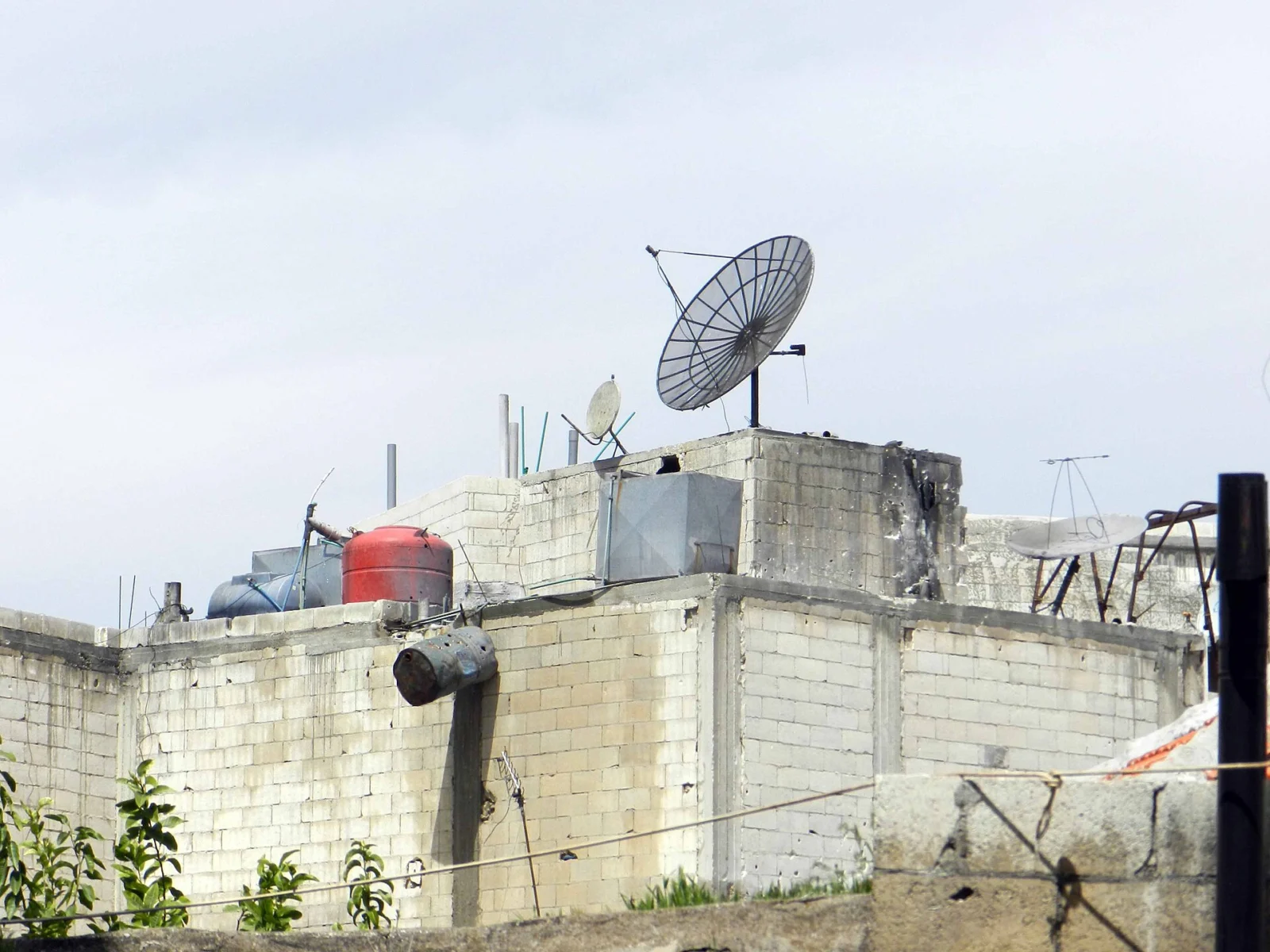
Rebuilding Syria’s damaged physical assets will cost an estimated $216 billion, according to a World Bank figure cited by Claudio Cordone, the UN Deputy Special Envoy for Syria, at the Security Council on Monday, 16 November. He called for greater international support for economic recovery and reconstruction.
Middle East Monitor reported that the session was held under the agenda item “The Situation in the Middle East”. With the second anniversary of the fall of Bashar al-Assad’s government approaching, Cordone said Syria had made progress in its political transition, economic recovery and security, but that much work remained. “Rapid economic recovery is critically important for the stability of Syria’s transitional period,” he said.
Cordone said Syria needs sustained international support, including public financing, development assistance and private-sector investment. Easing sanctions and increasing regional and international engagement could also speed up recovery. Alongside investment in infrastructure, he stressed that women, civil society organisations and affected communities should be involved in setting local reconstruction priorities.
Transitional justice and security
According to UN News, Cordone welcomed the formal submission last week of the draft Law on Transitional Justice to the interim People’s Assembly. He said justice must not be selective and that accountability must apply to crimes “regardless of the perpetrators or the victims”. Preparations for a permanent constitution and for credible, inclusive elections require clarity on processes and timelines, he added.
On security, Cordone said more than 100 Kurdish families trying to return to Tel Abyad in late October reportedly faced violence and intimidation, while Sweida remains in a “tense security and political stalemate”. Israeli military activities have continued “relentlessly in violation of Syria’s sovereignty and territorial integrity”, he said, deploring the killing of a man with a disability during an Israeli operation in Jamla, western Daraa, on 21 October. Jordanian airstrikes in Daraa on 27 October, which Jordan said targeted ISIL militants and a weapons depot, also caused civilian casualties, with three children among those reported killed.
Hayma Alyousfi, a Syrian feminist and human rights defender, told the Council that women who speak publicly face online abuse, including sexualised threats and coordinated campaigns to discredit them. She urged the authorities to suspend restrictive Assad-era laws on expression and assembly. “Stability built on silence is not peace,” she said.
Background
At the same session, Mohamed Yahya, UN Assistant Secretary-General for Humanitarian Affairs, briefed the Council on the humanitarian situation and reported that explosive ordnance had killed 30 people, 19 of them children, in a month. According to UN figures, nearly four million Syrians have returned home since December 2024, while more than 730,000 people are still living in camps.
Why it matters
The $216 billion estimate covers damaged physical assets alone and shows the scale of the reconstruction burden facing the country. The UN says that burden cannot be carried without a combination of public funds, development aid and private investment, and that easing sanctions is part of the picture. Cordone’s remarks indicate that economic recovery is seen as directly tied to the stability of the transition, while justice, the electoral timetable and security remain unresolved.
Source: Middle East Monitor, BM Haberler · Image: Bo yaser, CC BY-SA 3.0