
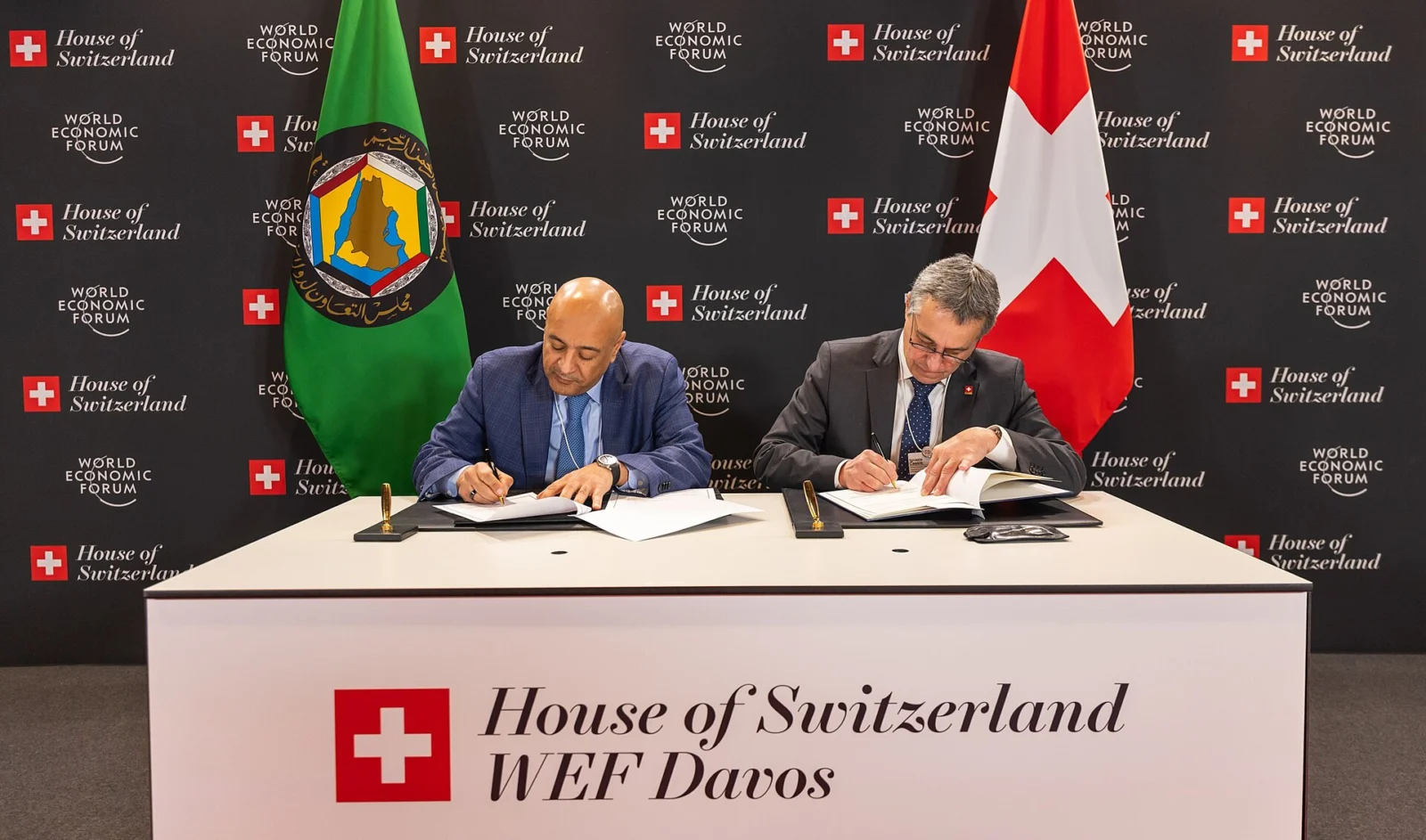
The Secretary-General of the Gulf Cooperation Council (GCC), Jasem Mohamed Albudaiwi, and the governments of Saudi Arabia, the United Arab Emirates, Kuwait and Yemen on Tuesday, 17 November, issued separate statements condemning renewed Iranian attacks on Bahrain. Iran’s Revolutionary Guards, for their part, delivered a sharp warning to Bahrain’s rulers on the same day.
According to the Qatar News Agency (QNA), Albudaiwi said the repeated attacks on Bahrain reflected Iran’s continued desire to undermine regional security and stability. He urged the international community, and the UN Security Council in particular, to fulfil its responsibilities, implement the relevant resolutions and take firm measures to stop the attacks and prevent them from happening again. He said GCC member states stood united with Bahrain and that any attack on Bahrain affects the security of all members.
Saudi Arabia’s Foreign Ministry described the attacks as a violation of international law and the principles of good neighbourliness that undermine peace efforts. Riyadh called for an immediate halt to attacks on countries in the region and for room to be made for diplomacy to resolve the crisis through negotiations. The UAE Foreign Ministry called the attack a flagrant violation of Bahrain’s sovereignty and a threat to its security.
Kuwait’s Foreign Ministry said the attacks, the most recent of which took place on Tuesday, violated Bahrain’s sovereignty and territorial integrity, international law, the UN Charter and UN Security Council Resolution 2817. Yemen’s internationally recognised government cited the same resolution and called the developments a dangerous escalation, according to the official SABA agency. None of the statements gave details of the target or any damage.
On the Iranian side, Revolutionary Guards spokesman Brigadier General Mohebbi, in a social media post carried by Mehr News Agency, accused Bahrain’s rulers of cooperating in attacks on Iran, sheltering under a US security umbrella and disrespecting Shia clerics. He said that if this continued, their survival in the region’s “new security order” would be in serious question.
Background
Bahrain has become one of the focal points of the confrontation with Iran. On 15 November its Interior Ministry urged residents to take shelter and the Bahrain Defence Force said it had intercepted Iranian aerial attacks, while Iran claimed it had struck a US radar at Riffa. Earlier, US Central Command (CENTCOM) denied an Iranian claim that a radar in Bahrain had been hit and said two drones had been shot down. On 16 November a Bahraini court sentenced 64 people, including clerics, to life in prison, with prosecutors alleging links to the Revolutionary Guards; Tehran condemned the verdicts.
Why it matters
The rapid succession of Gulf statements shows that the region’s governments treat attacks on Bahrain as a shared security issue. The GCC’s appeal to the Security Council suggests the crisis may be taken to international forums more often, while the Revolutionary Guards’ direct warning to Manama points to continued pressure on Bahrain as legal and military tensions become intertwined.
Source: QNA (KİK Genel Sekreteri), QNA (Suudi Arabistan), QNA (BAE), QNA (Kuveyt), SABA (Yemen hükümeti), Mehr (Devrim Muhafızları açıklaması) · Image: John Jason Junior, CC0