
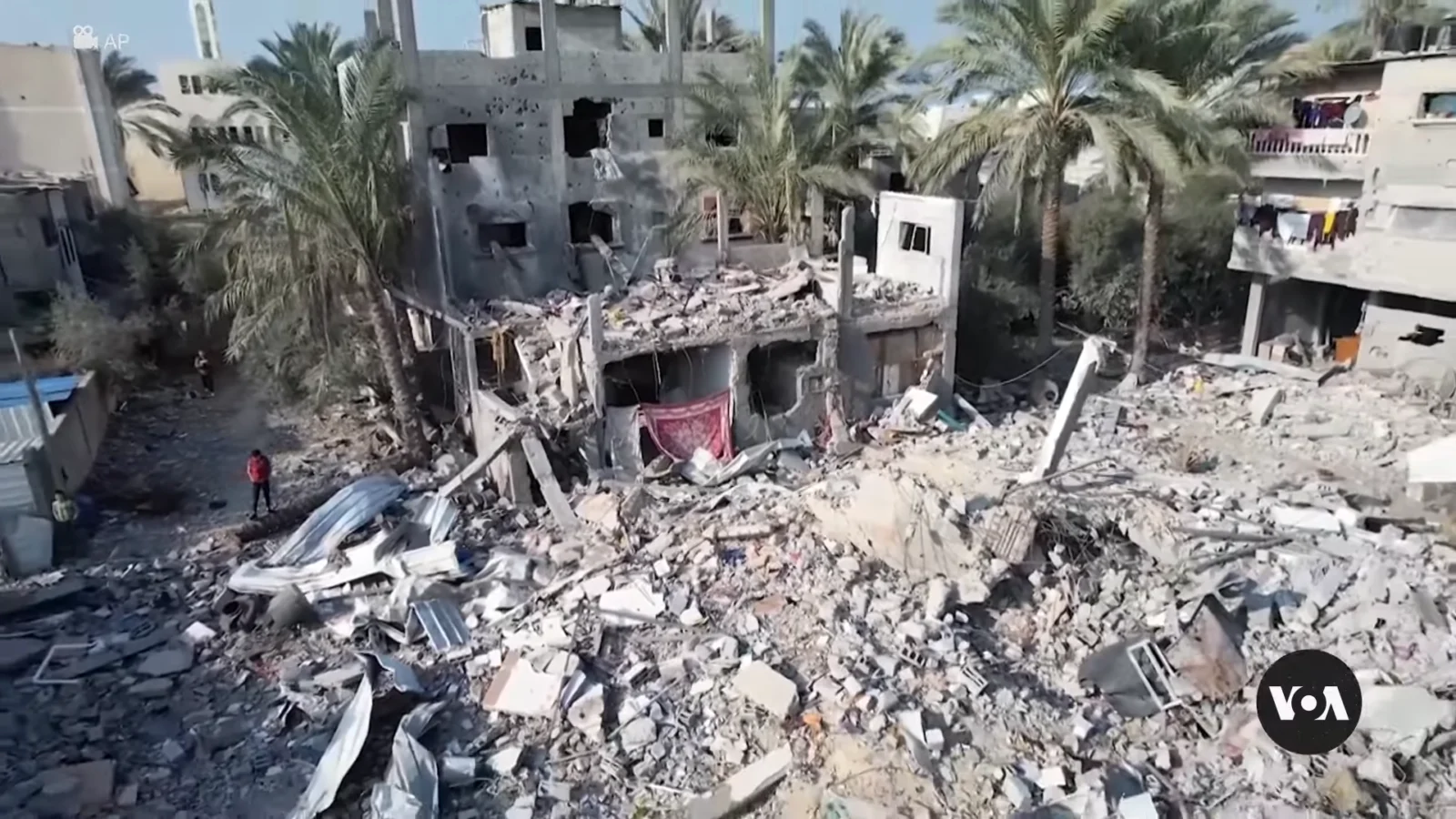
The Israeli army said on Wednesday it had launched a military operation in three blocks of the central Gaza Strip and closed parts of Salah al-Din Road in those areas, despite a ceasefire that has been in place since 10 October 2025.
COGAT, the Israeli unit responsible for civil affairs in the occupied territories, said in a Facebook post that the army had begun an operation in central Gaza near the “yellow line”, in areas numbered 660, 661 and 666. COGAT claimed the operation was aimed at what it called “terrorist infrastructure”.
The statement said Salah al-Din Road would remain closed in those blocks while the operation continued. COGAT told Palestinians to stay away from the area until the Israeli army spokesperson officially announced that the operation had ended. No further details were given on the nature or expected length of the operation.
According to figures released on Monday by Gaza’s Health Ministry, 1,650 Palestinians have been killed and 5,975 injured in Israeli violations since the ceasefire took effect on 10 October 2025. The ministry says more than 74,000 Palestinians have been killed and more than 176,000 injured in Gaza since October 2023. Israel did not separately respond to these casualty figures.
Background
The ceasefire took effect as part of the first phase of US President Donald Trump’s plan for Gaza. Under that phase, the Israeli army withdrew to a line inside Gaza known as the “yellow line”. Israel continues to control around 70 percent of the Gaza Strip, while most Palestinians live in areas outside Israeli control. The war has damaged around 90 percent of Gaza’s infrastructure, and the UN estimates reconstruction costs at about $71.4 billion.
Attacks have continued in recent weeks despite the truce: on 14 November, six Palestinians were killed in different parts of the territory.
Why it matters
By announcing a named “operation” during the ceasefire and closing a main highway, the Israeli army is signalling a broader military move than isolated strikes. Because the area lies near the “yellow line”, the length and scope of the operation also raise the question of where the ceasefire line actually stands. In central Gaza, already struggling with winter rains and a shortage of shelter, a prolonged road closure could make it harder to distribute humanitarian aid.
Source: Middle East Monitor · Image: Voice of America, Public domain