
Drone strikes are killing hundreds of people in Sudan every month, leaving children and families facing hunger, a lack of clean water and growing security risks, the aid group World Vision said. At least 25 strikes have been recorded in 11 states so far in November, and nearly 100,000 people have been displaced in Blue Nile state.
According to World Vision, at least 880 civilians were killed in drone strikes between January and May 2026, roughly 80 per cent of all civilian deaths in that period. Civilians are being killed in markets, hospitals, displacement camps and transport hubs. The organisation said more than 300 people were killed in Sudan last month alone, most of them civilians.
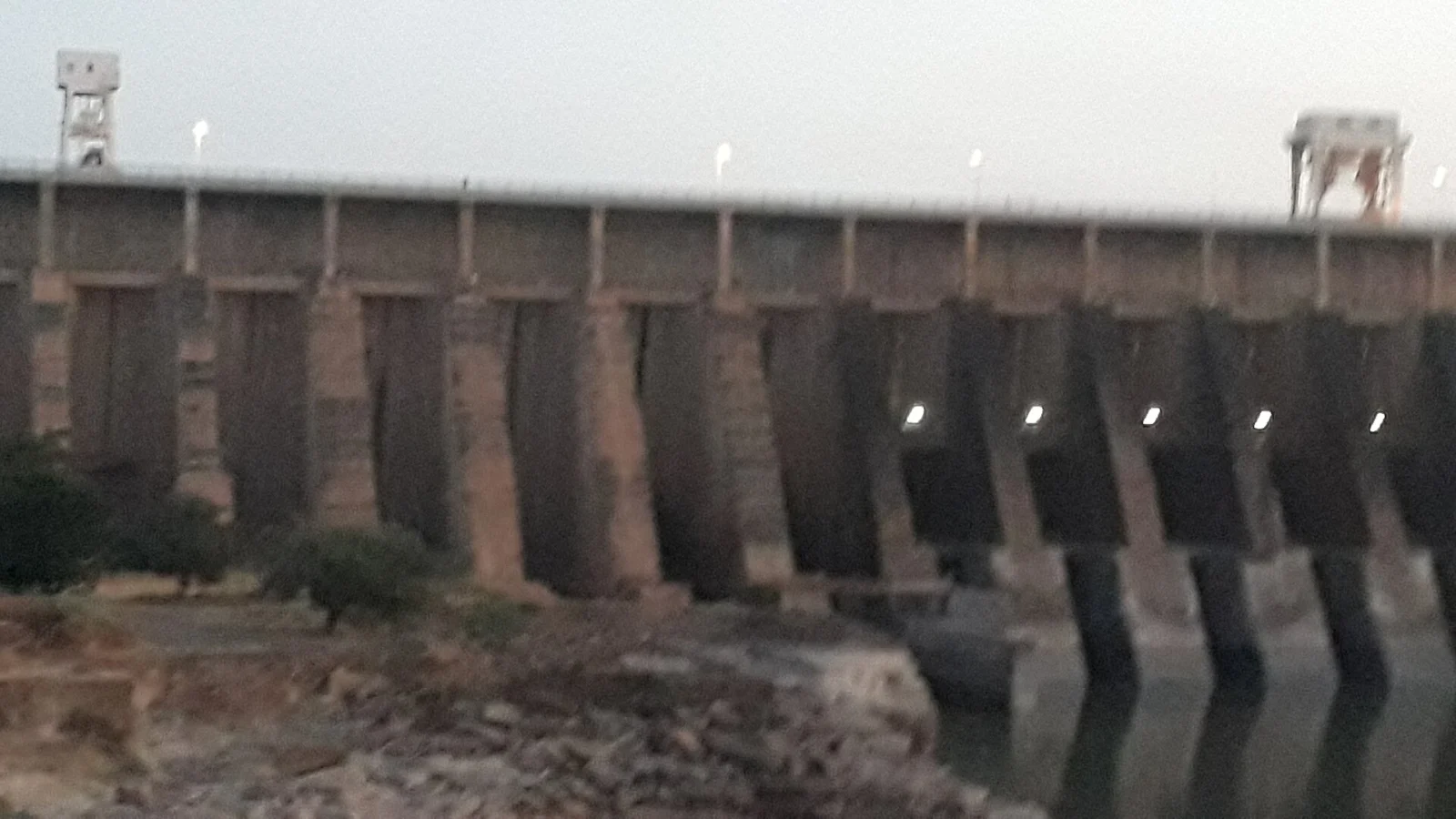
This month’s strikes have reached areas far from the front lines. In Damazin, the capital of Blue Nile state, drones hit the Roseires Dam transmission station and the city’s power plant, cutting electricity. Figures from the Sudan INGO Forum, of which World Vision is a member, show that drones struck six power stations in a single day, disrupting electricity across south-east Sudan.
Mass casualty incidents are also rising. A 26 October attack on a market in Nyala, South Darfur, killed or injured more than 150 people, while a drone strike near Amiet Market and Todach in the Abyei area on 19 October left dozens more civilians dead or injured, World Vision said.
“This must stop. Children and civilians have already fled fighting. Now the drones are following them, leaving them with no place to run,” said Simon Mane, National Director of World Vision Sudan. He said a strike on a power station affects a child on oxygen in hospital, a patient needing dialysis and families left without clean water. TJ Grant, National Director of World Vision New Zealand, said: “Children and civilians are not collateral damage.” He added that aid agencies are often forced to cancel aid trips because of drone activity.
The group called on all sides to stop targeting civilians and power, fuel and water systems, protect displacement sites, allow humanitarian access and let civilians reach farms, grazing land and markets during the harvest.
Background
In the war between Sudan’s army and the paramilitary Rapid Support Forces (RSF), drones have become the leading cause of civilian casualties in recent months. The Sudan INGO Forum earlier described October as one of the deadliest periods of 2026 for civilians. World Vision says security in Blue Nile continues to deteriorate, with fears of hunger growing as El Niño threatens the critical harvest season.
Why it matters
Strikes on energy, fuel and water infrastructure reach far beyond the immediate death toll, affecting hospitals, water pumps and food supplies. World Vision says movement restrictions, fuel shortages and rising costs are making it harder to reach people in need, and blocked access to farms during the harvest raises the risk of widespread hunger.
Source: ReliefWeb (World Vision) · Image: Mohamed grgory, CC BY-SA 4.0