
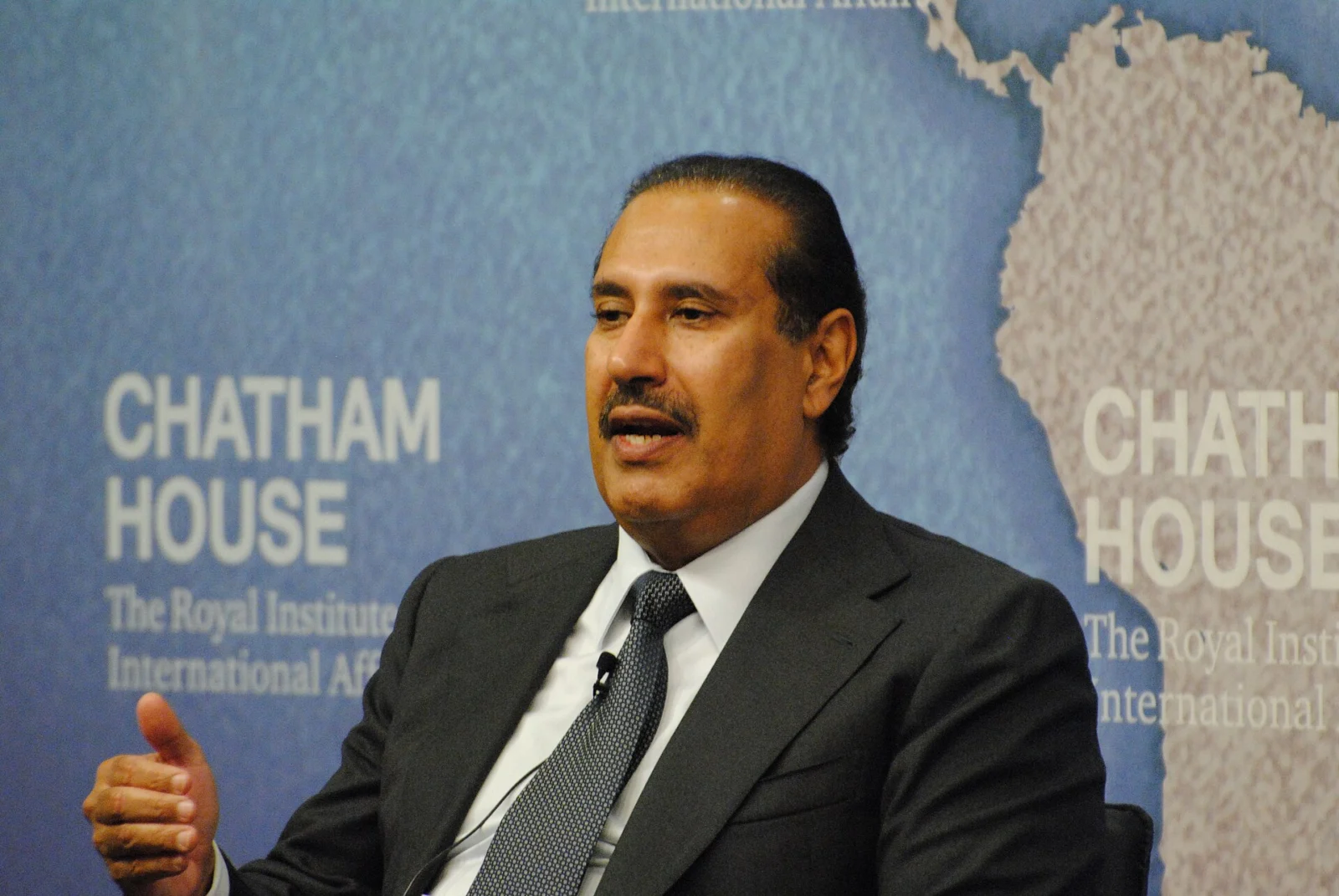
Former Qatari Prime Minister Hamad bin Jassim Al Thani has criticised remarks by Steve Bannon, a former adviser to US President Donald Trump, who called for Washington to review its relations with Gulf countries. Bin Jassim said the proposal reflects a “collapse of American credibility”.
In a post on X on Tuesday, reported by Middle East Monitor, bin Jassim objected to what he called Bannon’s “inappropriate approach” to discussing a change in US policy towards the Gulf. He attached a video of an interview in which the former US adviser talked about the future of relations with the region.
In the interview, Bannon argued that the United States should reconsider its ties with Gulf countries because it no longer needs the region’s oil, citing access to oil resources in Venezuela and the Gulf of Mexico as well as expected supplies from Guyana.
According to bin Jassim, Bannon urged Washington to distance itself from Saudi Arabia, Qatar, Kuwait and the United Arab Emirates, on the grounds that these countries ask the United States to protect their oil resources while Washington no longer needs them.
The former prime minister said the remarks show that US positions towards its allies shift with its interests and needs: “Bannon’s statement confirms what I have said before: in America, we are good and considered friends only when they need us. When they no longer need us, their priorities change.”
Background
Hamad bin Jassim served as Qatar’s foreign minister from 1992 to 2013 and as prime minister from 2007 to 2013. Since leaving office he has frequently commented on Gulf and US policy. Bannon is a former Trump adviser, and his remarks in the interview were his own view rather than a government statement. The exchange comes as Gulf states reassess their security and their relationship with Washington amid continuing tension with Iran.
Why it matters
Bannon’s comments are not official US policy, but the view that America no longer needs Gulf oil has a following in parts of Washington. A sharp response from a figure as prominent as Qatar’s former prime minister signals growing doubts in Gulf capitals about US security commitments, doubts that could push these states to diversify their partnerships and invest more in their own defence.
Source: Middle East Monitor · Image: Chatham House, CC BY 2.0