
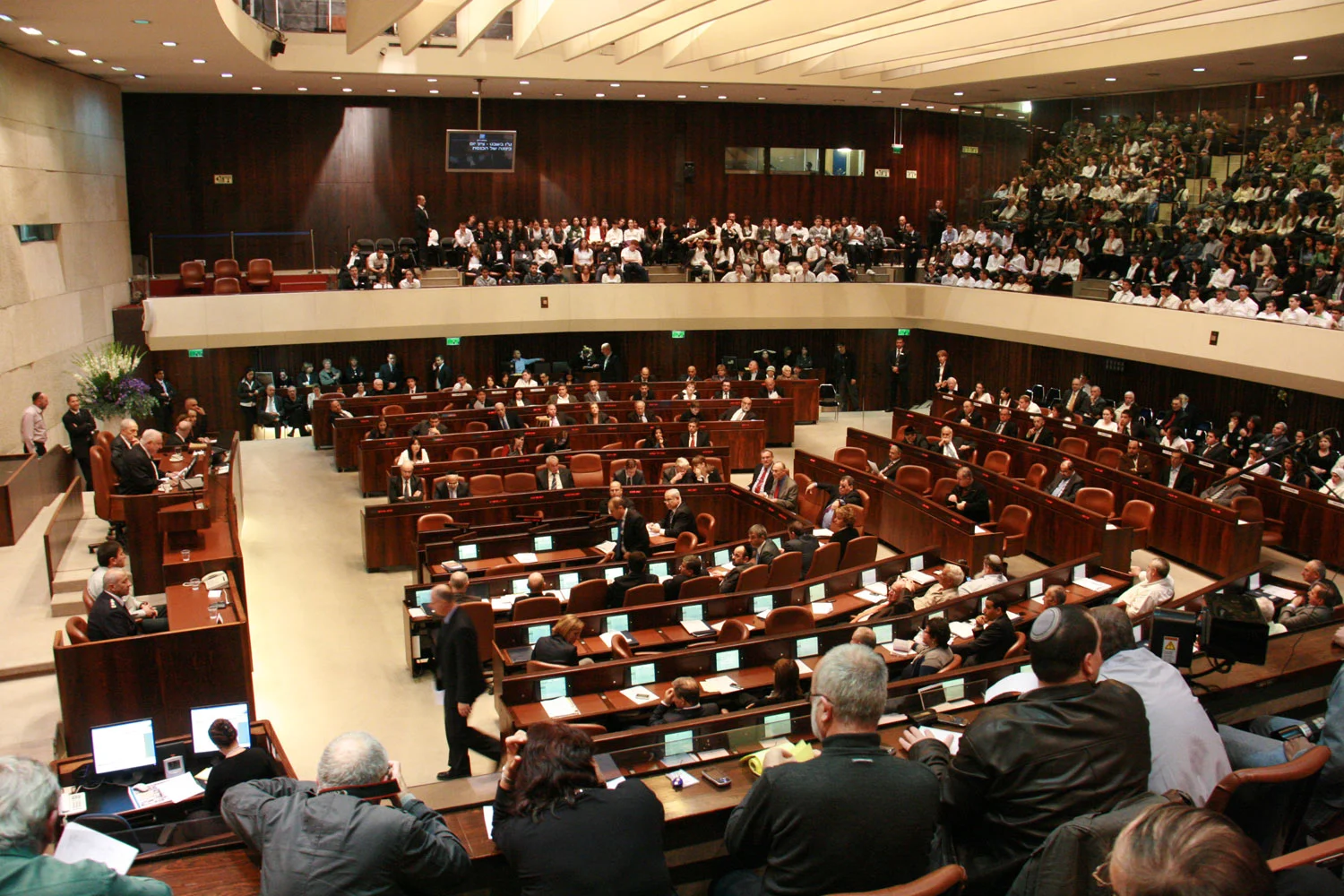
Israel’s parliament, the Knesset, on Wednesday 19 November gave preliminary approval to a bill that would suspend the parliamentary rights and salary of any member who refuses to recognise Hamas as a “terrorist organisation” or disputes that classification, until they accept it. The bill passed 48 to 0, while the opposition change bloc and the Arab parties stayed out of the vote.
The bill was introduced by Ofir Katz, a lawmaker from Prime Minister Benjamin Netanyahu’s Likud party. Middle East Monitor, citing the Jerusalem Post, reported that 48 lawmakers voted in favour and none against. A preliminary reading is only the first stage in the Knesset; the bill must still go through committee and further readings before it can become law. The source did not say when a final reading might take place or which lawmakers would be directly affected.
The session also showed Netanyahu’s coalition without a majority in the chamber. According to The Times of Israel, the four parties in the change bloc led by Gadi Eisenkot, which hold 48 seats, walked out, along with the United Arab List and the Joint List, which hold 19 seats between them. Eisenkot’s Yashar party called Likud’s move a “political charade”.
In a statement, Yashar said its bloc would not vote on legislation proposed by Likud and described the proposals Likud brought forward that day as “an embarrassing provocation”. No separate response from Likud on the vote was reported.
Background
Israeli President Isaac Herzog gave Eisenkot the mandate to form a government on 8 November. The change bloc and the two Arab lists together hold 67 of the Knesset’s 120 seats. Eisenkot has 28 days to form a government, a period that can be extended by 14 days. On 18 November the bloc’s leaders said in a joint statement that replacing Netanyahu as soon as possible was their highest priority. Netanyahu remains at the head of a caretaker government until a new one is formed.
Why it matters
The bill puts a debate directly aimed at the Arab parties’ cooperation with the opposition bloc on the Knesset’s agenda while coalition talks are still under way. The Arab lists’ 19 seats are a significant part of the numerical majority for a government without Netanyahu. The opposition’s decision to boycott Likud bills also suggests the caretaker government may now struggle to pass legislation.
Source: Middle East Monitor · Image: איציק אדרי-Itzik Edri, CC BY 2.5