
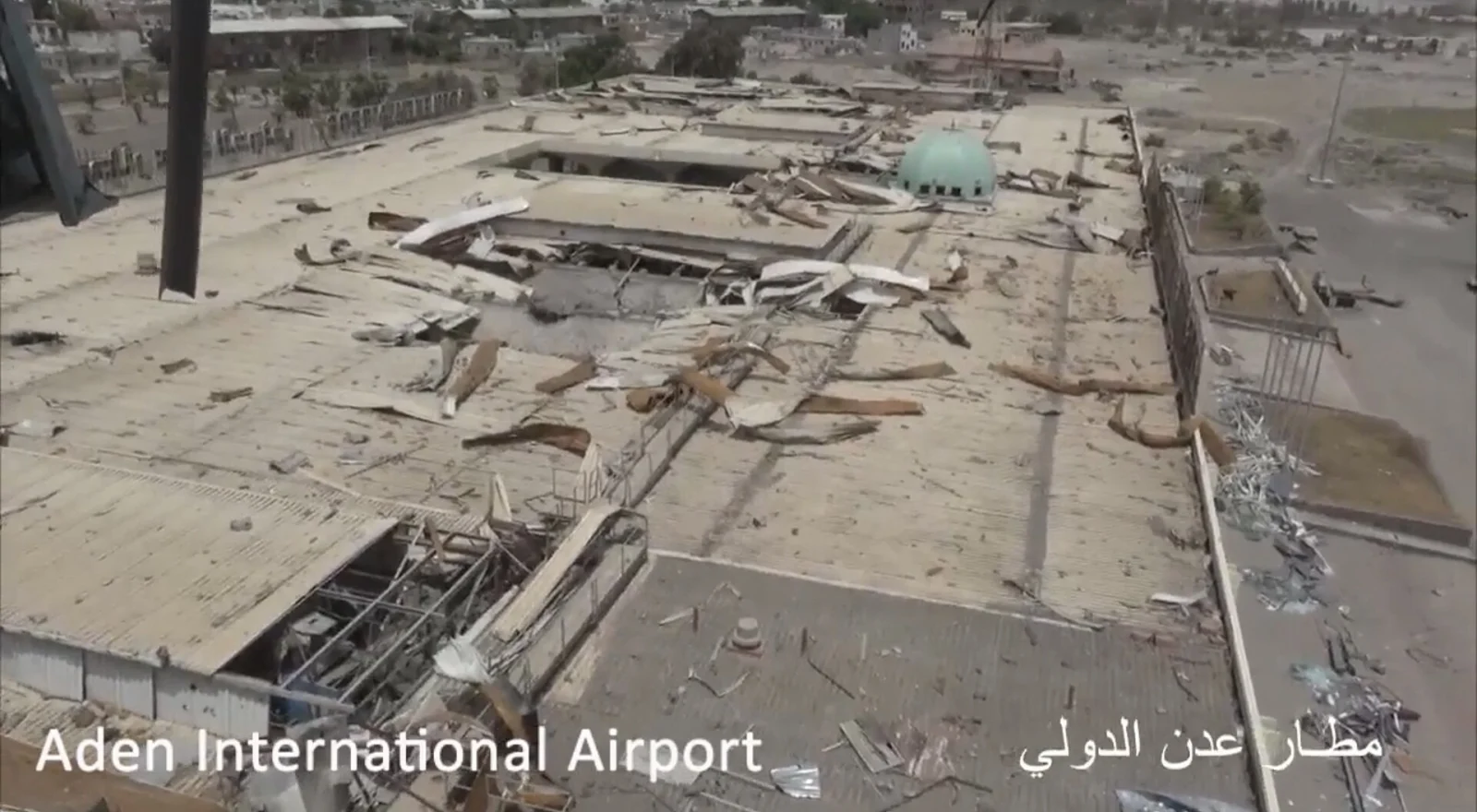
A contribution of 3.1 million euros from the European Union, through its humanitarian aid operations, helped the UN Humanitarian Air Service (UNHAS) keep flying across Yemen over the past year. The UN World Food Programme (WFP), which manages the service, said 716 flights were operated during the period.
According to a WFP statement from Aden, UNHAS transported about 6,430 passengers from 110 humanitarian organisations and institutions, including UN agencies, national and international NGOs and diplomatic missions. With commercial air services severely limited, the service connected aid workers with hard-to-reach communities and supported the safe movement of personnel and relief cargo.
UNHAS also provided security and medical evacuation services during the period. WFP said that despite increasing operational constraints, the service played a vital role by linking humanitarian hubs and enabling frontline responders to reach affected people.
The statement said UNHAS remains “indispensable” in Yemen, where security challenges, operational constraints and limited transport options continue to affect humanitarian access. According to WFP, EU support helped aid organisations keep an operational presence across the country and continue delivering assistance to people affected by conflict, displacement and economic hardship.
Background
Humanitarian needs in Yemen are rising fast as fighting escalates again. IOM data show about 357,000 people have been displaced since August, with most heading to Taiz. The Houthis are reported to be advancing towards Aden in the south, and UN agencies have warned of a risk of famine in the besieged city of Taiz.
According to the World Health Organization, the number of people killed and injured in the fighting has reached 12,779. UNICEF said at least 64 children have been killed and 64 injured since 3 September. Last week, Saudi King Salman replaced the commander of the coalition in Yemen.
The statement noted that the EU and its member states are among the world’s leading humanitarian donors, with EU aid delivered through the European Commission’s Directorate-General for European Civil Protection and Humanitarian Aid Operations.
UNHAS is run by WFP to provide transport for aid workers and humanitarian cargo in crisis zones where commercial flights are inadequate.
Why it matters
In Yemen, where roads are unsafe and commercial flights limited, the humanitarian air service is one of the main guarantees that aid teams can reach the field and be evacuated in emergencies. Funding for such services directly affects whether aid can continue as displacement grows.
Source: Dünya Gıda Programı (ReliefWeb) · Image: IOM – UN Migration, CC BY 3.0