
Claim The information in this story comes from a media outlet of one of the parties to the conflict (Mehr) and has not been independently verified.
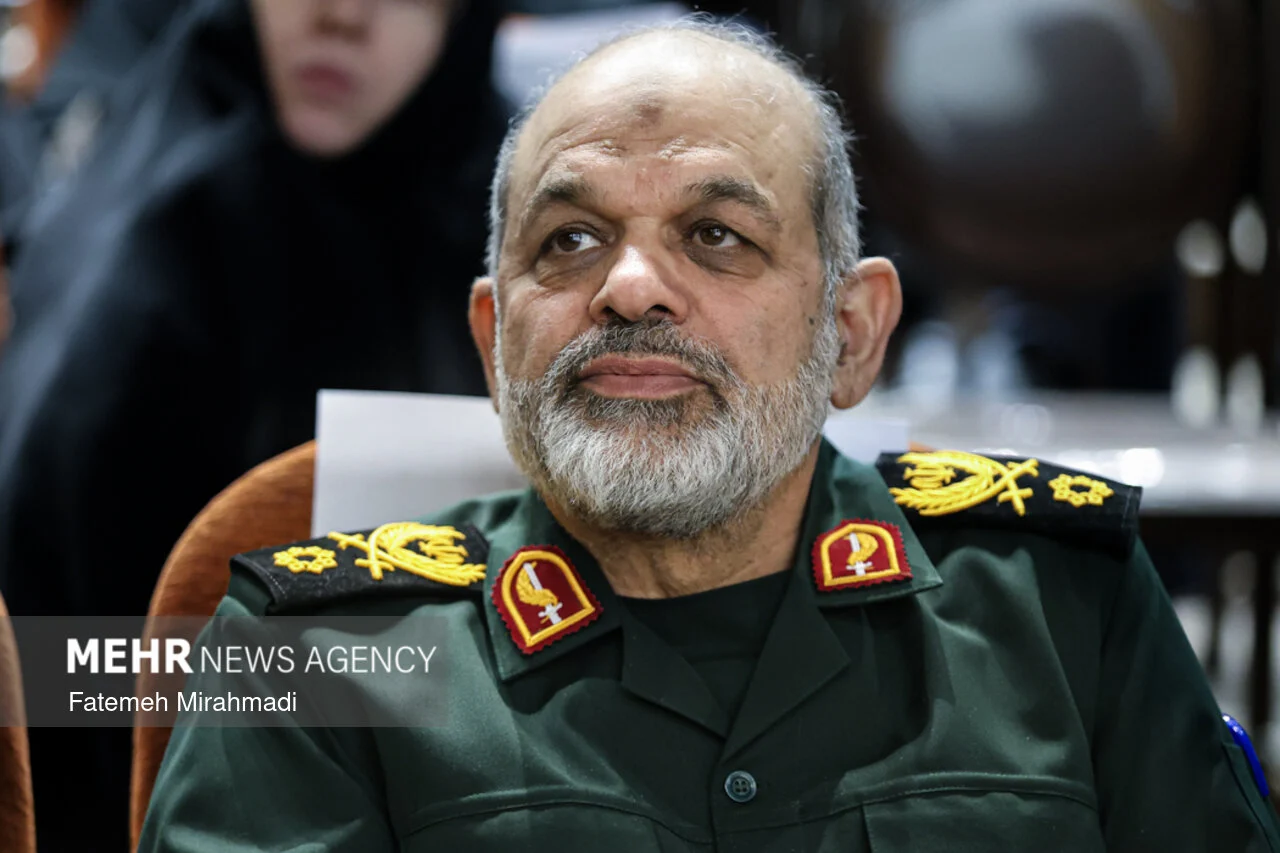
Major General Ahmad Vahidi, commander-in-chief of Iran’s Islamic Revolutionary Guard Corps (IRGC), has claimed that the United States and Israel failed to achieve their goals in the war against Iran and are left with no option but to withdraw from the region. His remarks, carried by the semi-official Mehr news agency on 20 November, drew no immediate response from Washington or Israel.
According to Mehr, Vahidi said a large part of the war was over but that a new phase of struggle lay ahead. He argued that Iran’s adversaries had entered the conflict expecting a swift collapse, claiming they told some Gulf states they would see results within 72 hours and later extended that estimate to two weeks.
Vahidi alleged that an unprecedented amount of munitions had been used against Iran, saying stocks spent over years in other wars had been fired within one or two months, or even 40 days. He also claimed Washington had been forced to seek help from European countries, regional states and others, some of which provided support without announcing it.
Acknowledging heavy losses, Vahidi said the greatest was the death of Supreme Leader Ali Khamenei. “The world will no longer be a safe place for the killers and criminals who committed these murders,” he said.
He claimed that up to 120 Western ships, about 70 of them warships, used to operate in the Gulf but had not been seen in or outside the Strait of Hormuz for months. He said Iranian forces’ reach at sea extended at least 500 kilometres from the coast, keeping warships 500 to 600 kilometres away, and that the IRGC Aerospace Force was stronger than at the start of the war. None of these claims has been independently verified.
Background
The war between Iran and the United States and Israel began on 28 February 2026. A memorandum of understanding on a cessation of hostilities was reached on 17 June, but fighting has escalated again in recent weeks, with Iran reporting tankers hitting mines in the Strait of Hormuz and Gulf states taking Iranian attacks to the UN Security Council. The number of US aircraft carriers in the region rose to three in mid-November.
Why it matters
Vahidi’s comments reflect Tehran’s effort to present the war as a military and political victory. His claim of control over Hormuz keeps alive concerns about security on a route carrying a large share of the world’s oil and gas trade, in the same week the US Senate rejected, by 48 votes to 51, a resolution directing President Trump to withdraw troops from the conflict with Iran.
Source: Mehr · Image: Fatemeh Mirahmadi, CC BY 4.0