
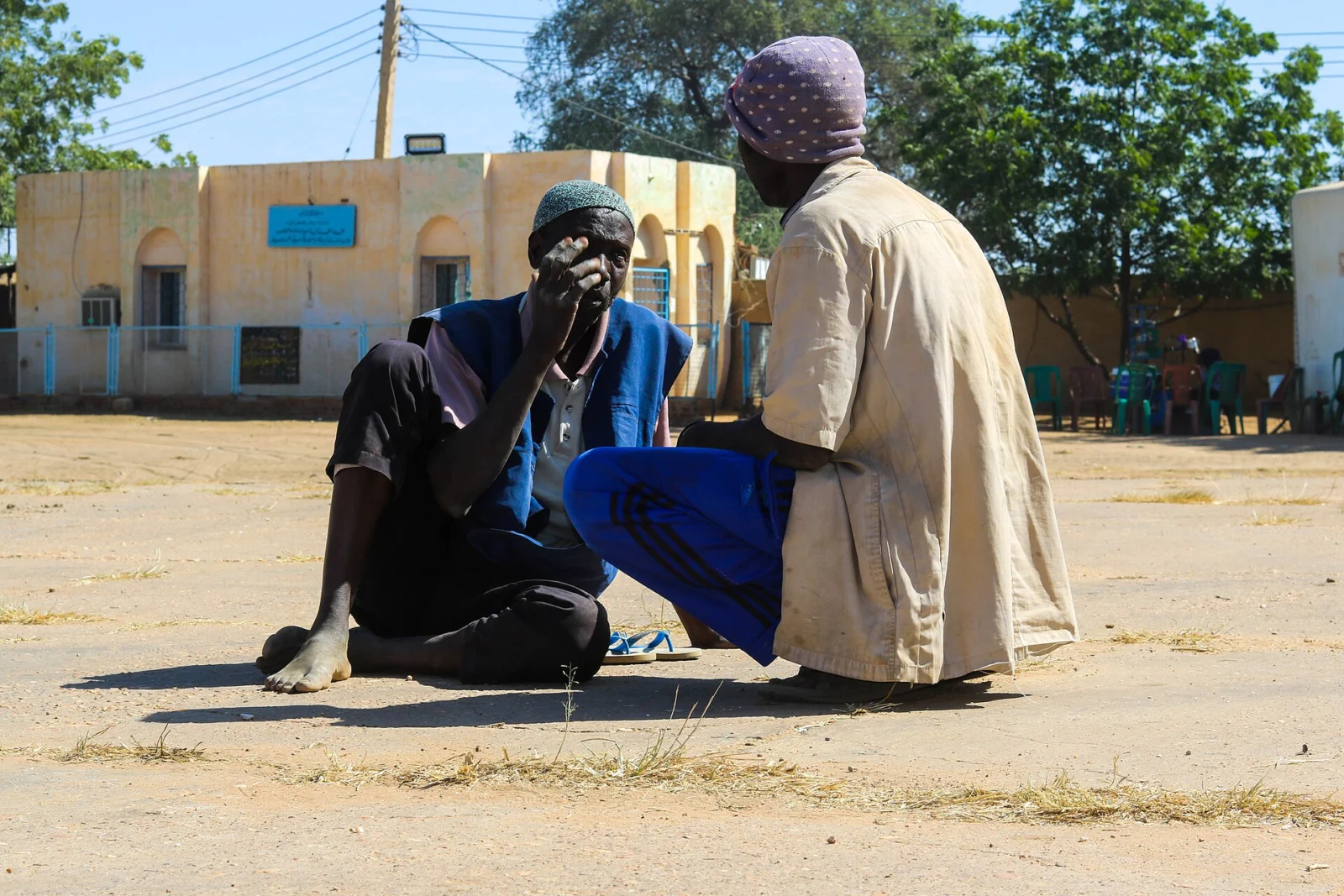
Amnesty International has called for drone strikes by the Rapid Support Forces (RSF) on El Obeid, the capital of Sudan’s North Kordofan State, to be investigated as war crimes. The organization documented nine strikes in and around the city that killed 37 civilians and injured 10 between June and August 2026.
According to the investigation published on 18 November, three of the strikes hit residential areas, four struck key civilian infrastructure including the city’s power plant, fuel stations and main market, and two targeted moving vehicles. Amnesty said it found no military objectives near the sites at the time they were hit. In every incident, people interviewed said they saw or heard drones moments before or after the strike.
On 10 June, a strike on civilians carrying a body for burial at the Dalil cemetery killed at least five people and injured three. The next day, a strike on a home in the Al-Matar neighbourhood killed at least nine civilians. On 18 June, a strike on the main electricity station caused a city-wide blackout, and satellite imagery showed a new burn area at the facility. Several fuel stations were hit in June and July. In July, Médecins Sans Frontières assessed that almost no functioning fuel stations remained in the city, with a litre of gasoline costing nearly $15.
Amnesty Secretary General Agnès Callamard said the attacks must be investigated as war crimes and warned that the conflict was entering a new phase in which all parties increasingly use drones not only to kill and injure civilians but also to disrupt essential services. She urged the UN and the African Union to work together on concrete civilian protection measures, including a protection force for Sudan. Amnesty also called for the Darfur arms embargo to be extended to the whole country and to explicitly cover drones.
Amnesty recalled that it had previously documented the United Arab Emirates supplying weapons, ammunition, armoured personnel carriers and drones to the RSF, including Chinese-made Wing Loong II and FeiHong-95 drones. Responding on 24 October to findings shared on 8 October, the RSF blamed the Sudanese army for the civilian casualties without providing evidence, but said it was considering a “Specialized Investigative Committee” to examine such incidents.
Background
El Obeid remains under the control of the Sudanese Armed Forces and allied forces. The RSF first launched drone attacks on the city in October 2025 and sharply escalated them in June 2026 as it reportedly prepared a ground offensive, raising fears of a repeat of the atrocities committed when it seized El Fasher a year ago. Amnesty interviewed 29 people from the city between July and September and reviewed photos, videos and satellite imagery.
Why it matters
The findings show how drones are reaching cities far from the front line, with strikes on power, water and fuel deepening an existing food and water crisis. Calls to widen the arms embargo and halt supplies to the warring parties are likely to feature in the next UN Security Council debates on Sudan.
Source: Uluslararası Af Örgütü (ReliefWeb) · Image: Wadalyemen, CC BY-SA 4.0