
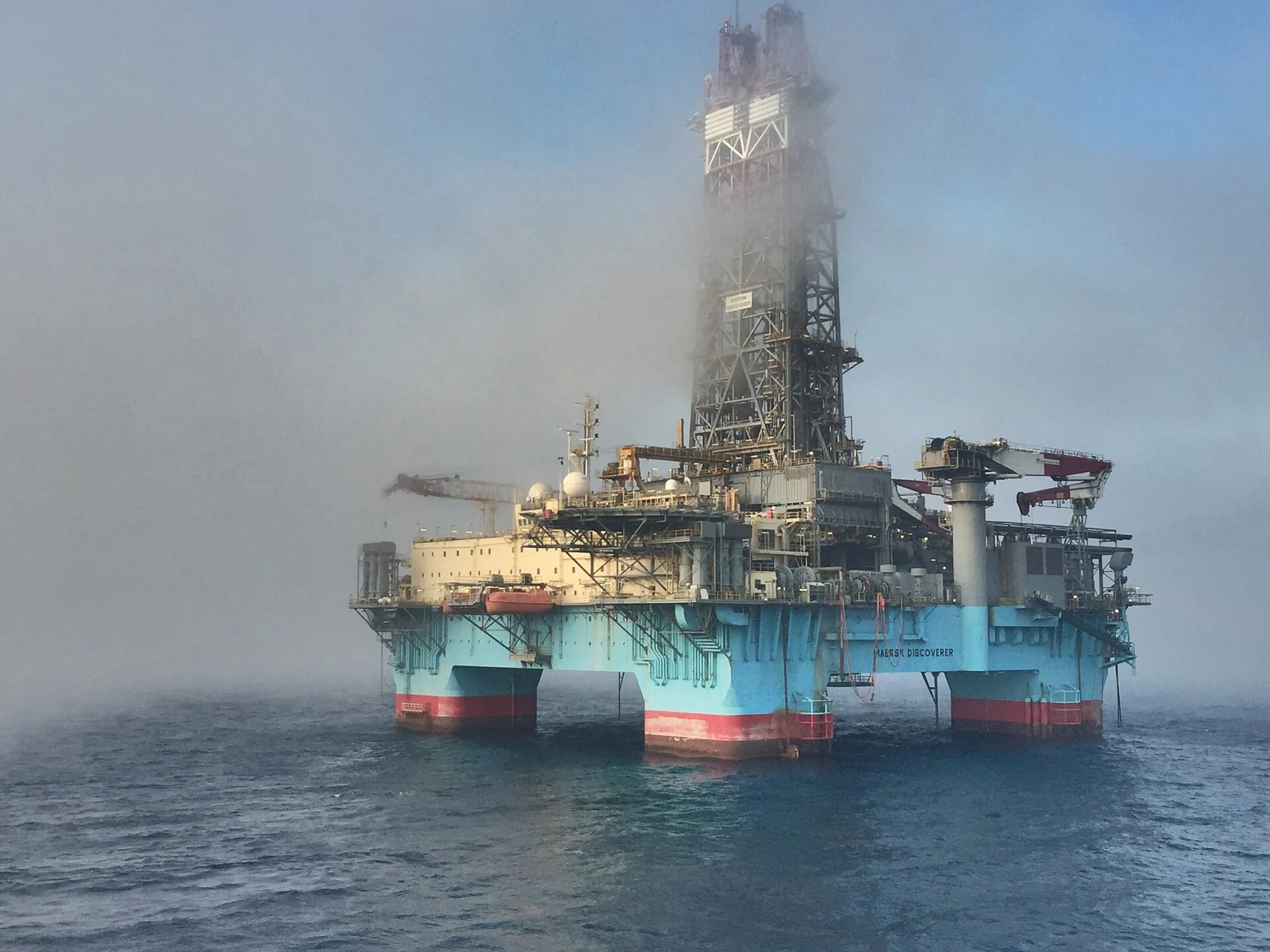
Egypt began producing natural gas from the offshore Mina West field in the Mediterranean on Sunday. Output is expected to reach up to 160 million standard cubic feet a day, adding a new source of domestic supply.
The start of production was announced by the project partners, Shell Egypt and Kuwait Foreign Petroleum Exploration Company (KUFPEC). According to the announcement, the field came on stream three years after it was discovered. The partners approved its development in June 2025.
Mina West lies in the North East El Amriya concession in the Mediterranean Sea. Shell holds a 60 percent stake, while KUFPEC’s Egyptian subsidiary owns the remaining 40 percent.
A new seven-kilometre pipeline connects the field to existing West Delta Deep Marine infrastructure. The gas is carried to the Burullus processing facility and from there enters Egypt’s domestic grid. Shell said the use of existing facilities helped speed up development.
“Bringing Mina West into production just three years after discovery demonstrates what we can achieve when we work towards a shared goal from the outset,” said Dalia Elgabry, Shell Egypt’s vice president and country chair. She credited early coordination with Egypt’s Petroleum Ministry, the Egyptian Natural Gas Holding Company and KUFPEC for accelerating the project.
Background
Egypt is trying to raise domestic natural gas production through more investment, exploration and field development. The aim is to reach about 4.2 billion cubic feet a day by the end of the 2026-2027 fiscal year. The effort is intended to narrow the gap between domestic supply and growing demand and to reduce reliance on imported gas.
Mina West is one part of that push. Its expected peak of 160 million standard cubic feet a day is a small share of the 4.2 billion cubic feet daily target set for the end of the fiscal year, but the output goes straight into the domestic grid.
Why it matters
What stands out is the speed: three years from discovery to production, and less than a year and a half from the development decision to first gas. That was possible because the field could be tied into ready infrastructure and the Burullus plant with a pipeline of only seven kilometres. The approach Shell highlighted suggests that fields close to existing facilities can be brought on line more quickly.
For Egypt, each new field contributes to the goal of closing the gap between supply and demand and cutting imports. That production has started under the Shell and KUFPEC partnership is also a concrete example of the investment and field development work the government is relying on to raise output.
Source: Middle East Monitor · Image: Olav Gjerstad, CC BY 2.0