
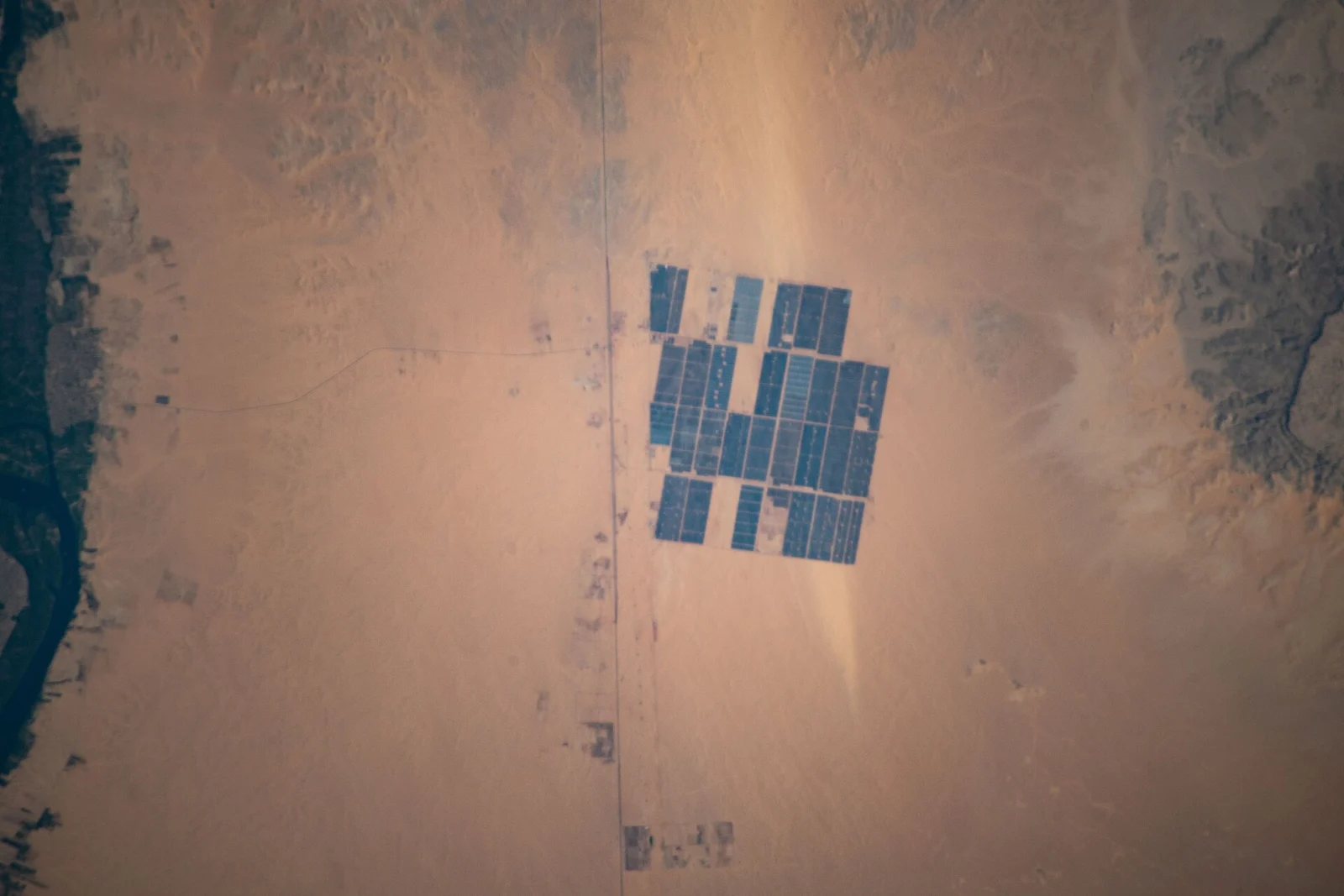
Egypt aims to raise renewable energy’s share of its total electricity generation capacity to 42 percent, Electricity and Renewable Energy Minister Mahmoud Esmat said, adding that the goal will require major upgrades to transmission lines, substations and control centres.
Egypt’s State Information Service (SIS), citing the Middle East News Agency (MENA), said Esmat spoke on Thursday, 19 November, on the sidelines of a meeting organised by the British Egyptian Business Association (BEBA). He said the national grid will be upgraded to take more solar and wind power.
Esmat explained that electricity consumption rises during the day and peaks in the evening, so renewable output has to be balanced against demand. Battery storage, he said, would help by storing renewable power and releasing it to the grid when demand rises. He also called for shifting some consumption to hours when renewable production is high.
The minister said Egypt has already added solar and wind capacity to the grid, with more planned in the coming years. He added that the four reactors of the El Dabaa Nuclear Power Plant will provide a stable supply once fully operational, while upgrades to existing hydropower stations will support the grid.
On Friday, 20 November, Esmat held a videoconference with Ksenia Sukhotina, director general of Rosatom Smart Utilities, a subsidiary of Russia’s state nuclear corporation Rosatom, on an integrated seawater desalination project at El Dabaa. They reviewed local companies shortlisted to work with Rosatom Smart Utilities and how the facility would be integrated into the plant’s infrastructure. Esmat said studies are looking at using salts and minerals extracted during desalination in industry, which could cut the cost of each cubic metre of water.
Background
Egypt has taken several steps to diversify its energy supply, including starting gas production at the Mina West field in the Mediterranean. El Dabaa, being built by Russia, will be the country’s first nuclear power plant.
Why it matters
The minister’s remarks show that the gap between daytime and evening demand is one of the main challenges for Egypt’s grid. As he acknowledged, the renewables target depends on sustained investment in the grid, storage and demand management. The El Dabaa desalination project is an attempt to tackle energy and water scarcity at the same site.
Source: Mısır Devlet Enformasyon Servisi (SIS) – yenilenebilir enerji, Mısır Devlet Enformasyon Servisi (SIS) – Dabaa · Image: Earth Science and Remote Sensing Unit, NASA Johnson Space Center, Public domain