
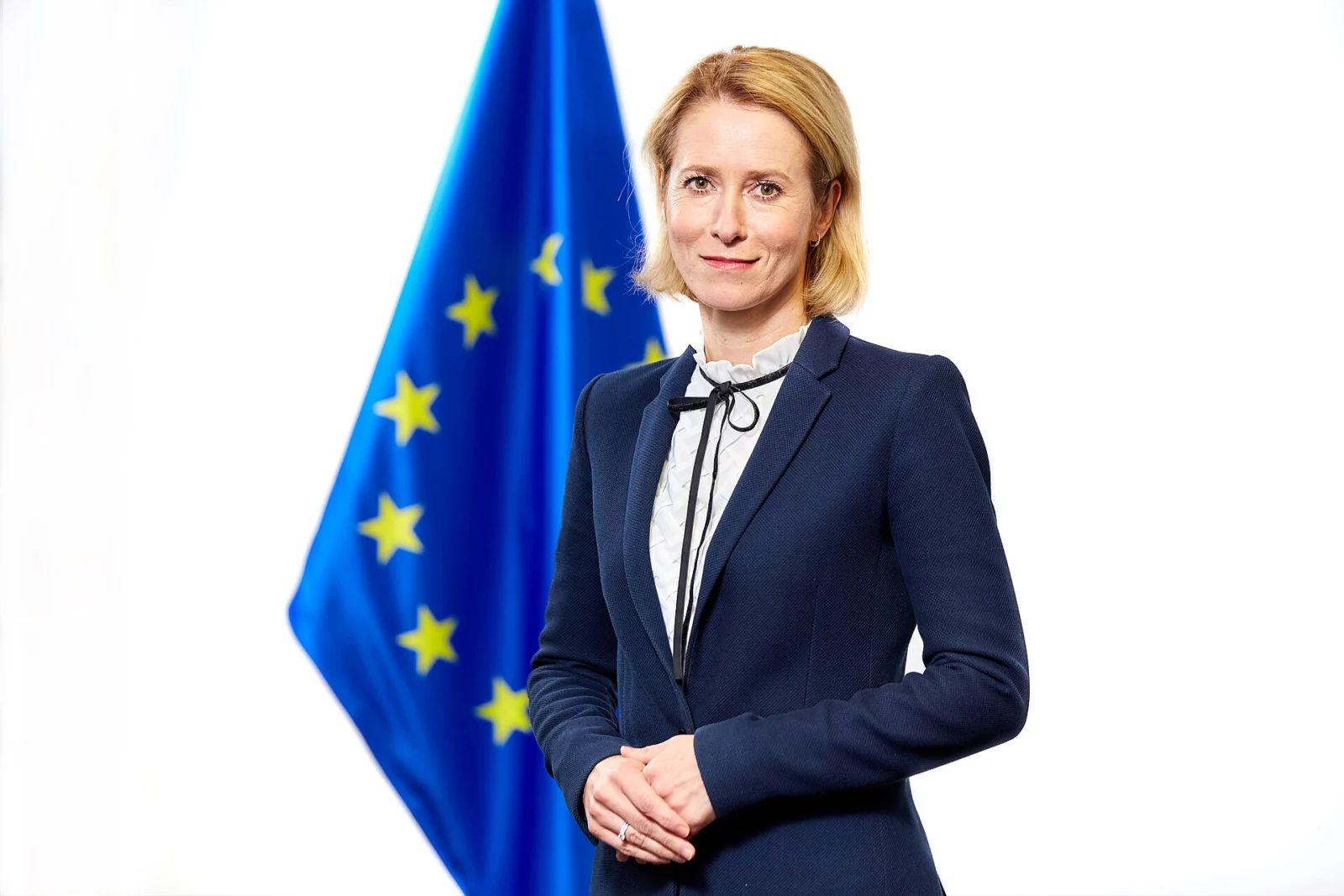
The European Union’s High Representative for Foreign Affairs and Security Policy, Kaja Kallas, has announced that the foreign ministries of the 27 member states have agreed to move forward with the EU-Syria Association Agreement. The agreement was first drafted in 2008.
According to the Qatar News Agency (QNA), reporting from Brussels, Kallas said on Monday, 16 November, that EU countries had emphasised the importance of relations with Syria. She explained the reasoning behind the decision in these words: “if we don’t engage, then this vacuum will be filled by other players”.
The report said the process will proceed in two stages. The 2008 agreement will be finalised first; discussions on modifications to the text will follow. Those discussions will take into account current human rights conditions in Syria and Damascus’ previous support for Russia in its war against Ukraine.
The decision follows the resumption of the Cooperation Agreement between the European Economic Community and the Syrian Arab Republic, signed in 1978. The EU is thus rebuilding the legal framework of its relations with Syria step by step, first by reviving the old accord and now by turning to a more comprehensive association agreement.
QNA recalled that the first EU-Syria High-Level Political Dialogue was held last May. The EU has pledged 620 million euros (718 million US dollars) to support Syria in 2026 and 2027, covering humanitarian aid as well as social and economic recovery.
Background
Nearly two years have passed since the fall of the Assad government, and Syria still faces a severe humanitarian situation. On 16 November, UN Assistant Secretary-General Mohamed Yahya told the UN Security Council that explosive remnants of war had killed 30 people in one month, 19 of them children. The same briefing noted that about four million Syrians had returned home but that needs persisted.
Why it matters
An association agreement is one of the core instruments the EU uses to govern trade and political relations with neighbouring countries. Putting such an agreement with Syria back on the agenda shows that Brussels wants to take its relationship with Damascus beyond aid. Kallas’s remarks, meanwhile, suggest that concern about other powers gaining influence in Syria lies behind the decision. The fact that human rights conditions and Damascus’ past relationship with Russia will be addressed in the talks on modifications indicates that the process will not move ahead unconditionally.
Source: QNA · Image: Aurore Martignoni / European Union, CC BY 4.0