
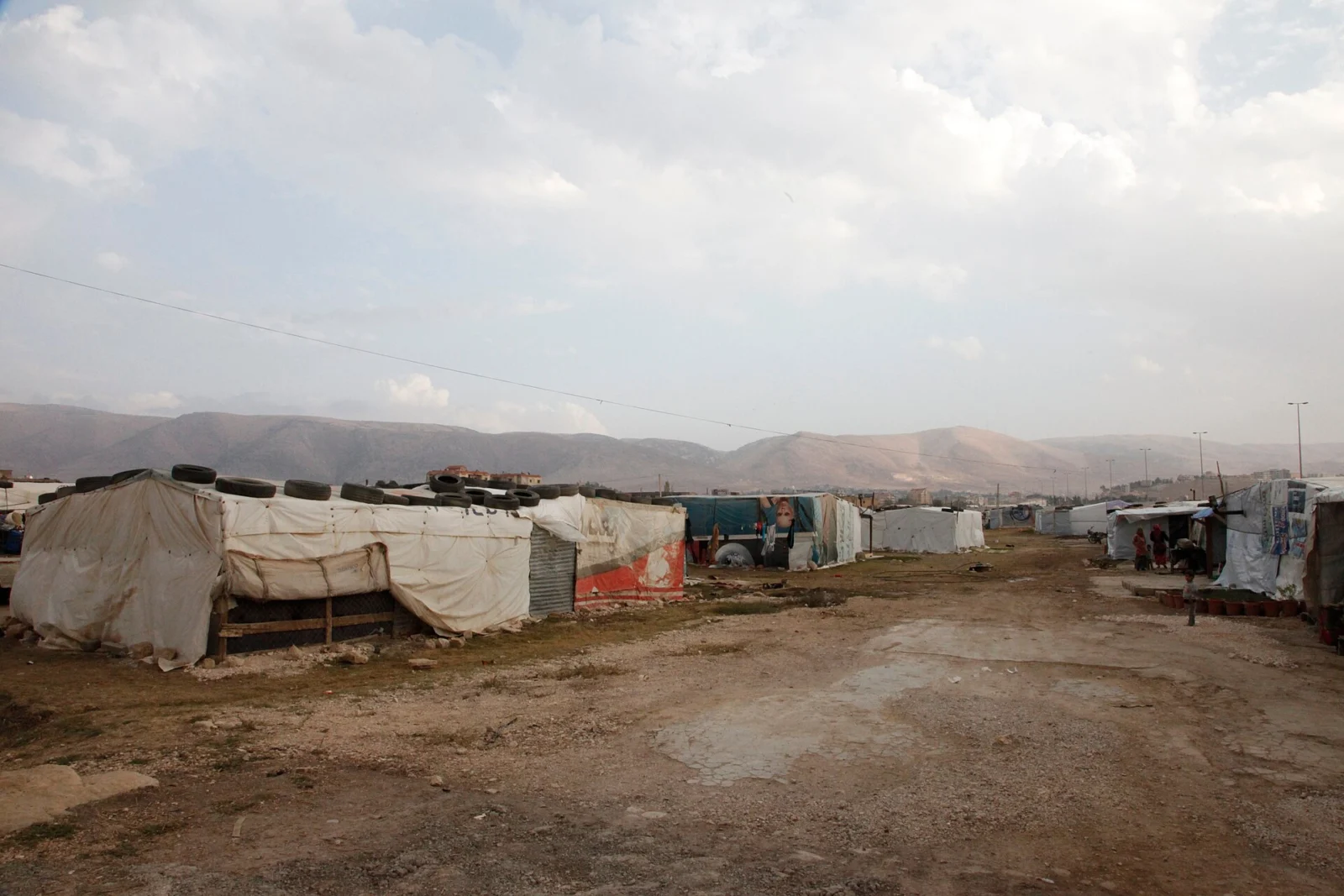
A fire swept through a camp housing Syrian refugees in Lebanon’s eastern Bekaa Valley on Saturday, 14 November. All 59 tents in the camp burned down, leaving about 486 people from 75 families without shelter.
According to Middle East Monitor, which cited witnesses, the blaze broke out at the camp in Bar Elias, a town in the Zahle district. The flames spread across the entire site and no usable tents were left standing.
No injuries were reported. Lebanese authorities had not commented on the cause of the fire, and the report gave no information on where the families who lived in the camp would be housed.
Background
Lebanon has hosted large numbers of Syrian refugees since the conflict in Syria began in 2011. Lebanese authorities estimated the Syrian refugee population at about 1.5 million in January, including nearly 880,000 registered with the UN refugee agency (UNHCR).
The Lebanese government launched a voluntary return programme in June 2025 as part of broader efforts to facilitate the return of Syrians to their country. According to UNHCR’s annual report, more than 500,000 Syrian refugees were confirmed or believed to have returned from Lebanon by the end of 2025. Of those, nearly 240,300 returns were assessed as voluntary.
A significant share of refugees live in informal tented settlements in farming areas such as the Bekaa Valley. The country has also been in the news for other reasons in recent days: on 13 November Lebanon’s state news agency reported that Israel had shelled five towns in the south.
Why it matters
The fire left nearly 500 people without shelter in a single day at the start of winter. The loss of all 59 tents in one blaze shows how exposed closely packed tented settlements are to fire. According to UNHCR figures, fewer than half of the returns from Lebanon were assessed as voluntary. Despite the return programme, hundreds of thousands of Syrians remain in Lebanon, which keeps conditions in the camps a live issue for both the Lebanese authorities and aid organisations.
Source: Middle East Monitor · Image: DFID – UK Department for International Development, CC BY 2.0