
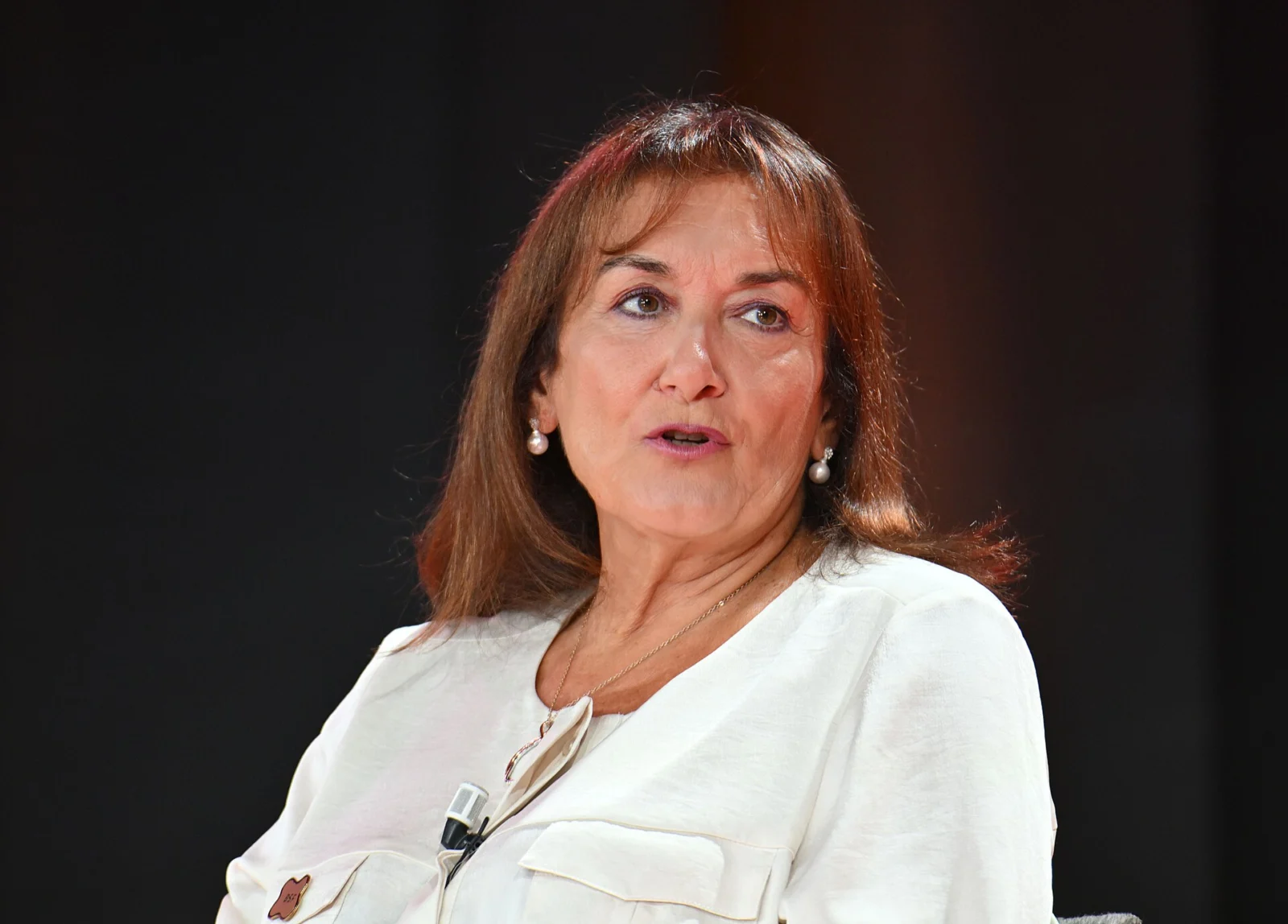
The Syria Partnership Coordination Forum (SPCF), set up to advance Syria’s recovery and reconstruction, convened in Damascus for the first time. At the meeting, co-chaired by Syria and the European Union, EU Commissioner for the Mediterranean Dubravka Šuica launched a technical assistance hub for Syrian institutions, and new EU-funded contracts were signed.
According to the European Commission, the forum brought together EU member states, the G7, Arab countries, the UN and international financial institutions, including the World Bank, the European Investment Bank, the European Bank for Reconstruction and Development and the Islamic Development Bank, as well as civil society. Šuica and Syrian Foreign Minister Assaad al-Shaibani opened the meeting, which focused on Syria’s business environment and on turning the country’s priorities into concrete investment opportunities.
On her second visit to the country, Šuica launched the Syria Technical Assistance Hub, which is meant to strengthen institutional capacity and support reforms needed to restore confidence and attract investment. She also witnessed the signing of new EU-funded contracts on the rule of law, the business environment and support for small and medium-sized enterprises. The Commission said the projects would help businesses access finance, create jobs and improve access to justice.
In a bilateral meeting, al-Shaibani handed Šuica Syria’s signed undertaking to implement the EU’s Registered Exporter system, a step towards preferential access for Syrian products to the EU market under the Generalised Scheme of Preferences. The commissioner also visited the Deir Ali power plant with Syrian Deputy Energy Minister Ibrahim al-Adhan and EIB Vice President Gelsomina Vigliotti.
“A peaceful, stable and inclusive Syria is important for Syrians, to the region and to Europe,” Šuica said, adding that the forum looked at what partners and businesses can do so that people can find jobs, businesses can reopen and services can be restored.
Background
The forum was launched after the fall of the Assad government in December 2024 and the Brussels IX Conference on 17 March 2025. On her first visit to Damascus in June 2025, Šuica announced €175 million in support, and in January 2026 Commission President Ursula von der Leyen announced around €620 million for 2026–2027. In May 2026 the Council fully restored the EU–Syria Cooperation Agreement, and on 16 November EU foreign ministers backed moving ahead with an association agreement. A second Day of Dialogue is planned in Damascus in December.
Why it matters
The forum marks the first attempt to tie reconstruction pledges to concrete projects in Damascus, at the same table as the Syrian government. Trade access and energy infrastructure signal that the EU is moving beyond aid towards deeper economic ties, which will shape whether millions of Syrians decide to return.
Source: Avrupa Komisyonu (ReliefWeb) · Image: Ziga Zivulovic, CC BY 4.0