
Claim The information in this story comes from a media outlet of one of the parties to the conflict (Mehr (İran)) and has not been independently verified.
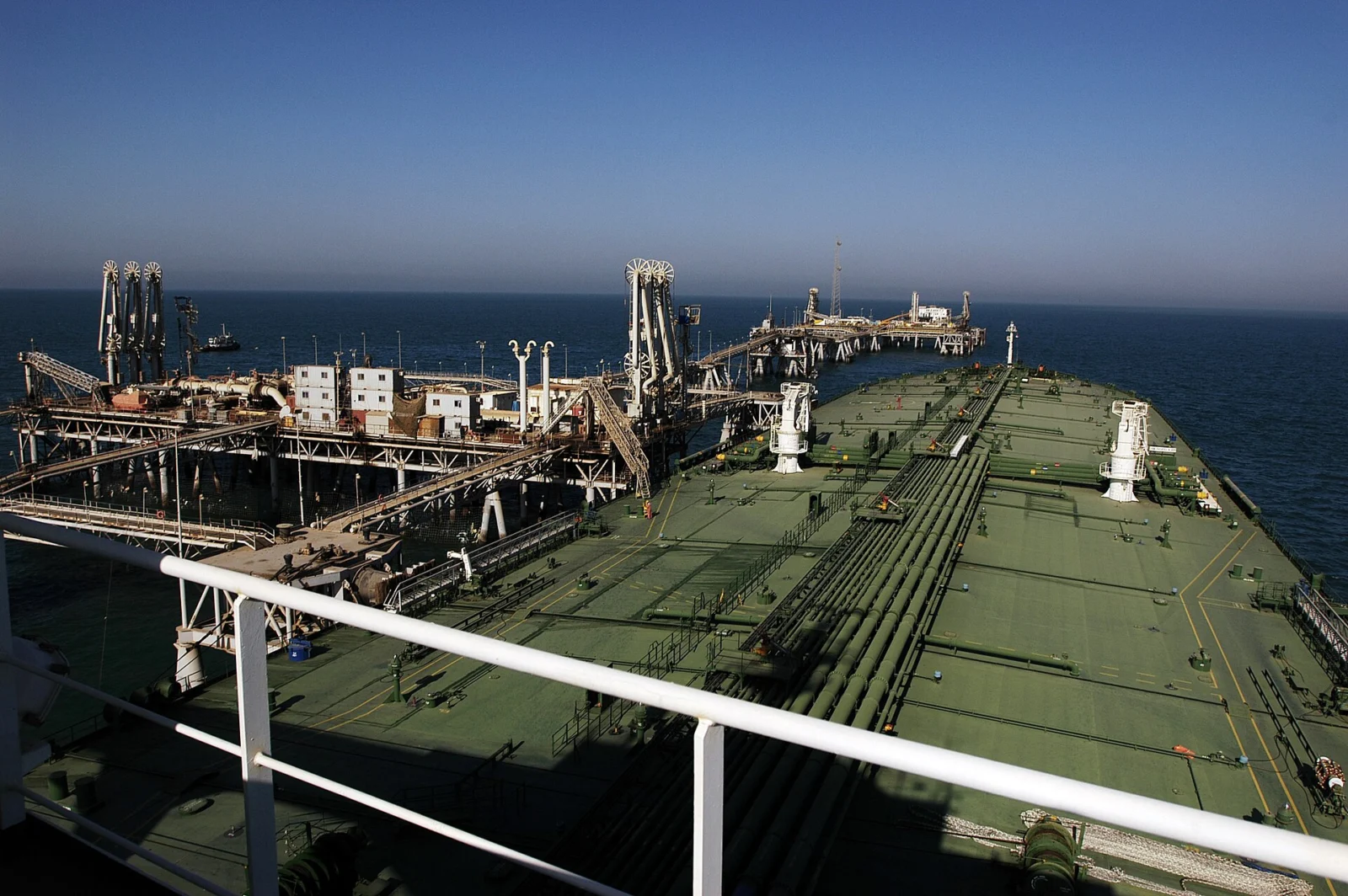
Iran’s regular navy said on Monday, 16 November, that an oil tanker caught fire after striking a naval mine east of the Strait of Hormuz. A day earlier, the Islamic Revolutionary Guard Corps (IRGC) Navy said two tankers had exploded after hitting mines south of the strait and that one of them had sunk. The statements have not been independently confirmed.
According to Iran’s Mehr news agency, the public relations office of the Iranian Navy said on Monday morning that the tanker had been sailing in a “prohibited zone” east of the strait with its navigation systems switched off. The vessel caught fire after hitting the mine, the statement said.
The navy also issued a warning: any “illegal transit” carried out without coordination with Iran’s armed forces and in breach of the rules would end in a mine strike and fire.
IRGC: one tanker sank
On Sunday, 15 November, the IRGC Navy’s public relations office said that in recent hours two oil tankers trying to pass without permission through a banned route south of the Strait of Hormuz had struck naval mines and exploded.
The statement said the tankers had switched off their navigation systems to pass covertly and were burning after a very powerful explosion. One of the tankers sank in the southern part of the Gulf, it added.
Neither statement gave the names or flags of the ships, their cargo or the condition of their crews. Mehr’s reports carried no comment from the ships’ owners or from any other country.
Background
Iran has repeatedly announced in recent days that tankers sailing in zones it has declared off limits in the strait have hit mines. On Thursday, 12 November, the Iranian army said two tankers had caught fire after striking mines east of the strait; that statement did not name the ships or their flags either, and the earlier announcements were also not independently confirmed.
The UN Security Council discussed maritime security in the region on Friday, 13 November, at Bahrain’s request. Gulf states blamed Iran for attacks in the strait, while Iran held the United States and Israel responsible for the instability.
Why it matters
The Strait of Hormuz links the Persian Gulf to the Gulf of Oman, and about a quarter of the oil carried by sea passes through it. Any incident there directly concerns energy markets and commercial shipping.
With these statements Tehran is repeating its message that passage through the strait depends on coordination with its armed forces. Because the incidents cannot be independently verified, the identity of the ships, any casualties and the environmental damage remain unclear.
Source: Mehr (İran), Mehr (İran) · Image: U.S. Navy photo by Photographer's Mate Airman Eben Boothby, Public domain