
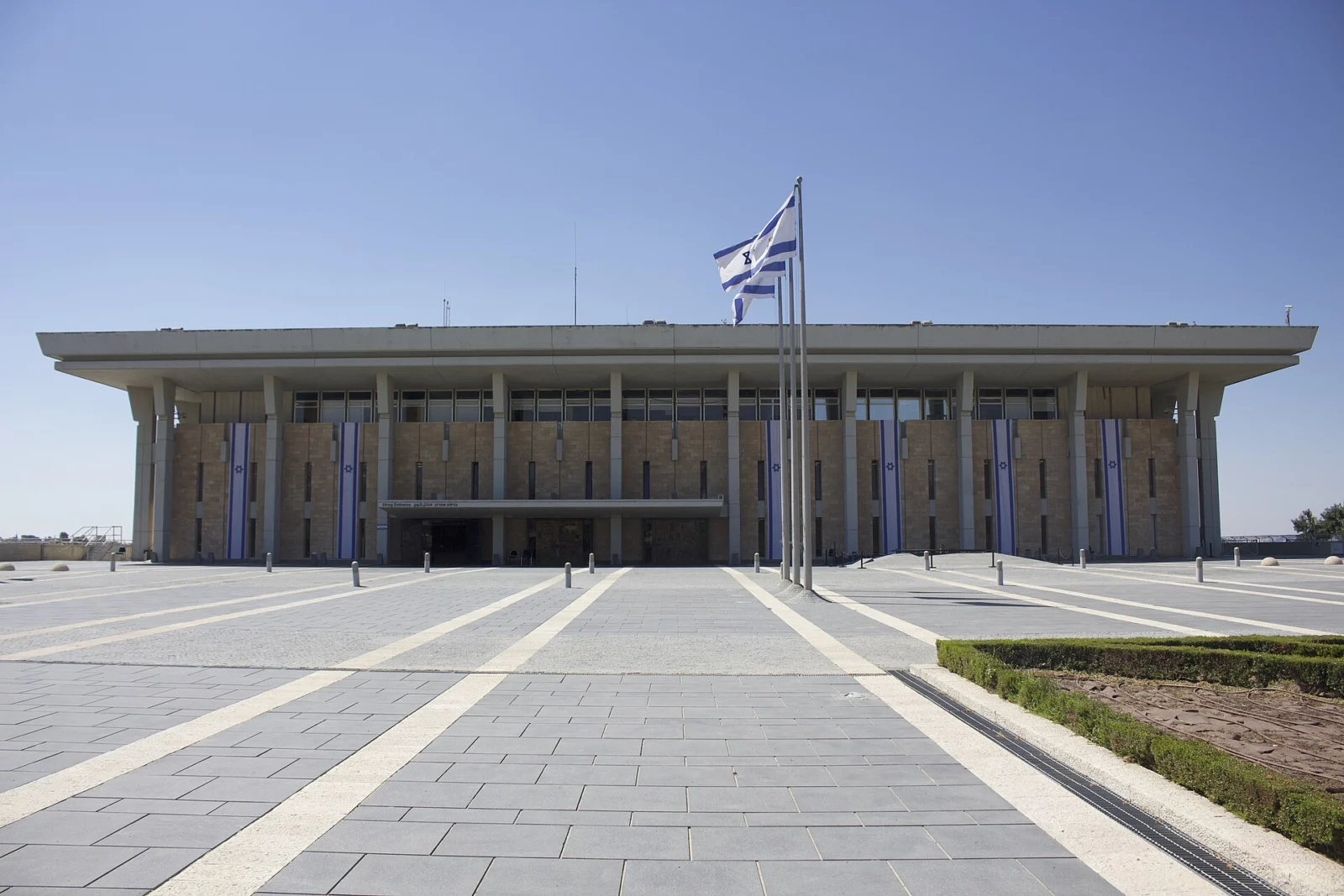
Yousef Jabareen, leader of the Joint List of Arab parties in Israel, has for the first time pointed to informal talks with the Jewish opposition parties in the Knesset and set out his bloc’s core demands. The talks cover issues such as the election of the Knesset speaker and the formation of new parliamentary committees.
According to a written statement issued by the Joint List on Friday, the contacts concern how the party’s lawmakers will vote on the opposition’s proposals. Alongside the speakership, the agenda includes repealing laws the Joint List describes as the “judicial overhaul”. The new Knesset held its opening session on Tuesday; the speaker will be elected next Tuesday.
The statement says Jabareen’s main demands include repealing the Kaminitz Law, which makes house demolitions easier, drawing up a comprehensive plan to combat violence and crime, and a five-year economic plan for the development of Arab towns. The economic plan should focus on the urgent needs of the Arab community, allocate the necessary development budgets and strengthen the capacity of Arab local authorities. New job opportunities, industrial zones and housing projects for young couples are also among the demands.
The Joint List also wants a new parliamentary committee, under its own chairmanship, to deal with the economic and social development of the Arab community. Its tasks would include monitoring the implementation of government plans.
The seat arithmetic
The statement said Jabareen’s remarks came as the Jewish opposition known as the “change bloc” seeks to control the Knesset and its committees, for which it needs the votes of Joint List lawmakers. The change bloc has 48 members in the 120-seat Knesset. The Joint List holds 11 seats and the United Arab List, led by Mansour Abbas, holds eight. Arab citizens make up about 20 percent of Israel’s population of more than 10 million.
Background
After the 27 October election, in which Netanyahu’s bloc failed to secure a majority, President Isaac Herzog on 8 November tasked Gadi Eisenkot, leader of the Yashar party, with forming a government. Eisenkot has 28 days, until 6 December, to do so; the period can be extended by 14 days. In the meantime Netanyahu continues to run the country in a caretaker capacity. Eisenkot, a former military chief of staff, emerged during the campaign as Netanyahu’s strongest rival. Avigdor Lieberman is also preparing to take over as chairman of the Knesset Foreign Affairs and Defence Committee.
Why it matters
The distribution of seats shows that the Arab parties have reached a position where they can tip the balance in the Knesset. The opposition’s ability to win the speakership and dominate the committees depends on Joint List votes. The role the Arab parties play in forming the government could shape the make-up of the new cabinet and its policies towards Arab citizens.
Source: Middle East Monitor · Image: Clema12, CC BY-SA 4.0