
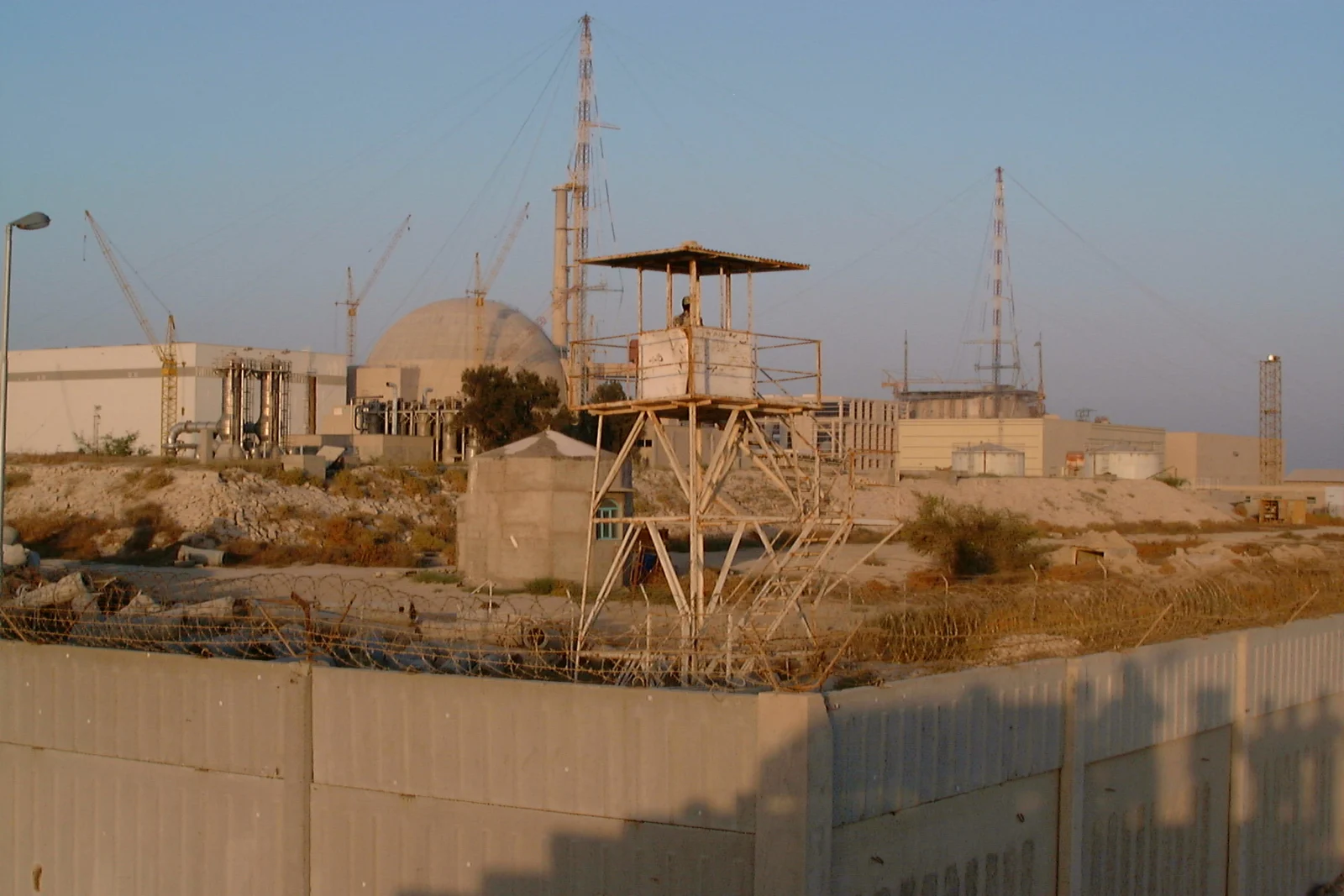
Alexey Likhachev, head of Russia’s state nuclear energy corporation Rosatom, said the number of Russian personnel working at Iran’s Bushehr Nuclear Power Plant will soon be raised from 180 to 300. He said new nuclear plant projects in Iran depend on the country’s military, political and economic conditions.
According to Iran’s Mehr News Agency, citing Russia’s RIA Novosti, Likhachev said the company’s activities aimed at building new large and small nuclear plants in Iran would be shaped by those conditions. The Rosatom chief said 180 of the company’s employees are currently working at the Bushehr site and that the number is planned to rise to 300 in the near future.
In the same remarks Likhachev also referred to the Akkuyu Nuclear Power Plant in Türkiye. According to him, fuel loading at the plant’s first unit is expected in December, and the first electricity it generates is expected to be supplied to Türkiye’s grid in January or February.
The Rosatom chief also said up to 40 icebreakers and specially equipped ice-class vessels are needed to develop the Northern Sea Route, and that orders for the first group of ships will be placed with Russian shipyards.
Background
Bushehr is Iran’s only operating nuclear power plant and was completed with Russian support. It is located in Bushehr province on the coast of the Gulf; the province has seen air defence activity throughout the war. In May, Iranian state television announced that air defence systems had been activated in Bushehr and that a US drone had been neutralised.
Iran’s nuclear programme is at the centre of the ongoing war with the US. Washington describes the aim of the war as preventing Iran from acquiring a nuclear weapon, while Tehran maintains that its programme is peaceful.
Why it matters
Increasing the number of Russian staff shows Moscow’s intention to continue civil nuclear cooperation in Iran despite wartime conditions. Likhachev’s linking of new projects to “conditions” suggests Rosatom is taking the region’s security risk into account. The Akkuyu timetable matters separately for Türkiye: supplying the first electricity to the grid in January or February would mean the country’s first nuclear power plant has begun production.
Source: Mehr · Image: Paolo Contri/ IAEA Imagebank, CC BY-SA 2.0