
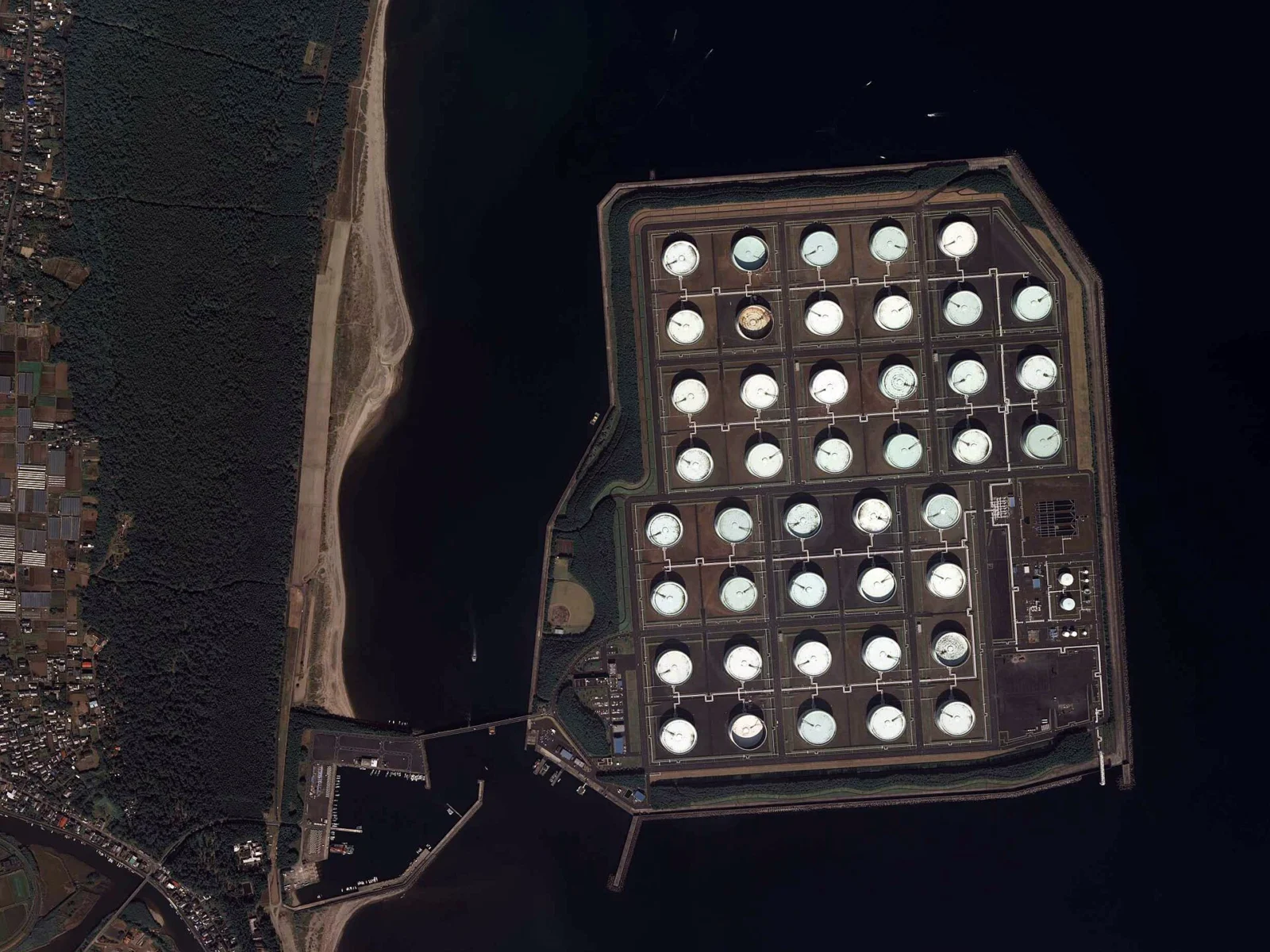
Japan has agreed to buy up to 8 million barrels of Saudi crude for its national petroleum reserve if market conditions are favourable, the two countries said on Friday. The deal also expands the oil storage capacity available to Saudi Arabia in Japan.
According to Middle East Monitor, citing a joint statement carried by the Saudi Press Agency (SPA), the kingdom, which already has access to 8 million barrels of storage capacity in Japan, will gain temporary use of storage for another 16 million barrels. The statement said Saudi Arabia has already begun replenishing crude stocks at storage facilities in Japan.
The agreement was reached during a virtual meeting between Saudi Energy Minister Prince Abdulaziz bin Salman and Japan’s Economy, Trade and Industry Minister Ryosei Akazawa. The two ministers reaffirmed their commitment to cooperation on long-term energy security.
Saudi Aramco Chief Executive Amin Nasser said last month that the kingdom had held talks with foreign governments about giving the state oil company access to their strategic storage facilities.
Background
Japan was among the oil importers that drew on emergency reserves when the US-Iran war disrupted shipments through the Strait of Hormuz. Oil flows from Gulf producers have since recovered to near pre-war levels, giving buyers an opportunity to rebuild depleted stockpiles.
The Strait of Hormuz is one of the main sea routes carrying Gulf oil to world markets. Shipping through the strait has remained one of the most closely watched issues in the region because of attacks and the blockade during and after the war.
Why it matters
For Saudi Arabia, storing crude in Japan puts supplies closer to its Asian customers and keeps them available if shipping through Hormuz is disrupted again. Japan, for its part, is rebuilding a strategic reserve drained during the war with a reliable supplier. The deal shows Gulf producers and Asian buyers looking for joint safeguards against Hormuz risk, and suggests similar storage arrangements could spread to other countries.
Source: Middle East Monitor · Image: 国土地理院 ( Geospatial Information Authority of Japan ), CC BY 4.0