
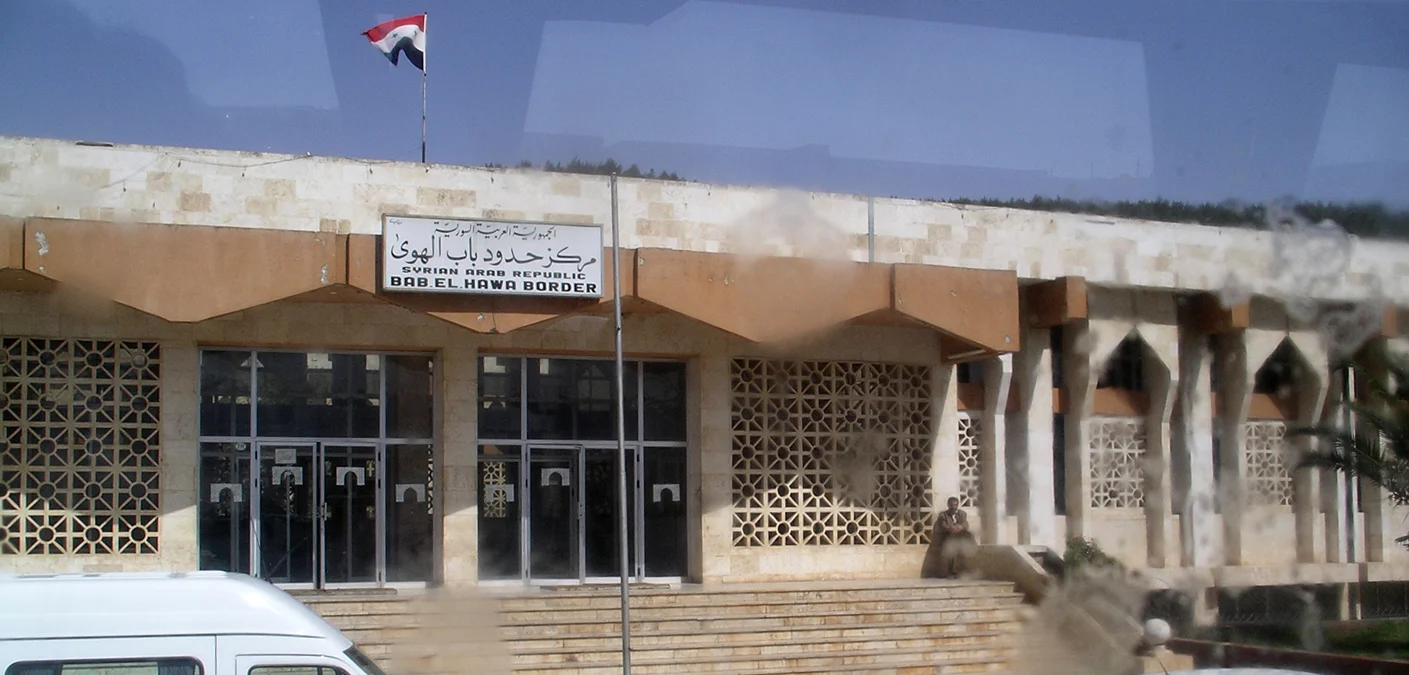
An estimated 1,852,240 Syrians have returned home from abroad since the fall of Bashar al-Assad’s government on 8 December 2024, the UN refugee agency UNHCR said. A second UNHCR dashboard dated 19 November shows that around 2,107,842 internally displaced people returned over the same period.
UNHCR’s overview of refugee returns to Syria covers Egypt, Iraq, Jordan, Lebanon and Türkiye. The agency said the estimate was calculated by triangulating several data sources, including population-movement reporting and border-monitoring data. According to the dashboard, returns through border crossings make up the majority of the movements observed.
Taken together, the two dashboards put the number of people who have returned home from abroad and from within the country since Assad’s fall at more than 3.9 million. Displacement, however, remains widespread. UNHCR says an estimated 5.54 million people are still internally displaced in Syria. About 76% of them live outside displacement sites, while 24% are hosted in formal sites.
The agency flagged the refugee return figure as an estimate. The figure for returns inside the country covers the period from December 2024 to 19 November 2026. Both dashboards were released as infographics published by UNHCR on ReliefWeb.
Background
On 16 November the UN’s deputy special envoy for Syria, Claudio Cordone, told the Security Council that rebuilding Syria’s damaged physical assets would cost $216 billion, according to a World Bank estimate, and called for more international support for economic recovery. In the same briefing he said more than 100 Kurdish families trying to return to Tal Abyad in late October had reportedly faced violence and intimidation. At the same session, UN humanitarian official Muhammad Yahya said explosive remnants had killed 30 people, 19 of them children, in a single month.
Why it matters
The figures show that a significant share of Syrians have begun going home since Assad’s fall, which matters directly for countries hosting Syrian refugees such as Türkiye, Lebanon and Jordan. At the same time, the 5.54 million people still displaced inside Syria point to how hard it will be to make returns last without solving destroyed housing, explosive remnants and security problems.
Source: BMMYK (ReliefWeb), BMMYK (ReliefWeb) · Image: Patrickneil, CC BY 3.0