
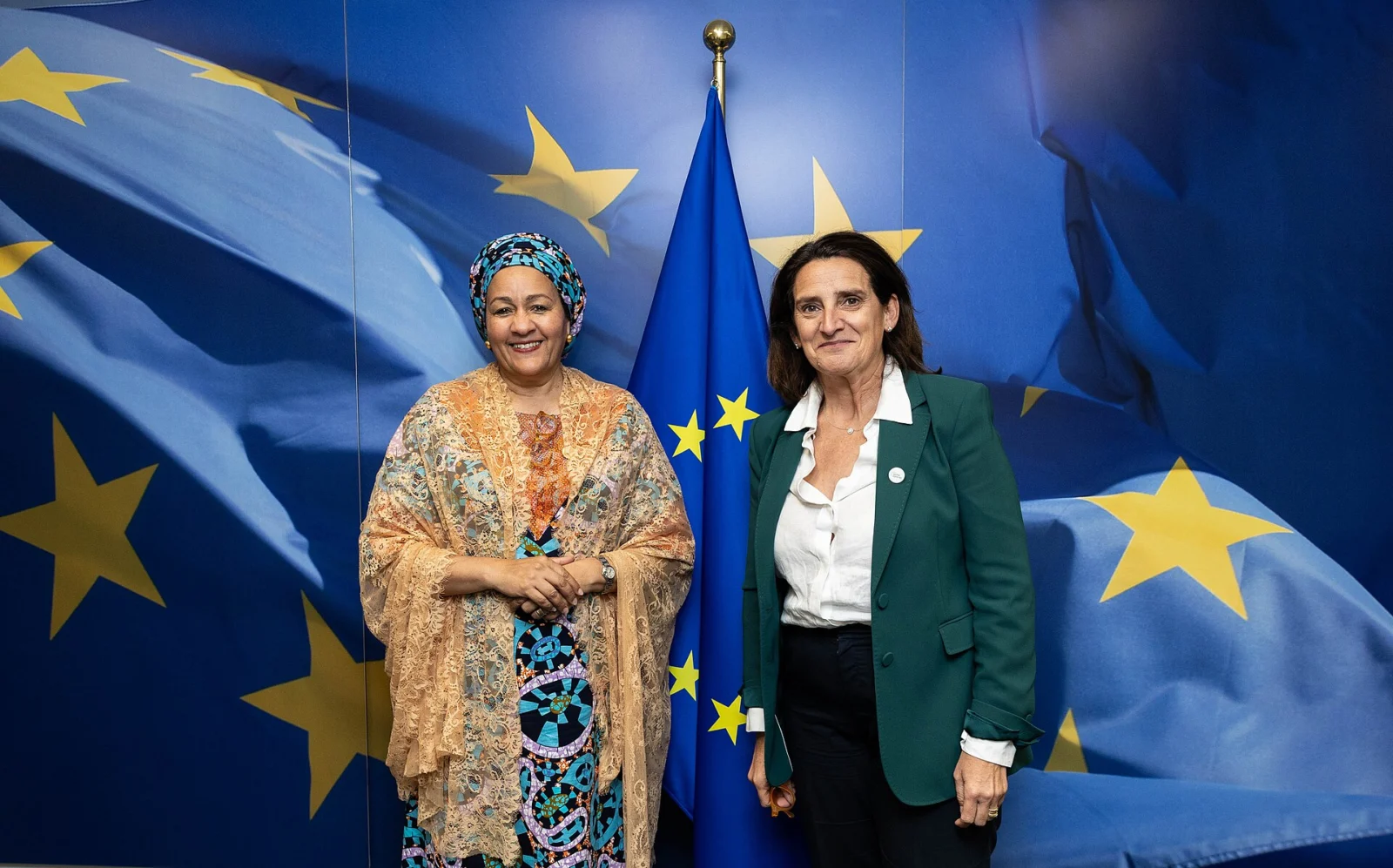
UN Deputy Secretary-General Amina Mohammed said during a weekend visit to Lebanon that mental health support must be a core part of the humanitarian response. According to the UN, Lebanon’s efforts to address the psychological toll of years of conflict and instability offer lessons for other crisis-affected countries.
“What I heard in Lebanon is a powerful reminder that the impact of conflict does not end with the physical destruction we can see,” Mohammed said, UN News reported on 16 November. “The effects on people’s mental health, families and communities can endure long after.” The UN notes that Lebanon is facing mass displacement and acute food shortages as Israeli strikes continue, particularly in the south.
Despite growing needs, Lebanon has increasingly integrated mental health support into its public healthcare system. The country’s National Mental Health Programme has developed a strategy to make mental health and psychosocial support an integral part of healthcare services. At the primary health centre in Beirut’s Chiyah district, for instance, routine health checks include mental health screenings and support. Lebanon has also recently made its national suicide prevention and emotional support hotline, Lifeline 1564, toll-free.
“Lebanon clearly has the expertise, integrated systems and proven models; what it urgently needs is more investment to bring mental health well-being services to more people and communities and ensure its long-term sustainability,” Mohammed said.
Visits to Tyre and Naqoura
In the southern city of Tyre, the Deputy Secretary-General met mental health professionals and patients and heard how local teams are working to keep care uninterrupted despite difficult conditions. “I was deeply moved and inspired by their courage, especially women, and how they lean into each other’s kindness to build strength,” she said. In Naqoura, also in the south, she met personnel of the UN peacekeeping mission in Lebanon, UNIFIL, and thanked staff for their contributions and sacrifices as the mission’s mandate comes to an end.
Background
Lebanon’s work is part of a broader UN push to make mental health support central to humanitarian responses worldwide. According to UN figures, more than 300 million people needed humanitarian assistance and protection globally in 2024, including an estimated 66 million experiencing adverse mental health conditions. Services nonetheless remain severely underfunded. To help close the gap, the UN launched the Greentree Acceleration Plan, backed by $13.2 million in initial funding from Wellcome, an independent charitable healthcare foundation. The initiative, being rolled out first in Lebanon and Chad, aims to strengthen locally led mental health services, expand access to proven treatments and improve psychological support for humanitarian workers.
Why it matters
In conflict zones, aid is mostly measured in food, shelter and emergency medical care, while mental health services, according to the UN, remain severely underfunded, leaving millions without adequate care. The Lebanese example shows that such care can be delivered inside the primary healthcare system rather than as a separate project. In the words of Annemarie Hou, Executive Director of the UN Office for Partnerships, which runs the plan: “People affected by crisis need more than survival. They need the support and dignity that allow them to recover, reconnect and rebuild their lives.”
Source: BM Haberler · Image: Europäische Kommission – Audiovisueller Dienst, Jennifer Jacquemart, Yügen, CE – Service a, CC BY 4.0