
At least 2,230 civilians were killed in Sudan between January and October 2026, more than 1,630 of them in drone strikes, the UN Human Rights Office said on Tuesday, adding that the real toll is “likely higher” than the confirmed figures.
The office’s new report, which covers the first half of the year, documented at least 1,390 civilian deaths, more than 80 percent of them caused by drone attacks. Another 840 civilians were killed between July and October.
Kordofan accounted for more than two-thirds of the civilian casualties recorded during the period, followed by Darfur. Between January and June, the office recorded at least 39 drone strikes on markets, 20 on civilian vehicles, 17 on fuel facilities and 16 on health facilities.
The report also pointed to 29 drone strikes between 20 October and 4 November on electricity and fuel facilities in 11 states. The office attributed these strikes to the paramilitary Rapid Support Forces (RSF), saying they disrupted essential services for millions of people.
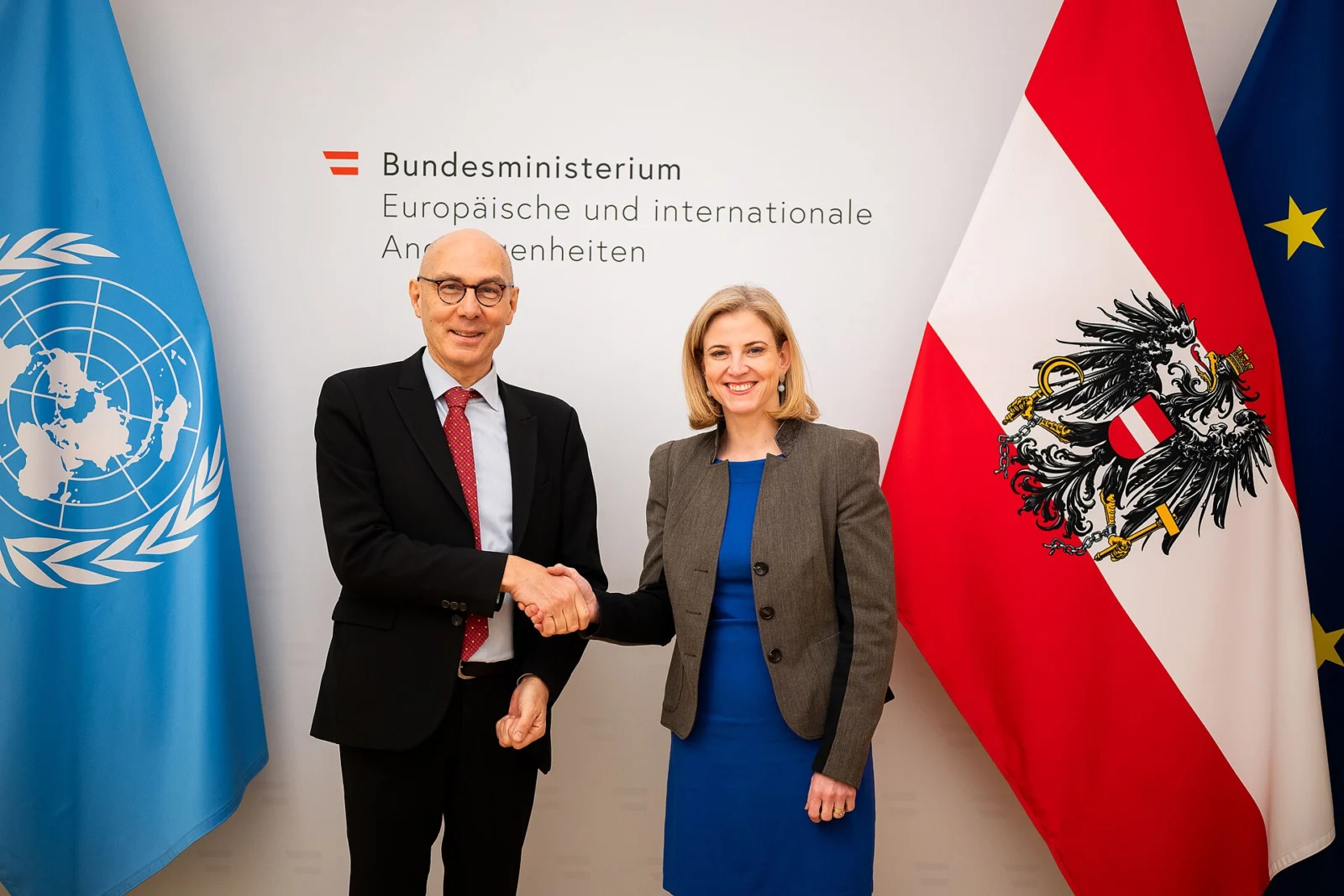
“The findings in our report provide more evidence, if any were needed, of the ceaselessly unbearable civilian suffering of the war in Sudan and the warring parties’ continued and brazen disregard for the laws of war,” UN High Commissioner for Human Rights Volker Türk said. He warned that the violations documented could amount to war crimes.
Background
Sudan’s army and the RSF have been at war since April 2023. In recent weeks the fighting has shifted towards Kordofan, where the army says it has retaken several areas from the RSF in West and North Kordofan. The International Organization for Migration (IOM) said this week that more than 382,000 people had been displaced from Kordofan’s three states over the past year. Last week, international aid groups working in Sudan reported that drone strikes had killed at least 300 civilians in the first three weeks of October.
Why it matters
The report puts numbers to the central role drones now play in civilian deaths in Sudan’s war. Strikes on markets, health facilities and energy infrastructure also cut off electricity, fuel and healthcare for millions of people living far from the front lines. The UN’s warning that the violations could amount to war crimes creates a record that may matter for any future accountability process.
Source: Middle East Monitor · Image: Bundesministerium für europäische und internationale Angelegenheiten, CC BY 4.0