
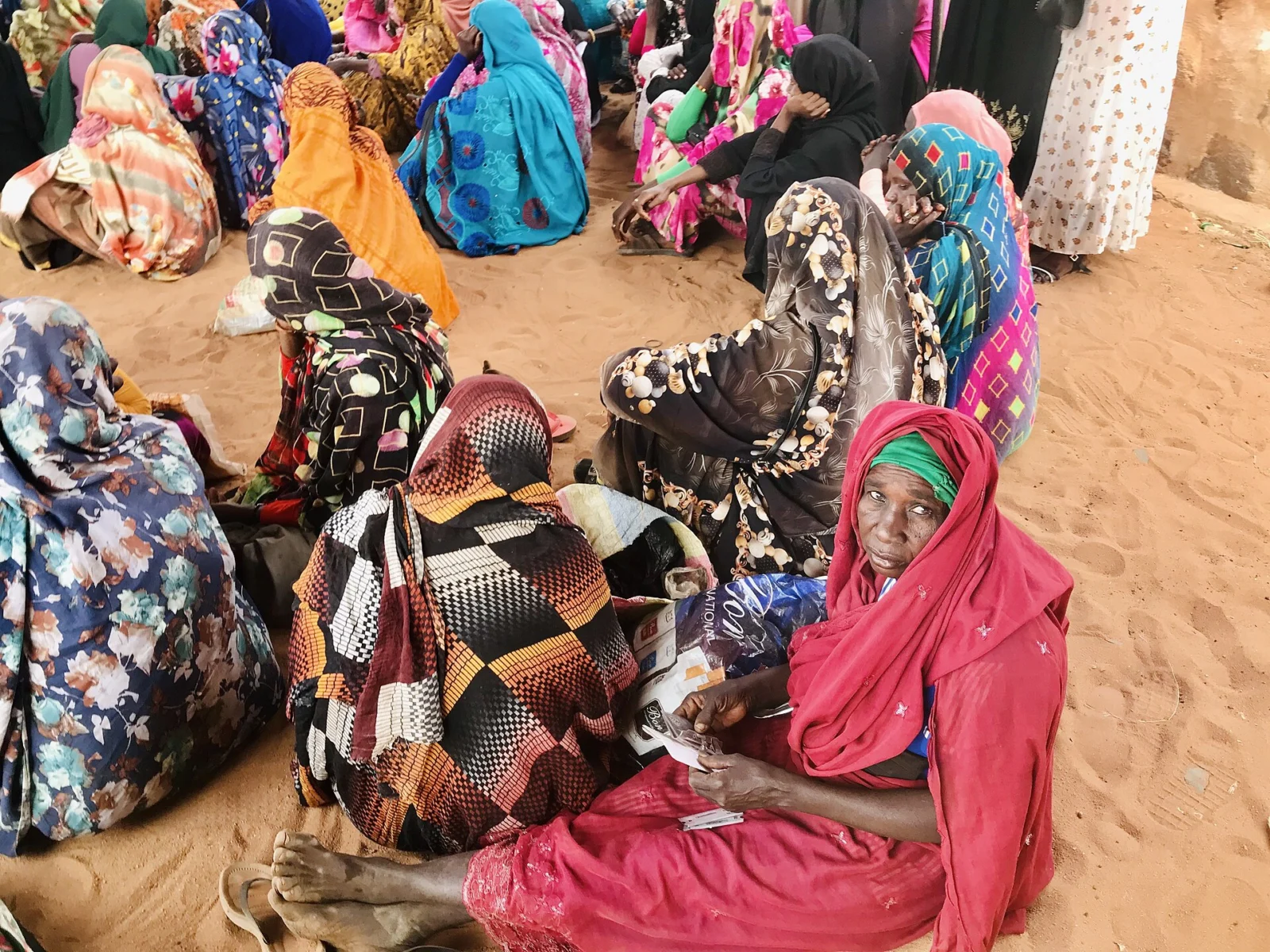
The UN World Food Programme (WFP) assisted 3.4 million people in Sudan in October, including 795,000 people in areas at risk of famine, according to its November country brief. The agency said funding constraints remain the primary obstacle to its operations.
WFP distributed 17,000 tonnes of food in October and provided $11.1 million in cash-based transfers. It reached 1.4 million people with general food assistance and provided nutrition support to 280,000 children and pregnant and breastfeeding women and girls. School feeding activities reached 200,000 students, and 18,000 people benefited from resilience and livelihoods programmes. The brief groups the agency’s October work under four headings: general food assistance, nutrition support, school feeding and livelihoods.
The agency said it made significant gains in October in reaching previously difficult-to-access areas, delivering in-kind food assistance to 170,000 people in East Darfur and 48,000 in West Kordofan. The agency described this access as one of the month’s main gains.
Beyond funding, WFP said administrative approvals and logistics constraints continued to impede its work. Fuel shortages and power disruptions in October also affected transport, silo operations, agricultural activities and programme delivery.
Background
Sudan has faced one of the world’s most severe humanitarian crises since war broke out between the Sudanese Armed Forces and the Rapid Support Forces (RSF) in April 2023. During a visit to the country last week, WFP Executive Director Luke J. Lindberg called for an end to the fighting and described how resource shortages had forced the agency to scale back assistance. The toll of drone strikes on civilians has also featured prominently in recent reports by aid organisations.
Why it matters
Reaching 795,000 people in famine-risk areas and gaining access to East Darfur and West Kordofan marks limited but real progress on the ground. But as long as funding gaps, fuel shortages and permit problems persist, that progress will be hard to sustain. In a country where millions depend on food aid, any disruption can quickly deepen hunger.
Source: ReliefWeb / WFP · Image: Tanzil Abdallah Adam Eissa, CC0