
An investigation broadcast late on Wednesday by Israel’s public broadcaster KAN claims that Prime Minister Benjamin Netanyahu and his Likud party drew up a plan ahead of the 27 October election to accuse Arab citizens of Israel of manipulating the results. Netanyahu’s office rejected allegations that its officials orchestrated the affair.
According to Middle East Monitor, the investigation says the plan was organised from Netanyahu’s office and extended to thousands of Likud representatives deployed at polling stations. KAN reported that the party prepared for a possible defeat by launching a campaign weeks before the vote, aimed at holding Arab voters responsible for such an outcome.
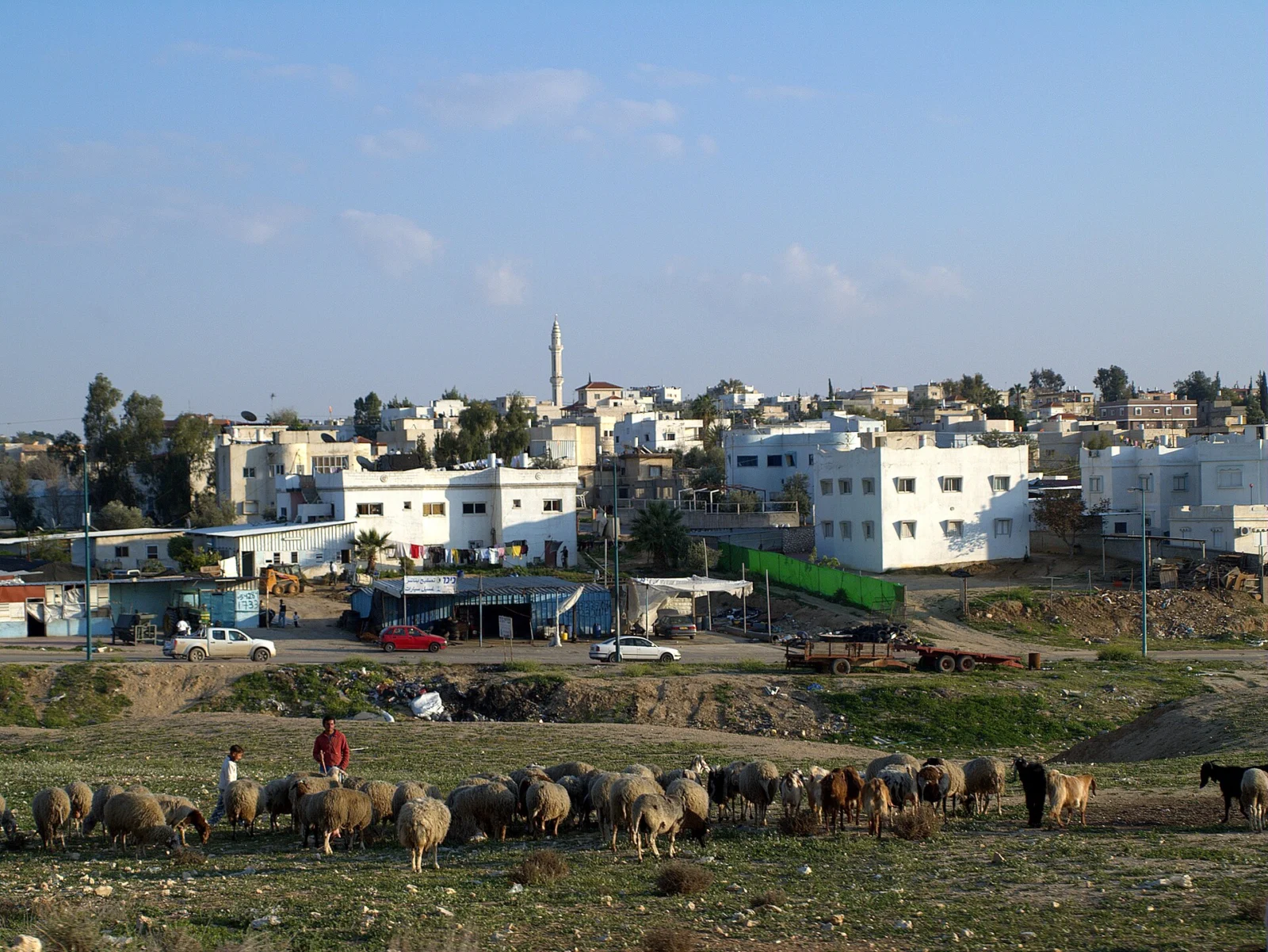
The investigation said the “Arabs stole the elections” campaign was not the first effort to target Arab citizens. It said Likud filed around 1,280 complaints on election day alleging that Arab voters had been offered money and shopping vouchers in exchange for their votes. The programme also featured testimonies from residents of the southern Negev city of Rahat who were summoned for questioning on suspicion of influencing the vote and distributing money. One said police asked him why he wanted to vote for the United Arab List and told him he was suspected of handing out money; he said he knew nothing about the allegations.
The vote-buying and manipulation claims sparked political and legal controversy in Israel, but the Central Elections Committee has not announced any evidence of irregularities that affected the final results.
Background
In the 27 October general election, Netanyahu’s bloc won 53 of the Knesset’s 120 seats, the opposition bloc led by Gadi Eisenkot took 48 and Arab parties won 19. Eisenkot secured the backing of more lawmakers and was tasked with forming a government on 8 November. According to the Central Elections Committee, turnout among Arab voters reached 80 percent, while overall turnout stood at 77.7 percent, the highest since 1999. Arabs make up 21 percent of Israel’s population of more than 10 million. Last week Eisenkot described Netanyahu as a “concrete, direct and imminent threat” to democracy and said election day would be investigated.
Why it matters
The investigation could reignite the dispute over election day as a new government is being formed. With Arab turnout reaching 80 percent in an election with the highest overall participation since 1999, the claim that a campaign blaming Arab voters for fraud was planned in advance bears directly on trust between Arab citizens and state institutions. Netanyahu is also on trial on corruption charges that could lead to prison if he is convicted, and he has been wanted by the International Criminal Court since 2024 over alleged war crimes in Gaza since 2023.
Source: Middle East Monitor · Image: David Shankbone, CC BY 3.0