
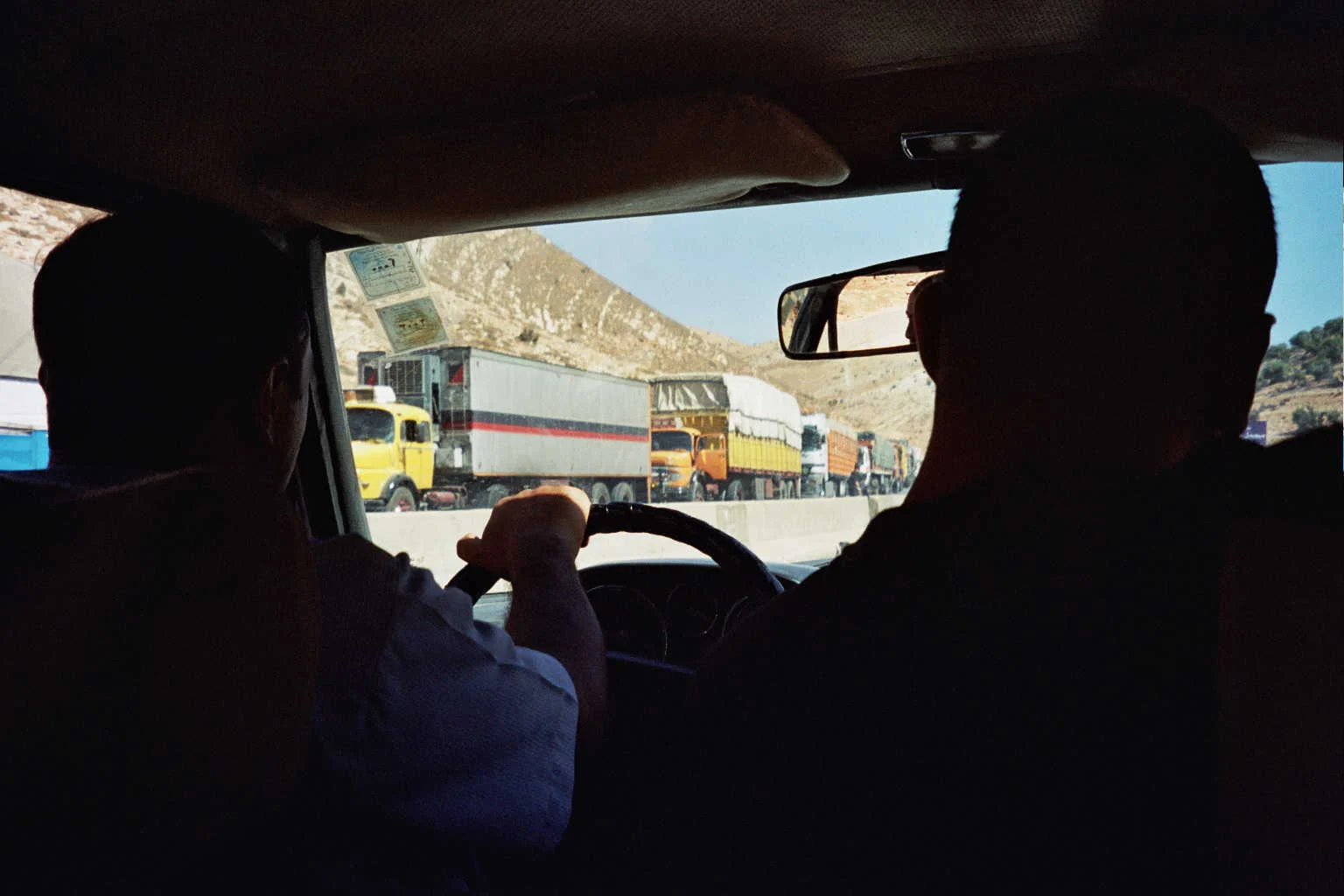
Cross-border movements into Syria reached a total of 1,021,966 as of 16 November, the International Organization for Migration (IOM) said in its latest report on the regional escalation, while 304,520 people remain internally displaced in Lebanon.
The report, covering 3 to 16 November, says the escalation in the Middle East and beyond triggered a humanitarian crisis across several regions in an already fragile context. IOM said a resurgence of hostilities in recent weeks was straining humanitarian access and civilian services, and that population movements across the region remained uncertain.
In Lebanon, 304,520 people were recorded as internally displaced across 528 cadasters as of 28 October, an 8 per cent drop from the previous period. Returns are continuing, with 964,689 displaced people back home as of 29 September, up 10 per cent from the previous round. Data on movements into Syria were compiled by IOM’s tracking unit in Syria with border authorities, the Iraq Border Point Commission and Pakistani authorities.
In Yemen, displacement rose sharply after fighting escalated on the west coast in early September. IOM recorded about 354,335 people displaced between 7 June and 16 November, most of them sheltering in Taiz and Lahj governorates, and 4,336 Yemenis had arrived in Djibouti by 18 November fleeing the deteriorating security situation. In Iran, recurring escalations continue to disrupt basic services and infrastructure, and restrictions on sea and air transport have affected movement and aid access, but population movements remain localised, temporary and economically driven, with no signs of mass displacement.
Background
The regional escalation began on 28 February 2026. The United States and Iran agreed a memorandum of understanding on a cessation of hostilities on 17 June, but fighting has intensified again in recent weeks. Since the escalation in Lebanon began on 2 March, the World Food Programme has reached about 1.1 million people there, and UNHCR says around 1.85 million refugees have returned to Syria since the fall of the Assad government on 8 December 2024.
Why it matters
The figures show that the conflict’s impact is not confined to one country, driving movements from Lebanon into Syria and from Yemen to the Horn of Africa. More than a million crossings into Syria, where reconstruction has barely begun, add pressure on housing, jobs and basic services, while rising returns in Lebanon are a positive sign even as hundreds of thousands remain away from home.
Source: IOM (ReliefWeb) · Image: upyernoz from Haverford, USA, CC BY 2.0