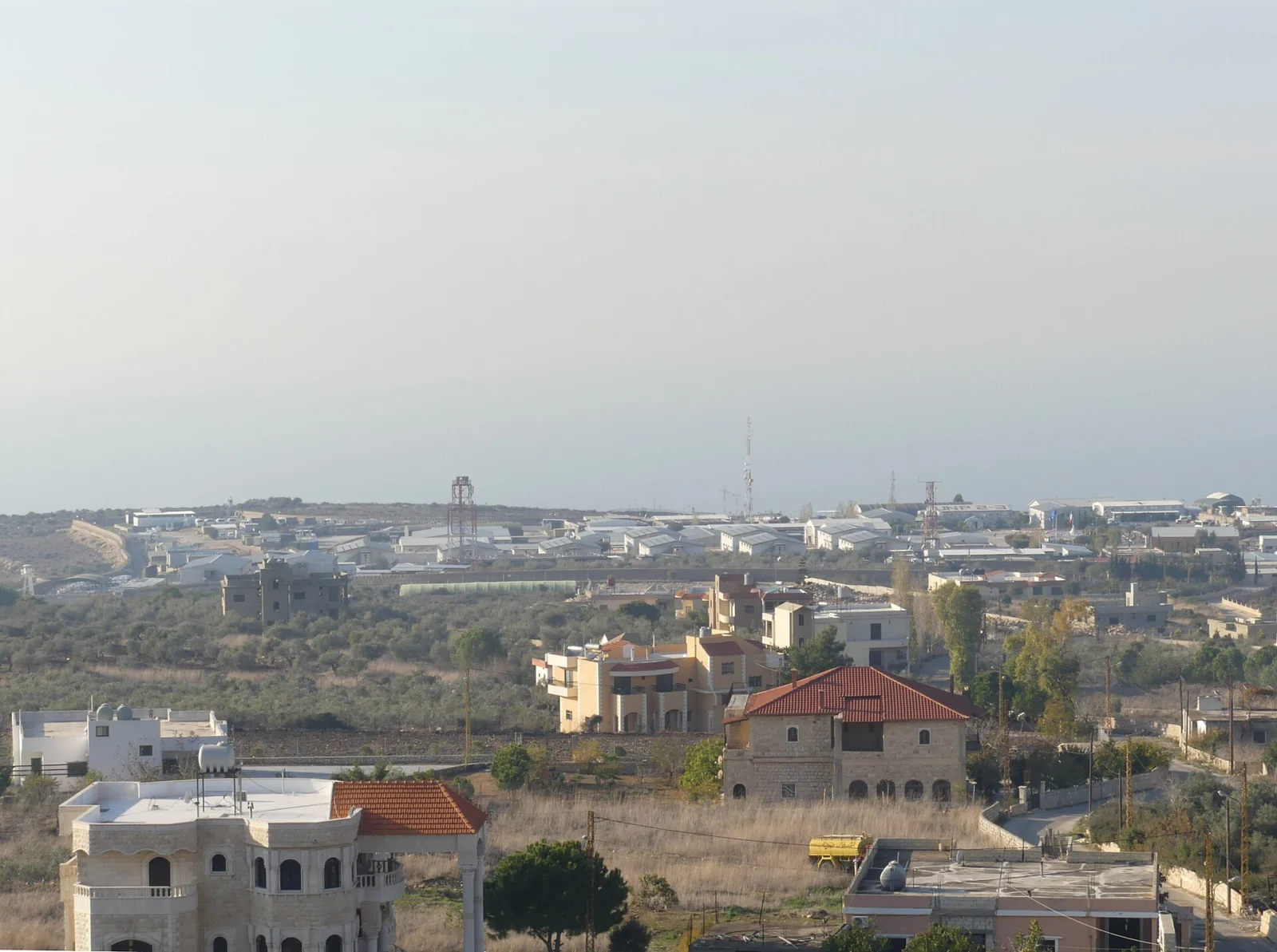
The United Nations Interim Force in Lebanon (UNIFIL) has documented 2,840 Israeli artillery shells, 90 airstrikes and 870 airspace violations over southern Lebanon in October, saying civilians in the south continue to bear the brunt of the conflict even though the intensity of hostilities has declined.
In a statement carried by Qatar News Agency (QNA) from Beirut on 21 November, the UN mission said the Israeli activity it recorded violated UN Security Council Resolution 1701. The resolution, adopted after the 2006 war, calls for the withdrawal of armed elements from southern Lebanon and calm along the border.
According to the statement, Israeli forces remain present in parts of southern Lebanon. UNIFIL said extensive damage to homes and civilian infrastructure continues to affect local communities and is hindering the return of displaced people to their homes.
The mission said its peacekeepers were continuing to carry out their duties efficiently and responsibly during the remaining weeks of their mandate. The Security Council renewed UNIFIL’s mandate for the last time in August 2025 under Resolution 2790 and decided that the mission would end by the close of this year.
The statement did not include any Israeli response to the October figures, which are based on UNIFIL’s own observations.
Background
UNIFIL has operated in southern Lebanon since 1978 and became the main international force monitoring Resolution 1701 after 2006. What follows its closure remains unclear: in October, UN peacekeeping chief Jean-Pierre Lacroix said Lebanese authorities wanted the UN to stay on as a third-party buffer after UNIFIL’s mandate expires.
Strikes have continued in recent days. Lebanon’s official news agency NNA reported on 20 November that Israel carried out air, artillery and drone strikes on four districts in the south. According to the International Organization for Migration (IOM), 304,520 people remain displaced in Lebanon.
Why it matters
The October figures show that military activity in southern Lebanon remains high despite the ceasefire and the lower intensity of fighting. With the mission’s mandate ending within weeks, the withdrawal of the main body that independently monitors the border line and records violations could leave a new gap, both for displaced civilians hoping to return and for tracking tensions along the Israel-Lebanon frontier.
Source: QNA (UNIFIL açıklaması) · Image: RomanDeckert, CC BY-SA 4.0