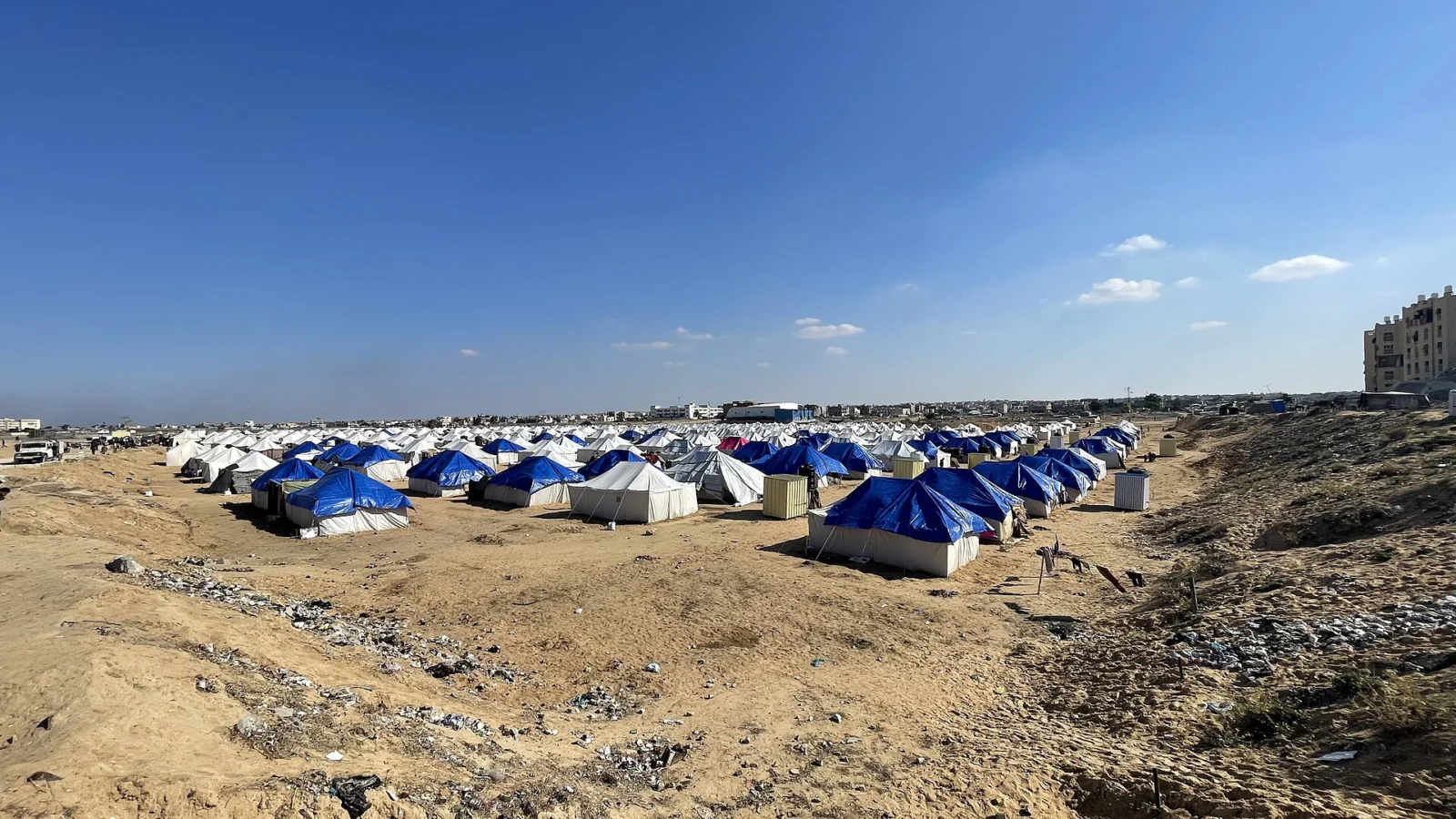
The Gaza Health Ministry says meningitis infections in the Gaza Strip have risen to record levels, warning that the health crisis could deepen further. It also said medical linen and gowns have completely run out in hospital stockrooms, threatening to halt surgery.
According to the Qatar News Agency (QNA), the ministry issued two separate statements on Sunday, 22 November. It said damage to sewage networks and the breakdown of the wastewater treatment system mean fresh water sources are mixing with wastewater as rain continues. This, the ministry said, has pushed the epidemic curve upward, particularly in cases of viral meningitis.
Without urgent intervention, the ministry warned, the situation poses a growing threat, especially to children and the most vulnerable. It called on the international community, the UN and humanitarian organisations, in particular the World Health Organization (WHO) and UNICEF, to act immediately and in a coordinated way to secure the entry of materials and technical equipment to repair water and sewage networks.
The supplies it listed include water treatment and disinfection materials, laboratory and diagnostic supplies, medicines, fuel to run desalination and wastewater treatment plants, and hygiene supplies for displaced people in shelters.
The second statement focused on medical textiles. The ministry said a two-year Israeli restriction on medical textiles entering Gaza, combined with a lack of funding, has created an unprecedented crisis, and that running out of these supplies could disrupt essential services, admissions and inpatient care across all hospitals. It held Israeli authorities responsible and urged donors and international bodies to press for the materials to be let in immediately. No Israeli response to the statements has been reported.
Background
Gaza’s hospitals have long been operating with shortages of medicines, medical devices and spare parts. According to health sources in Gaza, at least 74,742 people have been killed and 176,227 injured since October 2023. Since the ceasefire took effect in October 2025, at least 1,675 people have been killed and 6,095 injured, and 851 bodies have been recovered from the rubble. Over the past 24 hours, hospitals received six dead, two of them pulled from rubble, and 33 injured.
Why it matters
Winter rain raises the risk of waterborne disease for hundreds of thousands of people living crowded in tents and shelters. Sewage seeping into drinking water can fuel outbreaks beyond meningitis. The loss of seemingly simple supplies such as bed sheets and surgical gowns directly threatens operating theatres and wards, a sign that aid entering Gaza cannot be limited to food alone.
Source: QNA, QNA · Image: Jaber Jehad Badwan, CC BY-SA 4.0