
Five international humanitarian organisations have scored the internationally backed 20-point plan for Gaza at just 4 out of 26 on its first anniversary, saying at least 1,650 Palestinians have been killed since the ceasefire was declared and that Israeli forces now control up to 70% of the territory.
The scorecard, led by the Danish Refugee Council, the Norwegian Refugee Council, Oxfam, Refugees International and Save the Children, was released in Washington on 19 November. It measures the Trump administration’s 20-point plan against its own objectives on civilian protection, humanitarian access, reconstruction and economic development, and freedom of movement and return. In the same assessment at the six-month mark in April 2026, the plan scored 5.
According to the scorecard, at least 1,650 Palestinians were killed and 5,975 wounded between the ceasefire declaration in October 2025 and mid-November 2026, more than double the death toll recorded at six months. The area under Israeli control has grown from 58% at the start of the ceasefire to as much as 70%. The groups say the UN has reported near-daily Israeli airstrikes in densely populated areas over the past year.
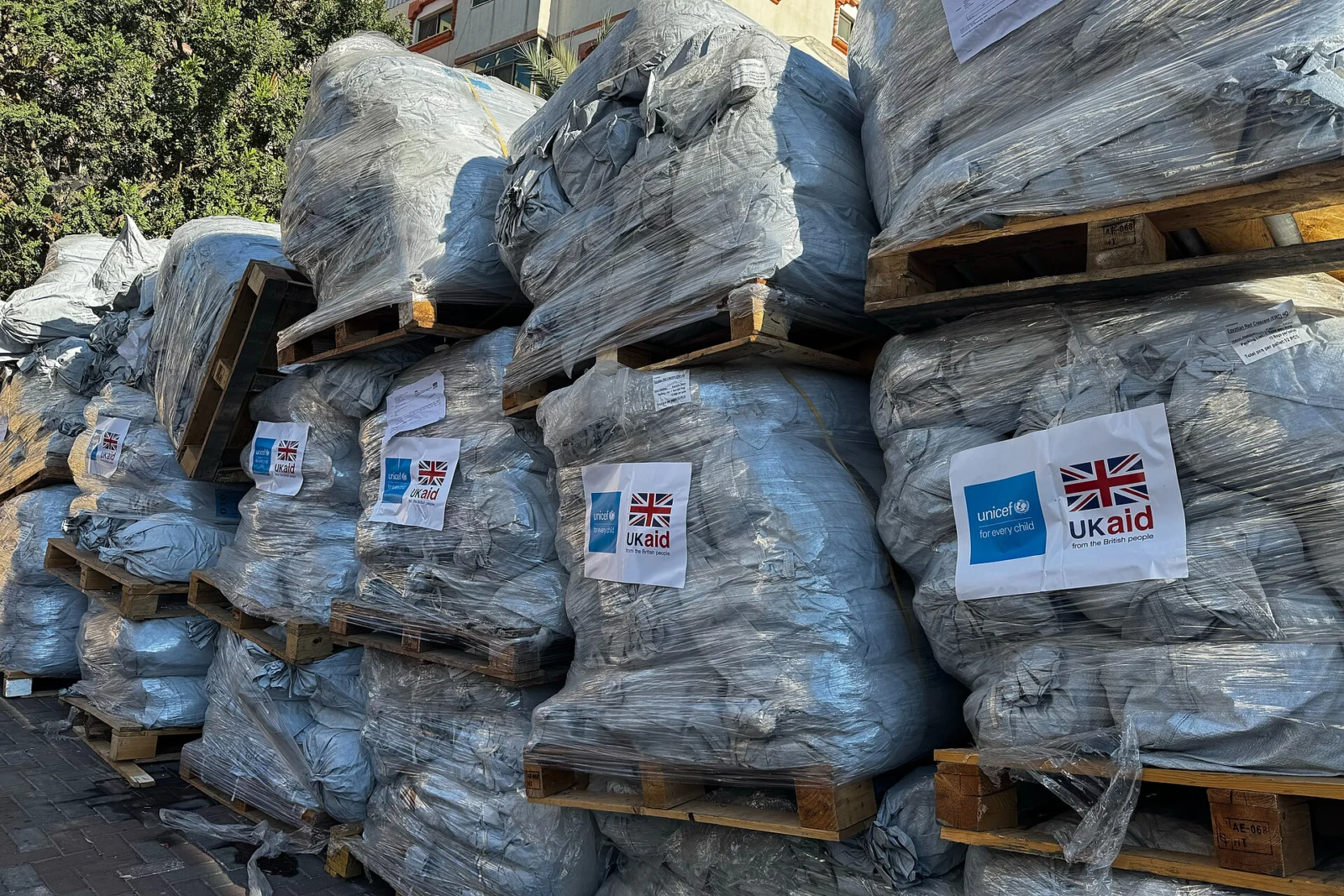
UN Security Council Resolution 2803, which endorsed the ceasefire on 17 November 2025, set an agreed minimum of 600 UN-coordinated aid trucks entering Gaza each day. In September, an average of 49 such trucks entered daily, and only 2% carried medical supplies. Humanitarian access again received a score of zero, as it did in April. The organisations say the Israeli government continues to obstruct shelter materials, medical equipment and supplies needed to restore water and sanitation services.
All six wastewater treatment plants in Gaza remain out of service and not a single hospital is fully operational. As Gaza enters its fourth winter, nearly 1 million people live in sites at medium or high risk of flooding, and 89% of households report rodents in their shelters. Earlier this month a rainstorm flooded more than 70,000 tents, and a nine-month-old baby was reported to have died of hypothermia.
“The commitments made a year ago mean little if they do not change the reality on the ground,” said Jeremy Konyndyk, president of Refugees International. Jan Egeland of the Norwegian Refugee Council said Israel must open all crossings and allow humanitarian aid in. Lilu Thapa of the Danish Refugee Council said 1.8 million people had been squeezed into displacement sites as the Yellow Line expands, calling it “displacement by design”.
Background
The organisations urged the Security Council, the Board of Peace and member states to secure the opening of all crossings, replace Israeli approval and inspection processes with independent aid verification, and establish UN-mandated monitoring with quarterly humanitarian reporting. Earlier on the same day, the UN warned that more than 18,000 people in Deir al-Balah were at risk of displacement because of an Israeli operation in central Gaza.
Why it matters
The scorecard puts numbers on the claim that humanitarian conditions in Gaza have deteriorated during the ceasefire’s first year when measured against the plan’s own goals. With winter setting in and aid deliveries far below the agreed level, pressure on the plan’s backers is likely to grow in the coming weeks.
Source: Islamic Relief / ReliefWeb · Image: Foreign, Commonwealth & Development Office, CC BY 4.0