
Claim The information in this story comes from a media outlet of one of the parties to the conflict and has not been independently verified.
Iran says oil tankers sailing in zones it has declared off-limits in the Strait of Hormuz struck sea mines and caught fire. The statements came first from the Revolutionary Guards and then from the Iranian army’s navy; the tankers’ names, flags and the extent of the damage were not given, and the incidents have not been independently verified.
According to Iran’s Mehr news agency, the public relations office of the Revolutionary Guards Navy announced on Saturday morning that explosions had occurred on two oil tankers south of the Strait of Hormuz and that the ships had caught fire. The statement said the tankers hit mines while trying to pass through the strait on an unauthorised route with their radar and positioning systems switched off. The Guards also claimed that flames on one of the vessels, a “supertanker”, lit up the strait’s southern shores through the night.
Later in the day the Iranian army’s navy issued its own statement. According to Mehr, it said another oil tanker sailing in the restricted zone east of the strait had also struck a mine and caught fire, and asserted that the east of the strait was entirely under its control and surveillance. Middle East Monitor, citing the Tasnim agency, reported the navy as saying that “fire and explosion” were the fate of tankers that switch off their tracking systems and operate illegally in restricted zones.
The Revolutionary Guards also warned shipowners and shipping companies that transiting the strait without coordinating with its traffic control centre and following Iran’s rules would bring similar results. The statements did not say which countries the tankers belonged to or whether any crew were killed or injured.
Background
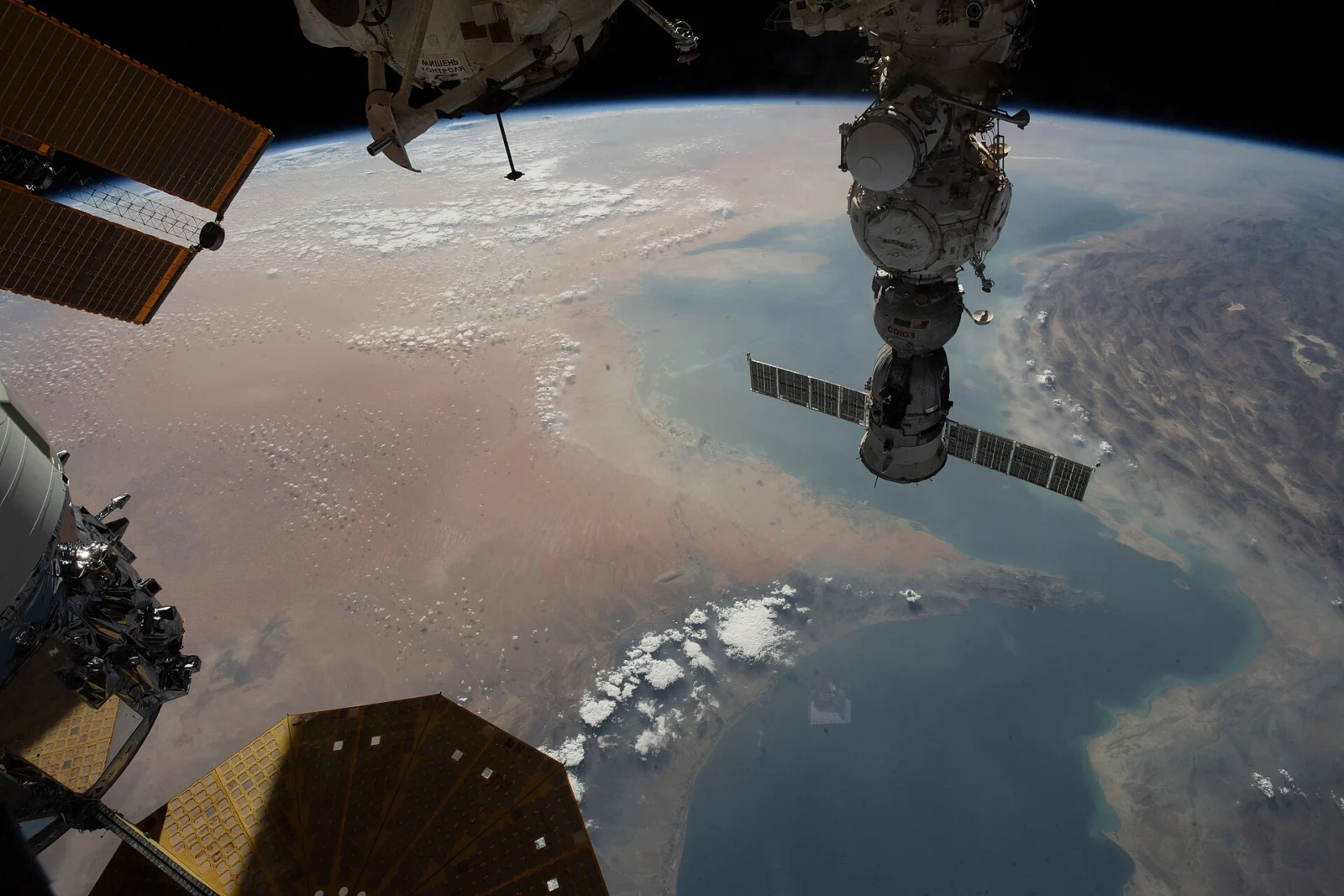
The Iranian army also said on Thursday that two oil tankers had struck mines east of the strait. Traffic through Hormuz has been disrupted repeatedly since the attacks the US and Israel launched against Iran on 28 February. The narrow waterway linking the Gulf to the Gulf of Oman is the main route for the Gulf states’ oil and natural gas exports.
The UN Security Council discussed maritime security in the region on Friday at Bahrain’s request. Khaled Khiari, the UN assistant secretary-general for the Middle East, Asia and the Pacific, told the meeting that the International Maritime Organization (IMO) had recorded 134 verified incidents in the Strait of Hormuz and the wider Middle East maritime area as of 11 November, with 25 seafarers killed. According to Khiari, October saw the most incidents against commercial ships since February.
Why it matters
Every new incident in the Strait of Hormuz directly affects oil prices and freight and insurance costs. Iran’s statements show it is continuing its effort to tie passage through the strait to its own rules and traffic control centre. The lack of independent verification and the failure to identify the ships add to uncertainty about what is really happening in the strait; the UN has repeated its warning that sea lanes must not be used as a tool of pressure.
Source: Mehr (İran), Mehr (İran), Middle East Monitor, Middle East Monitor (BM brifingi) · Image: NASA Johnson Space Center, Public domain