
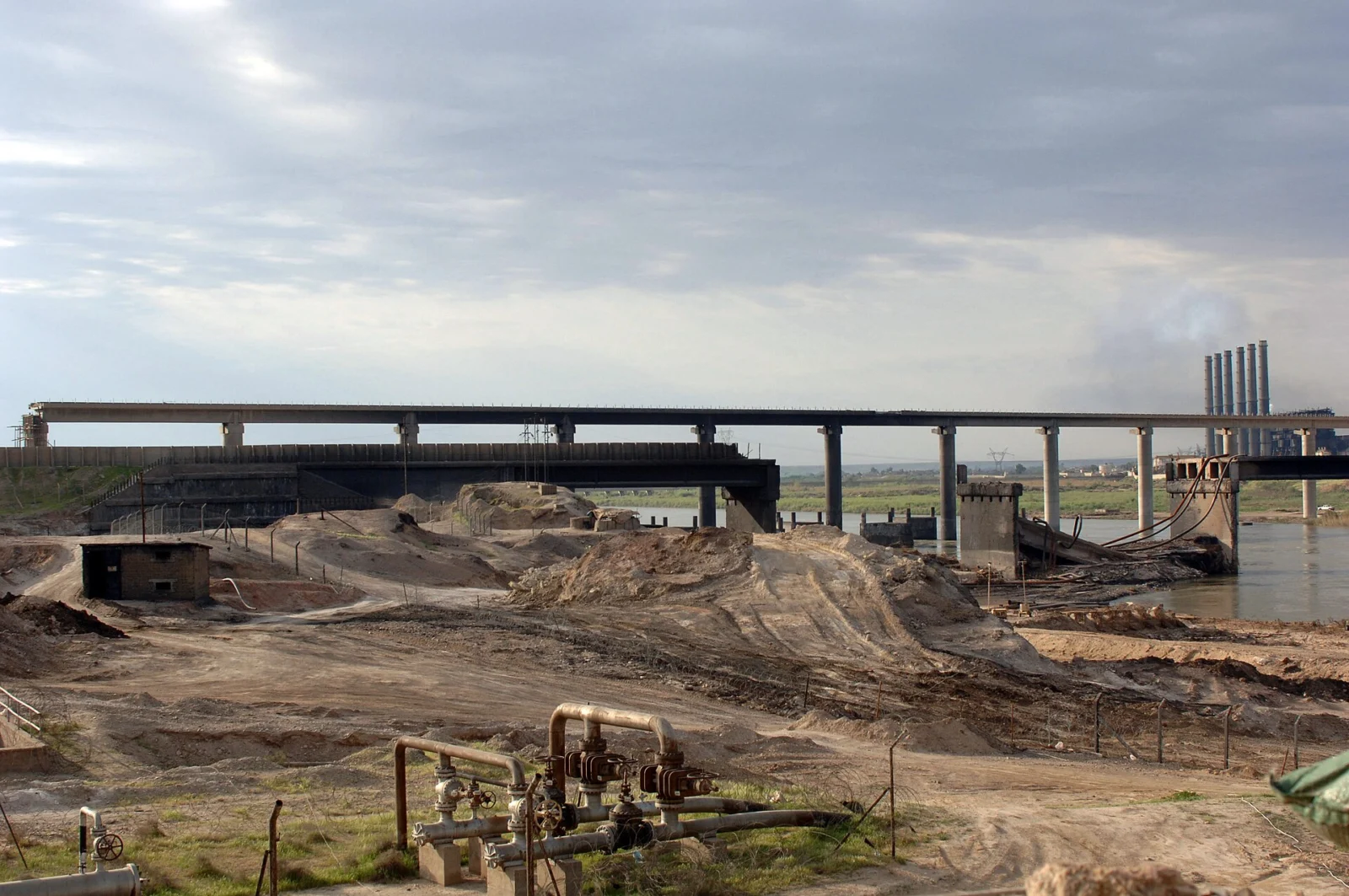
Iraqi authorities on Thursday, 19 November, detained Ali Abdul Karim al-Mousawi, director general of the state-owned Oil Pipelines Company, as part of an investigation into oil smuggling in Jurf al-Nasr in central Babil province.
Middle East Monitor, citing Iraq’s official news agency INA, reported that a senior source said Mousawi was detained after giving testimony to judicial authorities about smuggling operations in Jurf al-Nasr, formerly known as Jurf al-Sakhar. The source gave no further details about the allegations against him and did not say whether formal charges had been filed.
The detention is the latest step in a widening investigation. Prime Minister Ali al-Zaidi dismissed nine security and administrative officials on Saturday after an emergency security meeting and ordered suspects implicated in the case referred to the judiciary. Those dismissed included Babil’s police chief, the provincial commander of the Popular Mobilization Forces (PMF), the commander of the Interior Ministry’s 6th Energy Police Brigade and the director of the Oil Pipelines Company.
Armed forces spokesman Sabah al-Numan said a government investigation had corroborated intelligence reports of oil smuggling, uncovering unauthorized refining facilities and evidence of tampering with pipelines. On Monday, a member of a parliamentary committee said investigators had examined documents, photographs and drone footage supporting the allegations. The armed group Kataib Hezbollah, which maintains a presence in the area, denied any involvement in smuggling, saying the facilities were used to supply fuel to military vehicles. On Wednesday, Iraq’s Higher Committee for Security Sector Reform decided to replace the security forces controlling Jurf al-Nasr and assign the Energy Police to protect an oil pipeline running through the area.
Background
Iraqi forces and PMF factions retook Jurf al-Nasr from the Islamic State group in 2014. The area has since remained under tight security, with armed factions, notably Kataib Hezbollah, keeping their influence there, and many displaced residents are still waiting to return. This week Kataib Hezbollah rejected a deadline set by Prime Minister Zaidi for its withdrawal from the area.
Why it matters
The detention of the head of the state pipeline company shows that the investigation is not limited to security officials on the ground and is also examining whether oil smuggling reaches inside state institutions. Jurf al-Nasr is also a test of the balance of power between the Baghdad government and armed groups close to Iran, and the decision to replace the forces controlling the area could prove an important step in that contest.
Source: Middle East Monitor (INA'ya dayanarak) · Image: Department of Defense. American Forces Information Service. Defense Visual Information Cen, Public domain