The Coalition to Support Legitimacy in Yemen said on Saturday, 21 November, that it had intercepted and destroyed a ballistic missile targeting the western region of Saudi Arabia. Earlier the same day, the coalition said it had brought down a drone heading for the Riyadh region.
The announcement came from the coalition’s official spokesman, Maj. Gen. Turki al-Maliki, according to a report from Riyadh carried by the Qatar News Agency (QNA). The statement did not say which city or facility the missile was aimed at, where it was launched from, or whether any debris caused damage.
In its first statement on Saturday, the coalition said a drone targeting the Saudi capital had been intercepted and destroyed. That announcement was also made by Maj. Gen. al-Maliki. Neither statement mentioned any deaths or injuries.
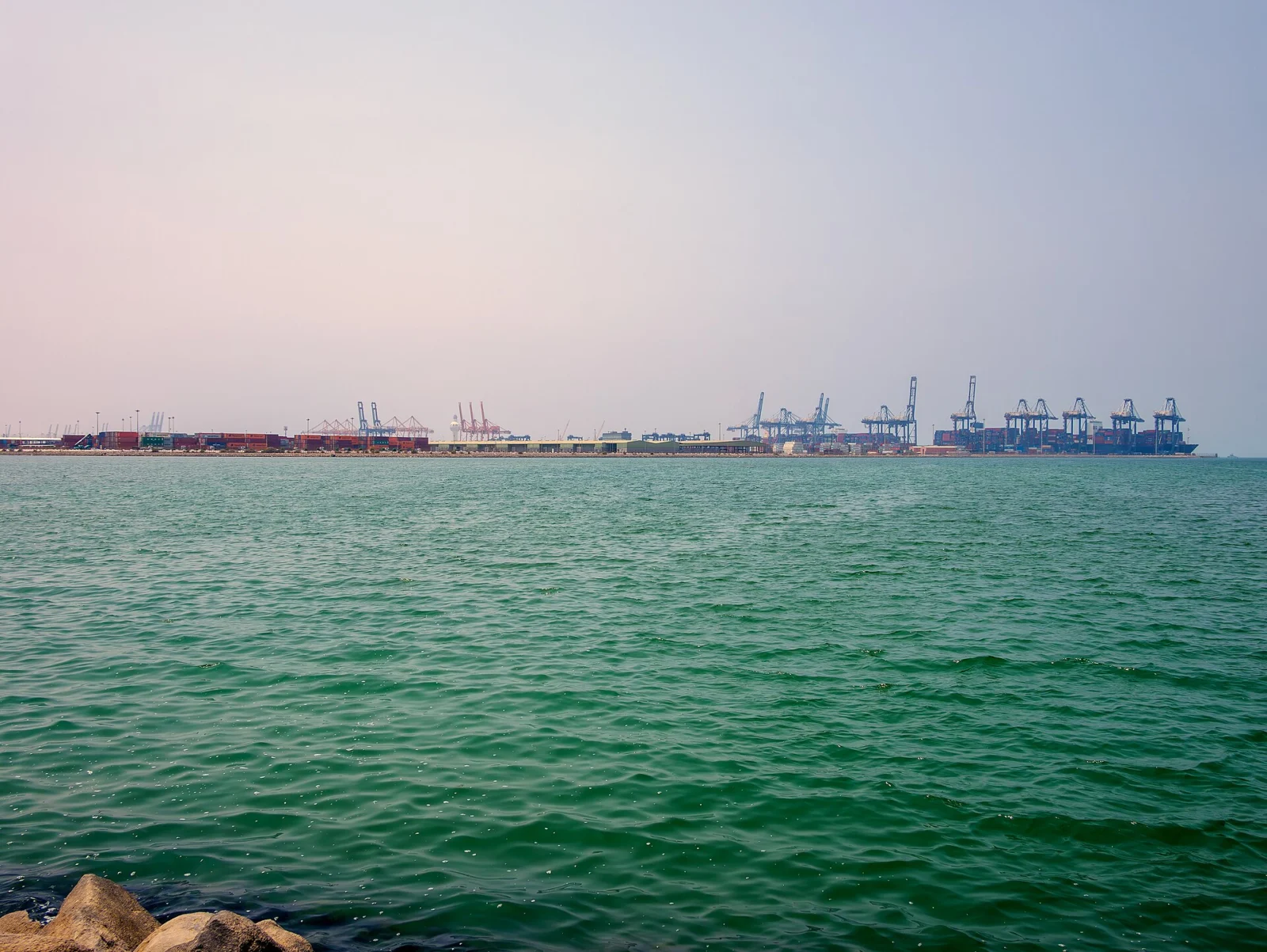
The missile aimed at the west suggests that attacks, which in recent days have focused mainly on Riyadh and the south of the country, are shifting in a new direction. Western Saudi Arabia is home to the Red Sea port of Jeddah and the holy cities. No statement from the Houthi authorities about the attack was available in the sources at the time of writing.
Background
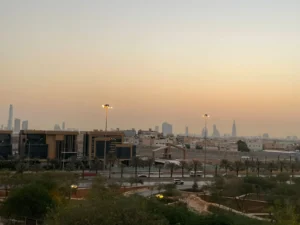
A day earlier, the coalition said it had shot down three ballistic missiles fired by the Houthis towards Riyadh. That statement followed coalition strikes on facilities at the port of Hodeidah and damage to a tower at Riyadh’s King Abdullah Financial District in a Houthi attack. On 20 November, the coalition announced a new military operation against the Houthis and said it had struck seven targets in Sanaa. The United Nations has warned that attacks on Hodeidah port threaten an aid lifeline for millions of Yemenis.
Why it matters
Attacks reaching the Red Sea coast, in addition to Riyadh and the southern border region, point to a risk that the war in Yemen could extend to Saudi Arabia’s most sensitive economic and religious areas. Jeddah is a key stop for Red Sea trade, and tension there could also affect shipping and insurance costs. Continued attacks by both sides make UN calls for a ceasefire and humanitarian access even harder to achieve.
Source: QNA, QNA · Image: Meshari Alawfi, CC BY 4.0