Around 6.35 million people in Haiti, roughly half the population, will not have enough to eat between March and June 2027, according to the United Nations. Almost two million of them are expected to face emergency levels of hunger, where families have little or nothing left to eat.
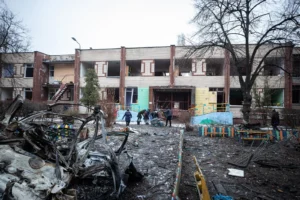
UN News reported on 21 November that overlapping crises are driving the situation. More than 1.5 million people have fled their homes because of armed gang violence, and many of them can no longer work or farm. Insecurity is also disrupting farming communities and the supply chains that carry food to markets.
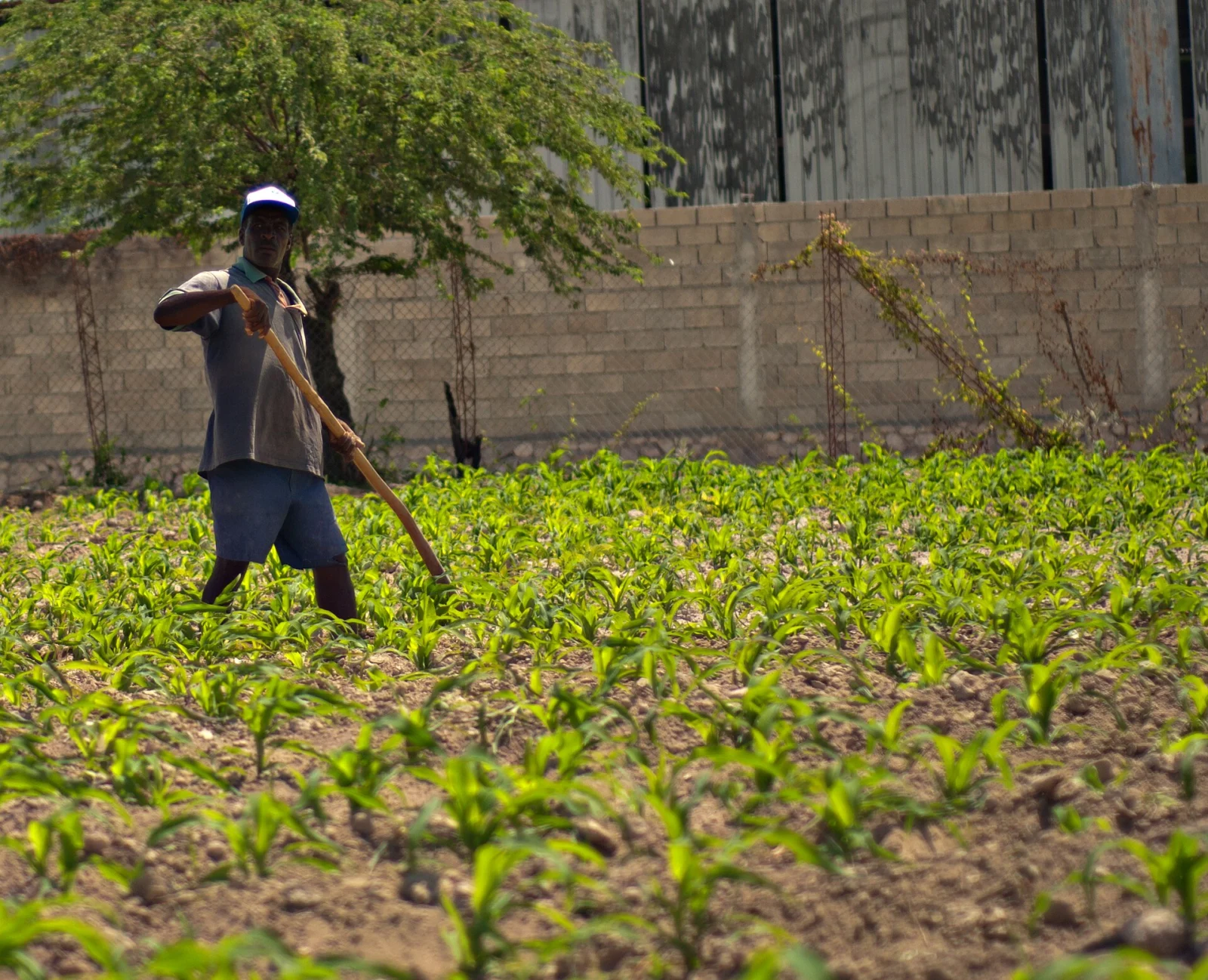
El Niño has become a third threat, bringing both droughts and floods that cut harvests and make it harder for farmers to prepare for the next planting season. The number of people affected by drought is projected to reach four million by December 2026. “You work the soil, but there is no rain. You plant your crops, and you end up with nothing to harvest,” said farmer Dieula Célestin.
The World Food Programme (WFP) has supported 2.6 million people this year alongside Haitian authorities and provides school meals to more than 620,000 students. Pre-positioned stocks of rice, beans and cooking oil can feed up to 300,000 people for a month after extreme weather. The Food and Agriculture Organization (FAO) is distributing poultry and goats so families can earn cash and produce food immediately, said FAO country chief Pierre Vauthier.
Over the longer term, WFP, FAO and the International Fund for Agricultural Development (IFAD) are repairing water infrastructure and rural roads and offering insurance against crop losses. Some 74 per cent of WFP school meals use food bought directly from local farmers.
Background
Haiti has endured years of political instability and violence by armed gangs that control large areas, including much of Port-au-Prince. Hurricane Melissa struck the south of the country a year ago, and the UN Humanitarian Air Service flies aid workers to areas that are hard to reach by road.
Why it matters
With half the population at risk of hunger, Haiti faces one of the most severe humanitarian crises in the Western Hemisphere. A prolonged El Niño could cut harvests further, while insecurity complicates aid delivery. Combining emergency relief with farm support is aimed at reducing the country’s long-term dependence on aid.
Source: BM Haberler · Image: USAID U.S. Agency for International Development, Public domain