Denmark returned two bone figurines dating back about 10,000 years to Jordan on Saturday, 21 November, because “they belong here,” Danish Minister for Science, Higher Education and Digital Affairs Christina Egelund said.
Speaking to the Jordan News Agency (Petra), Egelund said the carvings are among the earliest known depictions of people who lived in what is now Jordan. Danish archaeologists found the figurines in Jordan and took them to Copenhagen for cleaning, analysis and research, she said. “We are very pleased to return them now to their original home, Jordan,” she said, adding that she welcomed the opportunity to represent her government at the handover.
Egelund spoke on the sidelines of a symposium organised by the Danish Institute in Amman on Jordan’s archaeological and cultural heritage, World Heritage sites and early human settlement. A Danish delegation of researchers, academics and university presidents attended.
The minister described the return as a sign of friendship between the two kingdoms and said the discovery itself grew out of a long tradition of scientific cooperation, particularly in archaeology. Noting that the institute has worked in Jordan for many years, she said further exchanges between researchers and cultural institutions could expand joint work on archaeology and heritage conservation. She also congratulated Jordan on the success of Thursday’s Jordan-EU Investment Conference at the Dead Sea and called for closer investment ties between Europe and Jordan.
Background
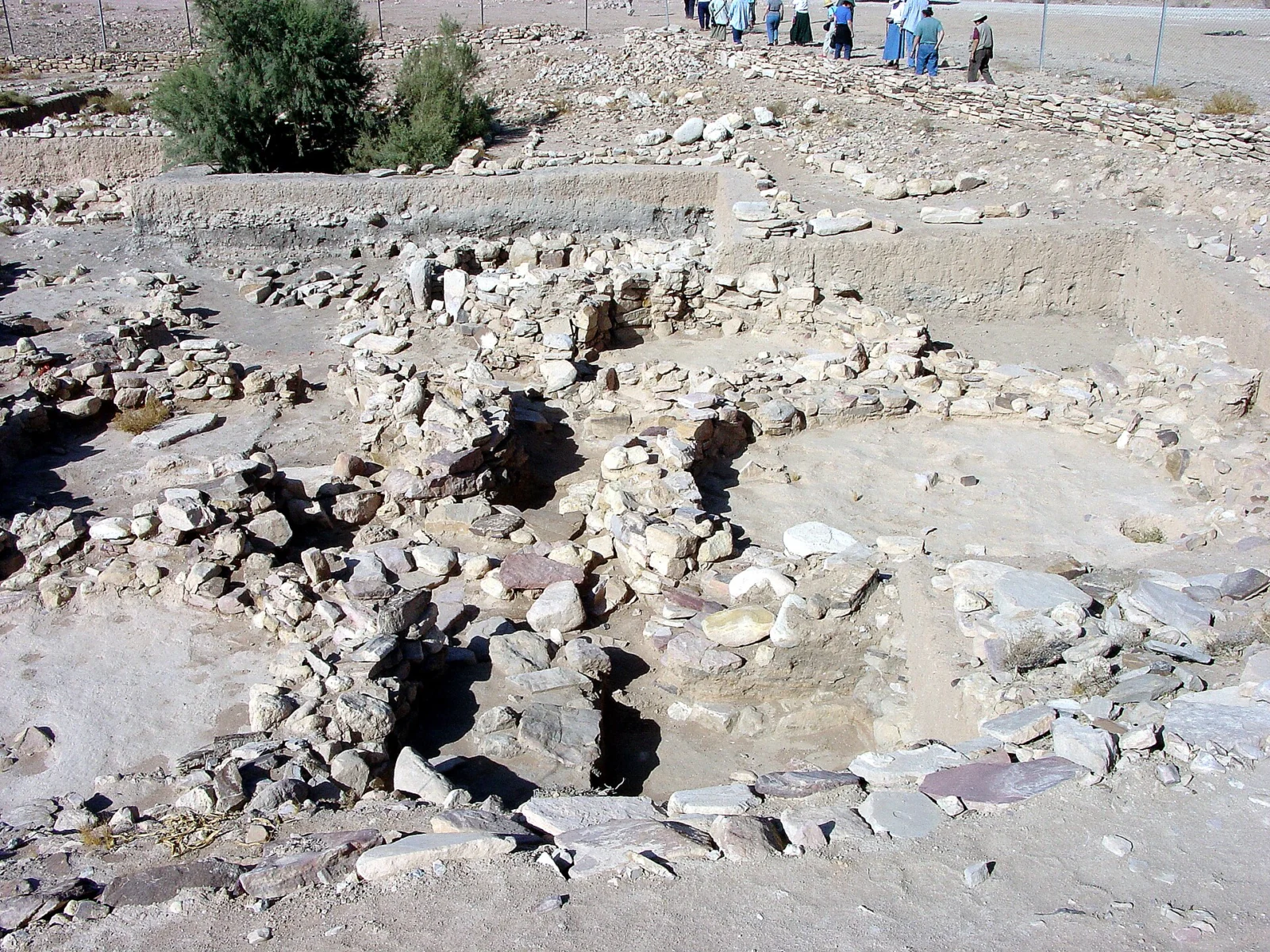
The figurines were unearthed at Shkarat Msaied, a Neolithic village about 20 kilometres north of Petra on the road to Wadi Araba. The site dates to around 8000 BCE, during the Pre-Pottery Neolithic B period, when farming communities were developing in the region. Stone walls and stairways still survive there. According to Petra, careful cleaning and conservation of the larger figurine revealed the facial features and body details carved by its Stone Age maker.
Why it matters
The return of artefacts to their countries of origin has become a significant theme in cultural relations between Europe and the Middle East. Denmark’s move shows that finds taken abroad for research can ultimately go back to the country where they were discovered. The figurines are rare evidence of how people depicted themselves at the time settled life and farming were taking hold in the region.
Source: Petra · Image: Michael Gunther, CC BY-SA 3.0