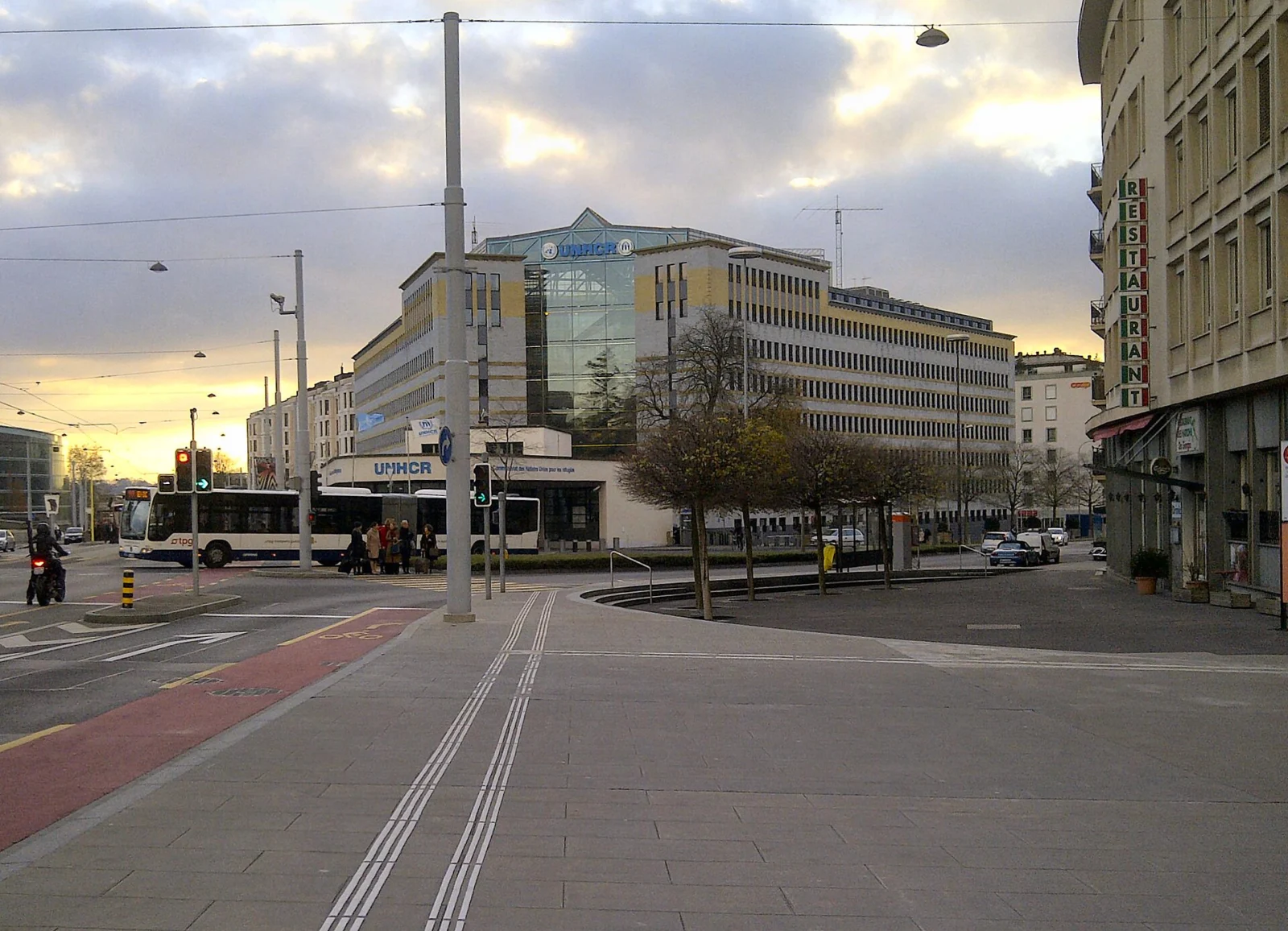
The UN refugee agency, UNHCR, has warned that deep funding cuts are severely weakening protection for refugee and stateless women and girls at risk of gender-based violence, leaving 5.6 million forcibly displaced and stateless people without lifesaving prevention and response services.
Speaking to journalists in Geneva on Friday, UNHCR Assistant High Commissioner for Protection Ms. Wosornu said 171 UNHCR-supported “safe spaces” for women and girls were forced to close last year, while 203 remain open today. When safe spaces shut, she said, specialist services for survivors are cut and options for medical and legal referrals narrow.
According to the agency’s 2025 report, its programmes to counter gender-based violence were less than one-third funded in 2025. Some 63 per cent of UNHCR operations reported delays in survivors accessing specialised case management because of staff reductions among partners, and only 9 per cent of survivors were referred to legal services due to documentation and language barriers.
Wosornu noted that nearly one in three women globally has experienced physical or sexual violence and that more than 60 million forcibly displaced and stateless women and girls face heightened risks. “These funding cuts are slashing the very services that are needed to support them. We must not mistake silence for safety,” she said. She also recounted the story of Mariam, a woman in Nigeria who survived a decade of captivity at the hands of Boko Haram.
Data compiled by UNHCR from Bangladesh, Jordan, Lebanon, South Sudan and Tanzania showed that women and girls made up 98 per cent of recorded survivors, and nearly 88 per cent of incidents took place in private homes. Despite the shortfall, the agency’s specialised programmes reached 2.2 million people in 77 countries in 2025 and the first half of 2026.
Background
The warning came during the 16 Days of Activism against Gender-Based Violence campaign, which ends on 10 December. UN agencies have recently said they have had to scale back many programmes as donor countries cut aid budgets. In the Middle East, Jordan and Lebanon host large numbers of Syrian refugees.
Source: BM Haberler · Image: Milliped, CC BY-SA 3.0