Israel is advancing plans for a total of 1,515 housing units in three settlements in the occupied West Bank, according to reports on Sunday. On the same day, Israeli forces entered Wadi al-Na’am, a village in the Negev that Israel does not officially recognise, and handed out demolition notices, with more than 400 demolition orders reportedly being prepared for homes there.
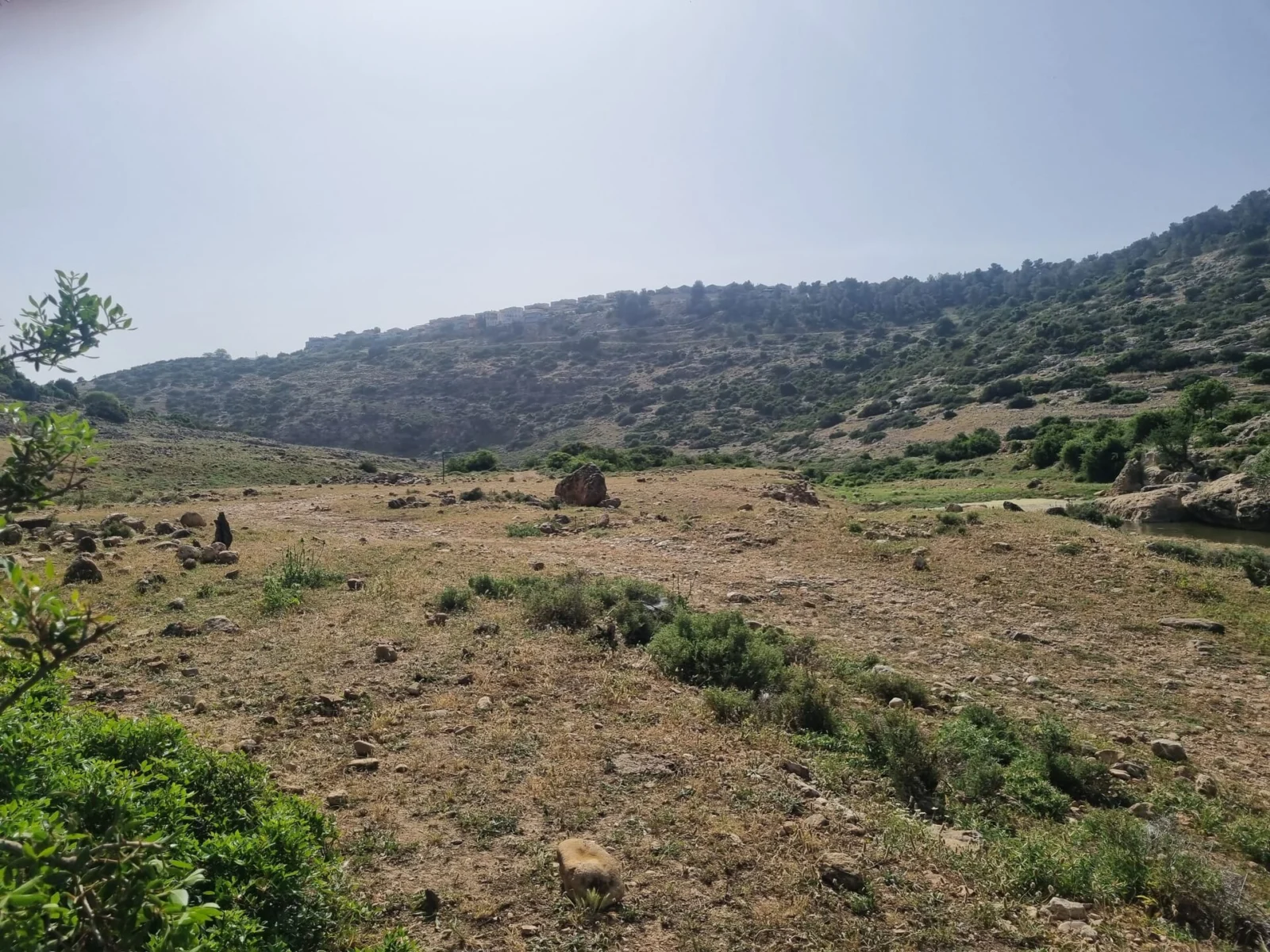
Middle East Monitor, citing Israel’s Channel 14, reported that the Higher Planning Council of the Israeli Civil Administration would advance the plans, which cover the settlements of Karnei Shomron, Harasha and Etz Efraim. In Karnei Shomron there is a plan for 436 units plus a project for 250 protected housing units, which the channel described as the first of its kind in the area. In Harasha, a 637-unit plan is moving towards final approval, bringing the total planned in the settlement to more than 900. In Etz Efraim, a plan for 192 new units is also nearing final approval.
The channel quoted Finance Minister and Minister in the Defence Ministry Bezalel Smotrich as calling the move “great news for the settlements” and saying the most significant project was the protected housing in Karnei Shomron.
In the Negev, witnesses said Israeli forces entered Wadi al-Na’am on Sunday and gave residents demolition notices. The village is one of the Palestinian communities in the Negev that Israel does not recognise; it has no approved master plan, infrastructure or basic services, and residents have been denied building permits for years. According to the report, demolitions and evictions have increased in several Negev villages in recent days despite residents’ legal challenges. The source did not include a separate response from Israeli authorities.
Background
Settlement activity is also contested within Israeli politics. Gadi Eisenkot, who has been tasked with forming a government, and opposition lawmakers recently criticised Netanyahu’s caretaker government over settler attacks on Palestinians. Settlements in the West Bank are considered illegal under international law, a view Israel disputes.
Source: Middle East Monitor, Middle East Monitor · Image: אור גנוז, CC0