Iraq on Saturday, 21 November, reopened the main road linking the Latifiya area south of Baghdad, the Jurf al-Nasr district in Babil province and the province of Karbala, after the government ordered state forces into the area.
The reopening was announced by Saad Maan, head of Iraq’s Security Media Cell. According to Middle East Monitor, citing the state-run Iraqi News Agency (INA), Maan said the road was open to traffic. The announcement came a day after Iraqi authorities set up a joint forces command headquarters in Jurf al-Nasr and began redeploying military and security units there.
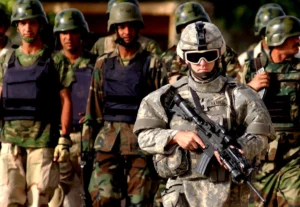
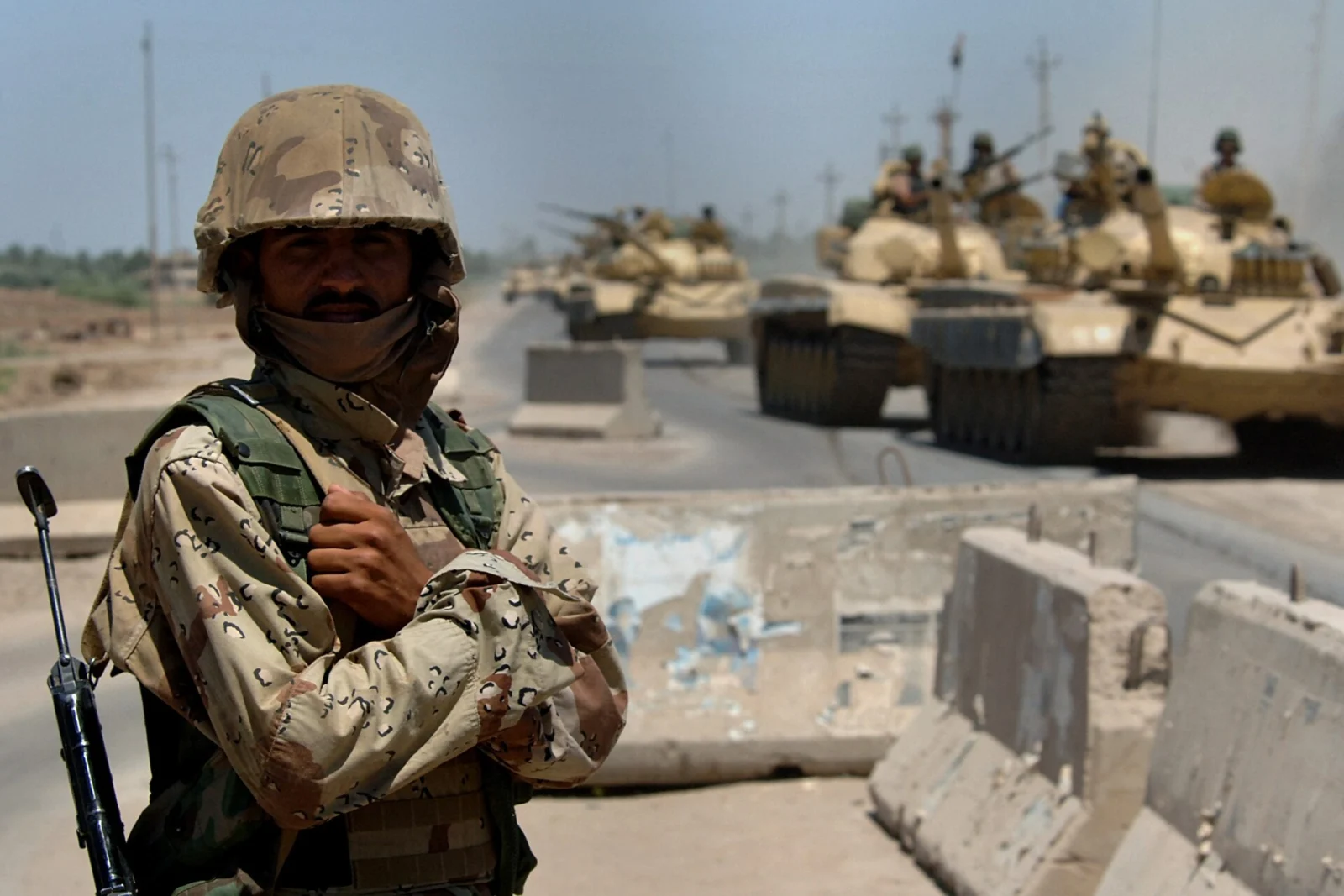
Iraqi authorities said the measures were intended to make it easier to reopen roads and allow displaced residents to return home. Ahmed Hatem Hamid, the commander of the joint headquarters, told a news conference on Friday that the redeployment involved two brigades from the Popular Mobilization Forces (PMF), one army brigade and one Federal Police brigade.
Hamid said the headquarters would manage operations and oversee the redeployment. The rotation of units began on Friday and will cover all forces stationed in the area according to a timetable.
Background
The security arrangements followed an announcement by government spokesman Haider al-Aboudi that Prime Minister Ali al-Zaidi had ordered the armed forces to enter Jurf al-Nasr. Al-Aboudi said the prime minister had also set a deadline for Kataib Hezbollah to withdraw from the area, without saying when it would expire. The orders came amid an investigation into suspected oil smuggling. According to al-Aboudi, an investigative committee inspected six sites, found “clear manipulation of pipelines passing through the area”, encountered attempts to conceal evidence and discovered two refineries, a tanker and storage tanks.
Kataib Hezbollah denied the allegations, saying inspectors had found no pipeline violations and that the tanks and facilities were used to fuel military vehicles. Jurf al-Nasr, formerly known as Jurf al-Sakhar, lies in northern Babil province. Iraqi forces and PMF factions retook the area from ISIS in 2014. It has remained under tight security ever since, with armed factions, particularly Kataib Hezbollah, keeping their influence there. Many residents displaced during the fighting have yet to return.
Why it matters
Jurf al-Nasr has for years been an area beyond full state control and closed to civilians. Reopening the main road to Karbala and rotating units on a fixed timetable are the first concrete steps on the ground in Baghdad’s attempt to assert its authority over armed groups. Whether the process ends with Kataib Hezbollah’s withdrawal or with new tension will shape both the return of displaced families and the future of Iraq’s armed factions.
Source: Middle East Monitor · Image: PH1(AW) MICHAEL LARSON, Public domain