Syrian authorities say they have intercepted a weapons shipment that was to be smuggled into Lebanon, the latest in a series of operations against cross-border arms trafficking.
The state news agency SANA, citing an unnamed source in the country’s General Intelligence Service, reported on Friday that the shipment was seized before it could enter Lebanese territory.
The source did not disclose the type or quantity of weapons, where the seizure took place or who the intended recipients were.
Syrian authorities have reported several operations in recent months to stop weapons and ammunition from being smuggled into neighbouring Lebanon. On 9 August, internal security forces in the western province of Tartus, working with the General Intelligence Service, said they had foiled an attempt to smuggle weapons and ammunition into Lebanon. According to the authorities, that shipment included automatic rifles, rocket-propelled grenades, magazines and various types of ammunition.
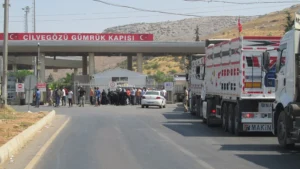
On 21 July, customs officials said they had seized 226 grenades hidden inside a vehicle heading to Lebanon through the Jdeidet Yabous border crossing in rural Damascus. On 15 April, security forces in the Al-Nabk area of rural Damascus said they had intercepted about 6,000 detonators intended for making explosive devices.
Background
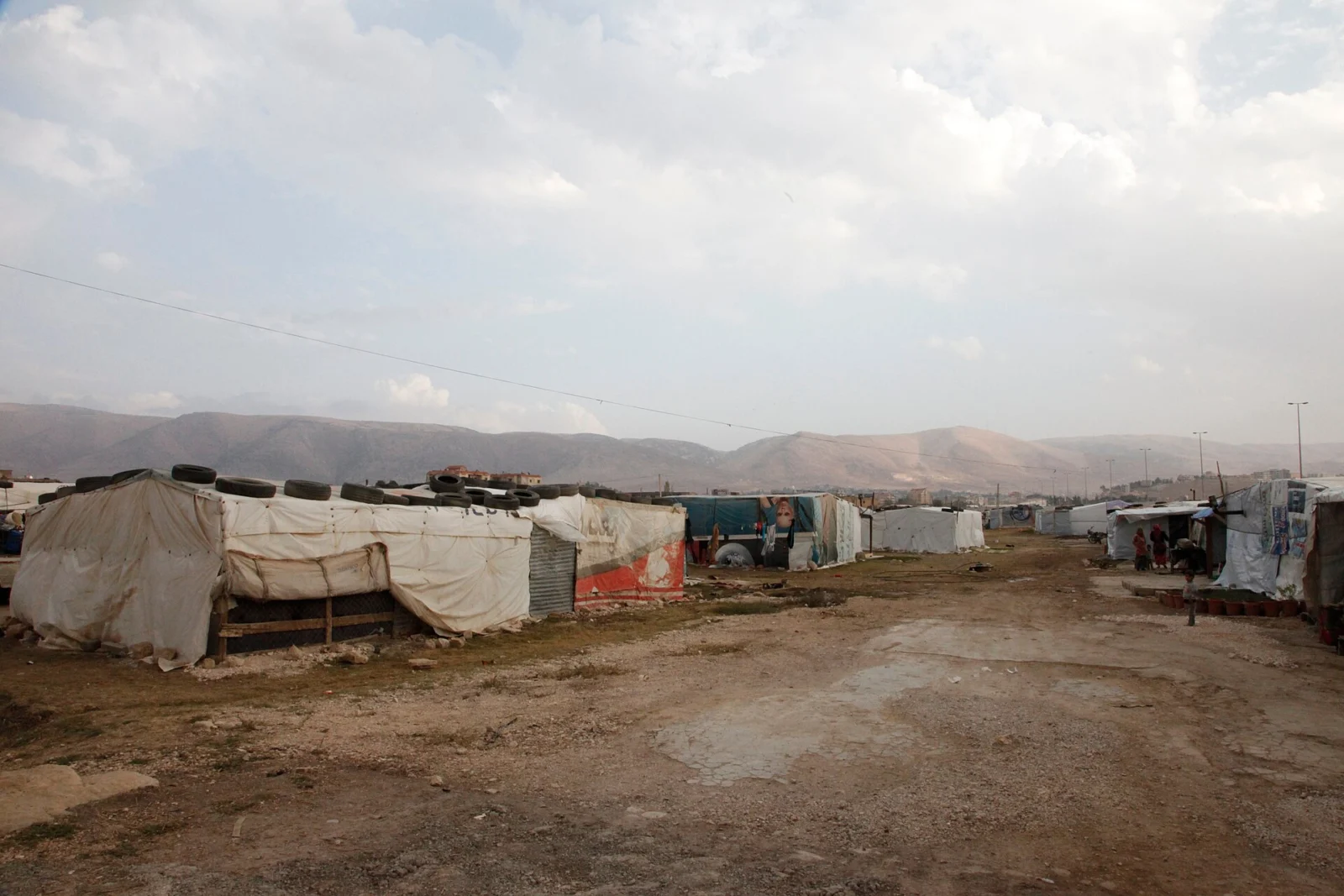
Since the fall of the Assad government on 8 December 2024, Syria’s new administration has sought to extend state authority across the country and tighten control of border crossings. Measures against weapons and drug smuggling along the Lebanese border have been stepped up as part of a wider push to strengthen border security. In April, the Syrian army uncovered a network of tunnels in the border village of Hosh al-Sayyid Ali in rural Homs that had been used in the past to smuggle weapons, ammunition and narcotics into Lebanon. Crossings between the two countries are also heavy, with the IOM reporting that movements from Lebanon into Syria have passed one million.
Why it matters
The Syria-Lebanon border has long been one of the main routes for arms and drug smuggling. With Israeli strikes and efforts to form a government continuing in Lebanon, Damascus’s announcements highlight the new administration’s claim to control the border and its aim of cutting supply lines to armed groups in Lebanon. But the lack of detail on who the weapons were meant for makes it hard to assess the scope of the operations independently.
Source: Middle East Monitor · Image: DFID – UK Department for International Development, CC BY 2.0