The United Nations says one-quarter of households in the Gaza Strip headed by women are facing heavy psychological burdens and urgent humanitarian needs. UN Deputy Spokesperson Farhan Haq said the $4.1 billion humanitarian appeal for Gaza and the West Bank has so far received only 35 per cent of the funding it requires.
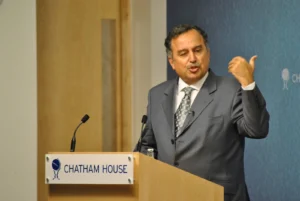
According to the Palestinian news agency WAFA, Haq was speaking at a press briefing at UN headquarters in New York on Thursday, 19 November, and cited figures from UN Women. He said women-headed households are more likely to live in inadequate housing, and noted that the humanitarian situation in Gaza continues to deteriorate.
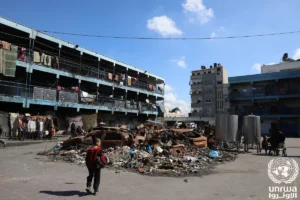
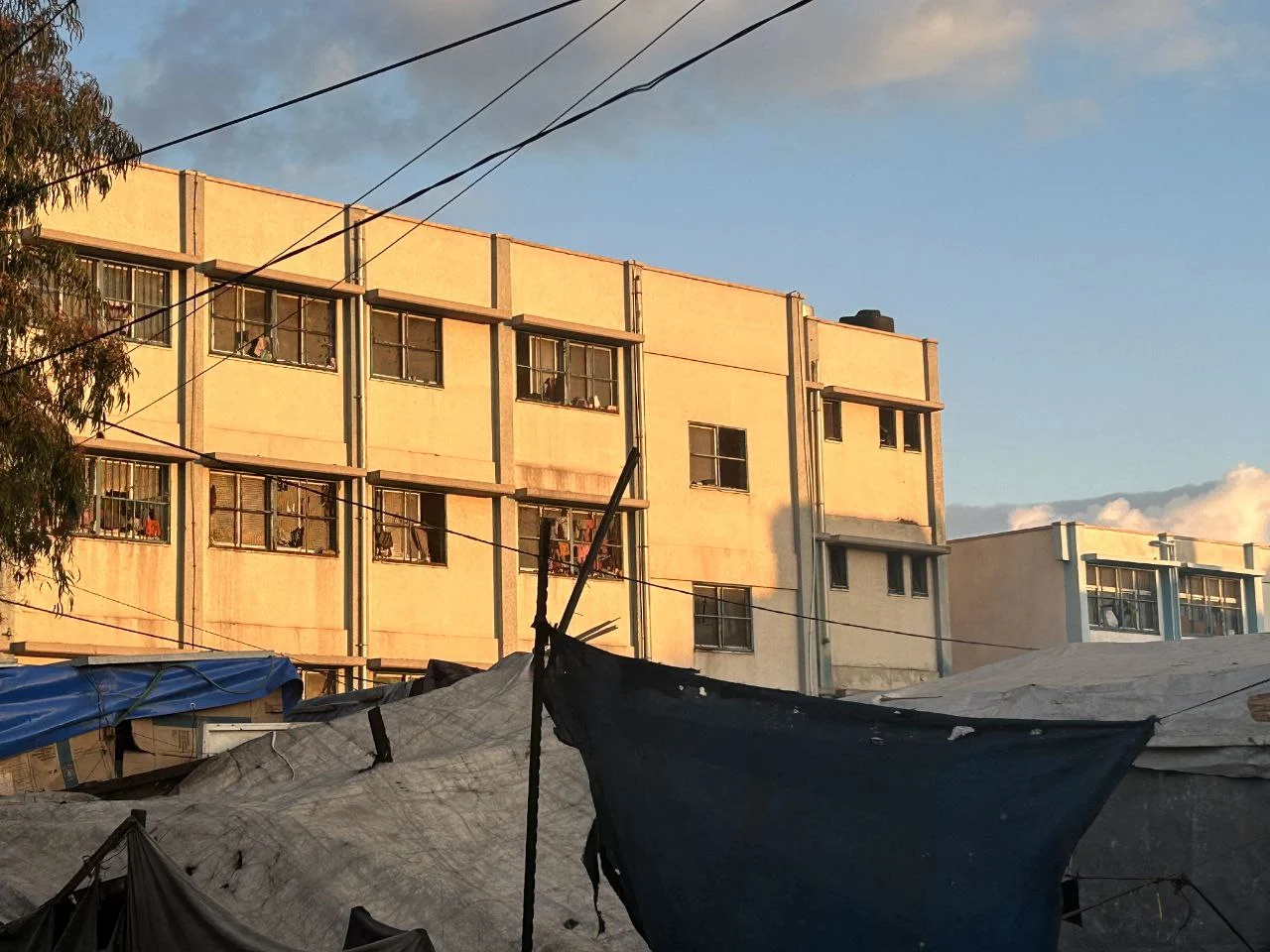
Haq also said flash floods caused by rain earlier this month damaged around 200 temporary learning sites across Gaza, nearly one-third of the educational facilities operating in the territory. He warned that Palestinians urgently need more assistance to cope with the cold and rain in the coming months, and said the UN remains committed to defending the rights of children in Gaza.
Turning to the occupied West Bank, Haq called on the Israeli authorities to investigate at least eight incidents in which Palestinians were deliberately run over by vehicles, and to hold those responsible to account. No response from the Israeli authorities was reported.
Background
A ceasefire has been in place in Gaza since 10 October 2025, but humanitarian conditions remain severe. In its October report, the World Food Programme (WFP) said the average number of commercial trucks entering Gaza each day fell from 129 to 60 and that flour prices rose by up to 65 per cent. The Education Cluster, which coordinates aid agencies’ education work in Gaza, recently published an assessment of 962 learning spaces, finding that a large share were in critical condition or at risk.
Why it matters
With winter setting in and only just over a third of the appeal funded, help for families living in tents and damaged buildings is likely to remain limited. Women-headed households are already among the most vulnerable when it comes to shelter and income, while flood damage to a third of learning sites further narrows children’s access to education.
Source: WAFA (BM basın toplantısı) · Image: Hla.bashbash, CC BY-SA 4.0