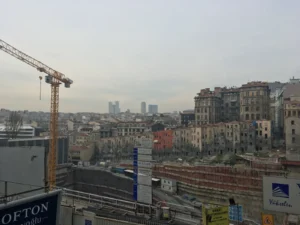
The number of buildings granted construction permits in Türkiye rose 2.3% in the third quarter of 2026 compared with the same period a year earlier, the Turkish Statistical Institute (TurkStat) said. The number of dwellings in those buildings increased 1.6% and floor area 2.2%. Occupancy permits showed a sharper rise: the number of buildings grew 16.9%, dwellings 21.1% and floor area 11%.
According to TurkStat’s building permit statistics bulletin for July-September, municipalities issued permits for 80.7% of the total floor area, with other authorised bodies accounting for the remaining 19.3%. By intended use, residential buildings with two or more dwellings had the largest share, at 39.3 million square metres or 68.3% of the total, followed by industrial buildings and warehouses at 5.1 million square metres.
The picture was similar for occupancy permits. Municipalities issued 78.5% of the floor area covered, and other authorised bodies 21.5%. Residential buildings with two or more dwellings ranked first with 25.8 million square metres and a 71.2% share, while industrial buildings and warehouses came second with 3.4 million square metres.
Calendar-adjusted data pointed in the same direction. On that basis, the number of buildings with construction permits rose 2.1% year on year, dwellings 1.3% and floor area 1.7%. In seasonally and calendar-adjusted terms, compared with the previous quarter, the number of buildings with construction permits fell 2.8%, while dwellings rose 0.6% and floor area 3.2%. Quarter-on-quarter growth in occupancy permits was 0.1% for buildings, 5.6% for dwellings and 4% for floor area.
Background
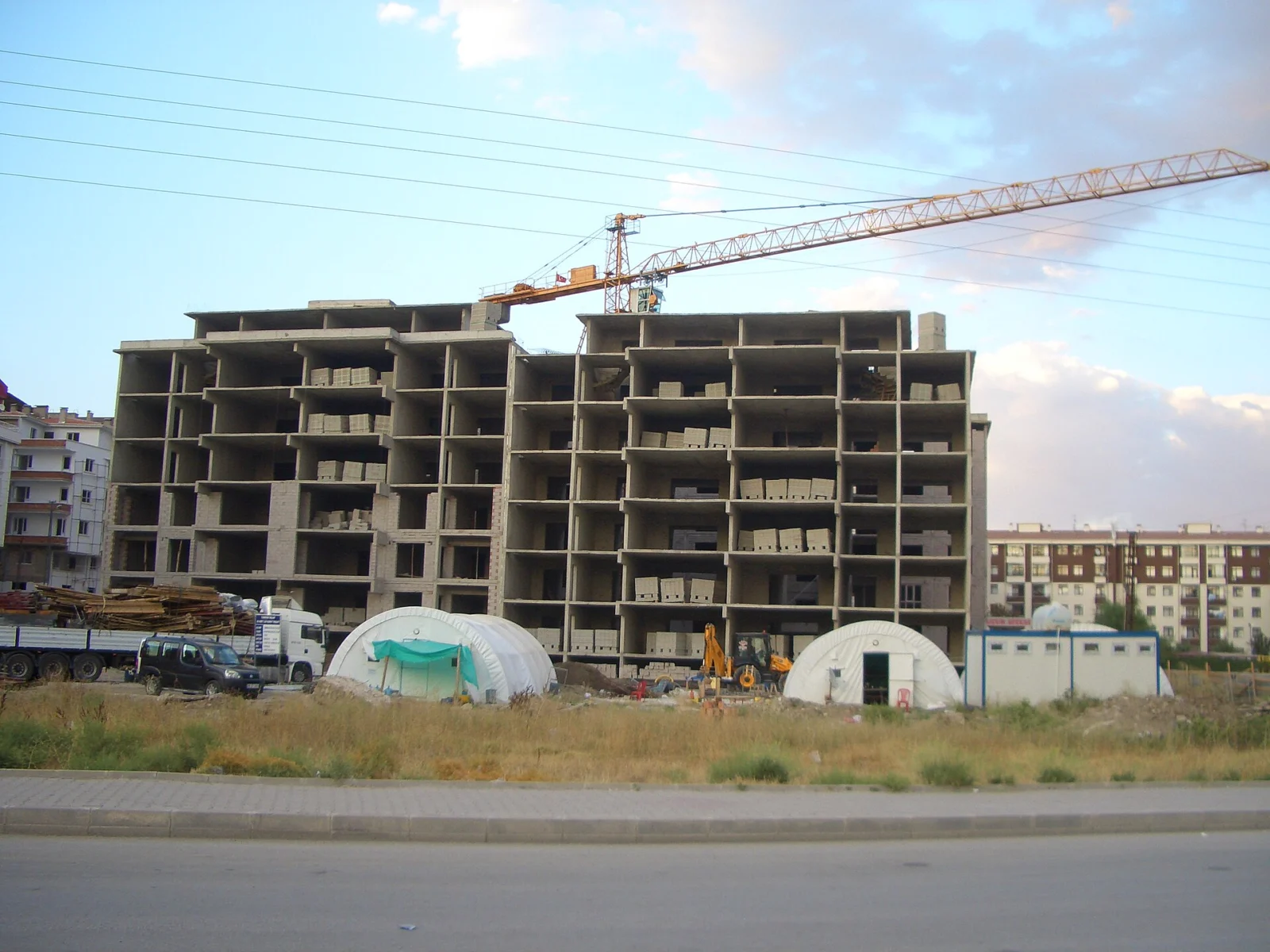
A construction permit is required before work on a building can begin, while an occupancy permit certifies that a completed building can be lived in or used. Permit data therefore indicate future activity in the construction sector, while occupancy data point to new homes and commercial space entering the market. TurkStat will publish its next building permit bulletin in February 2027.
Source: TÜİK · Image: İdvadimela, CC BY-SA 3.0