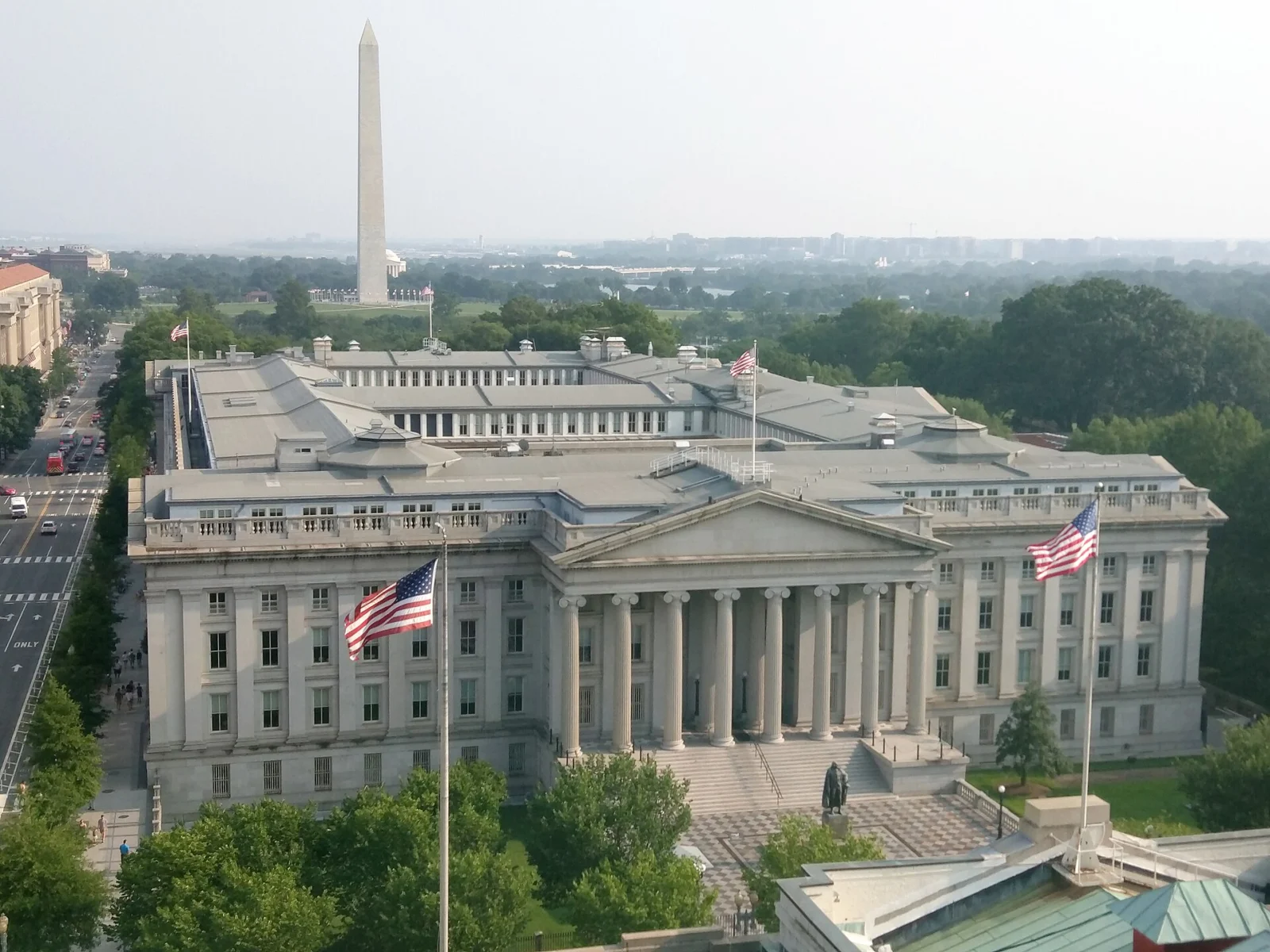
The US Treasury Department on 23 November announced new sanctions on what it calls Iran’s “shadow banking” network, designating more than two dozen exchange houses, front companies and individuals in Iran, the United Arab Emirates, Türkiye and Hong Kong.
According to the department, the action is part of Operation Economic Outcast, the campaign launched in August to cut off Iran’s remaining sources of revenue. Treasury Secretary Scott Bessent said: “Iran’s economy is underwater, and its leaders are panicking.” He described the shadow banking system as “the last financial lifeline of a bankrupt regime” and said Treasury would keep dismantling the networks.
Treasury said the system is overseen by the Central Bank of Iran and relies on Iran-based exchange houses and so-called “rahbar companies”, bank affiliates that manage sanctions evasion for their clients. It said these structures move billions of dollars through thousands of front companies in several jurisdictions, most prominently Dubai and Hong Kong. Those designated include Iran-based Rahbar Bazargani Nesim Baharan Qeshm Company, described as the rahbar company for Bank Sarmayeh, along with three of its officials, and the exchange houses Fashki Exchange and Mellat Exchange and their officials.
Of the ten companies named as exchange house fronts, eight are based in Dubai, one in Hong Kong and one in Türkiye, listed as Bogazici Gumrukleme Ithalat Ihracat Turizm Petrol Urunleri Sanayi Ve Ticaret Limited Sirketi. Treasury said Dubai-based Recaz Star General Trading had sent and received hundreds of payments worth more than $170 million from persons linked to Sadaf Exchange, while OGA Global General Trading handled millions of dollars in payments for the National Iranian Tanker Company, which runs Iran’s state-owned tanker fleet. Other Dubai firms were said to have facilitated payments for National Iranian Copper Industries and Kharg Petrochemical.
State Department spokesman Thomas Pigott said in a statement that Iran uses these networks to fund weapons purchases and armed proxies in the region. The designations were made under executive orders 13902, 13224 and 13871, covering Iran’s financial sector, counterterrorism and the metals industry. Iran had not issued a public response.
Background
Bessent announced the operation on 24 August 2026, calling it “Economic D-Day”. It targets Iran’s oil smuggling and sanctions evasion routes. Treasury says it works with the European Union, the United Kingdom and Gulf partners, and that secondary sanctions exposure has been widened for anyone still doing business with Iran. In late August, the UAE central bank put Banque Misr’s branches in the Emirates under review following a US sanctions warning.
Source: ABD Hazine Bakanlığı, ABD Dışişleri Bakanlığı · Image: MeanieHyaena, CC BY 4.0