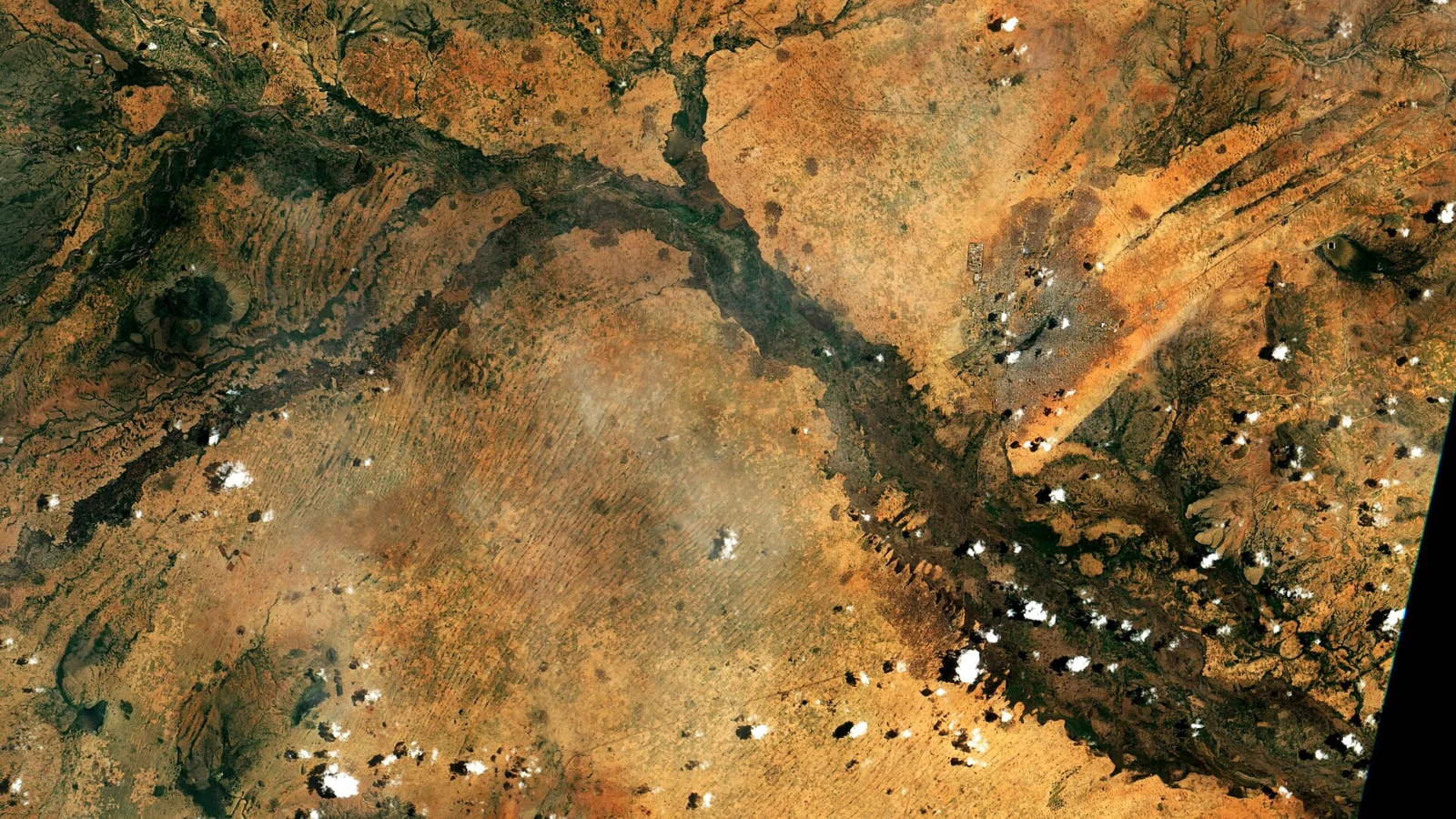
Darfur is a region of about 493,000 square kilometres in western Sudan, bordering Chad, Libya and the Central African Republic, and El Fasher, the capital of North Darfur, is its most important city. Known worldwide since the war of 2003, Darfur is again at the centre of Sudan’s civil war after El Fasher fell to the Rapid Support Forces (RSF) in October 2025.
Where is Darfur and what is it like?
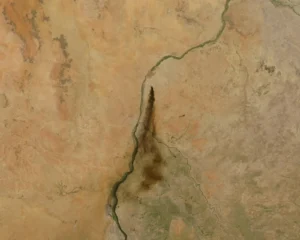
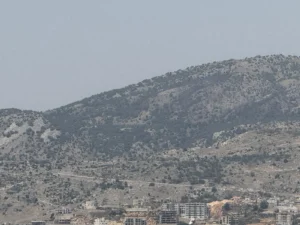
Roughly the size of mainland Spain, Darfur is largely a semi-desert plateau. The volcanic Marrah Mountains (Jebel Marra), rising to 3,042 metres, stand at its centre, while the Sahara begins to the north. The region is divided into five states, Central, East, North, South and West Darfur, and its main towns are El Fasher, Geneina and Nyala. Its name means “home of the Fur” in Arabic. Alongside non-Arab peoples such as the Fur, Masalit and Zaghawa, Arab tribes also live there. Its population was put at 7.5 million in 2008.
Why does Darfur have a history of its own?
For centuries the region was ruled separately from the states of the Nile valley. The Daju kingdom emerged in the 12th century and the Tunjur in the 14th; under the Keira dynasty that followed, the Sultanate of Darfur became one of the powers of the Sahel. It came under Egyptian rule in the mid-1870s, and after the defeat of the Mahdist State Ali Dinar was recognised as sultan. Anglo-Egyptian forces took the region in 1916 and annexed it to Anglo-Egyptian Sudan. According to the sources, Darfur remained neglected in economic development after independence in 1956.
What kind of city is El Fasher?
El Fasher is a former caravan post about 700 metres above sea level, 195 kilometres northeast of Nyala. It dates back to the late 18th century, when Sultan Abdul Rahman el-Rashid of Darfur moved his itinerant court, or fashir, to the site. Its population of 264,734 in 2006 rose above 500,000 by 2009 according to UN-Habitat, driven by displacement and migration. The Abu Shouk and Al Salam camps north of the city sheltered large numbers of people displaced by war.
What happened in the 2003 Darfur war?
In February 2003 the Sudan Liberation Movement and the Justice and Equality Movement took up arms against the government, accusing it of oppressing non-Arab peoples. The government responded with the Janjaweed militias, recruited largely from Arab tribes. Death toll estimates vary by source: the UN’s best estimate is that about 300,000 people had died by 2010, English Wikipedia cites a figure of 480,000, and the Sudanese government put the toll at 10,000. More than 2.8 million people were displaced. US Secretary of State Colin Powell described the events as genocide.
Why did the International Criminal Court get involved?
On 31 March 2005 the UN Security Council referred Darfur to the International Criminal Court (ICC). The court issued an arrest warrant for President Omar al-Bashir in 2009 and added genocide charges in July 2010. Janjaweed leader Ali Kushayb was arrested in the Central African Republic in 2020 and convicted of war crimes and crimes against humanity in 2025. Peace agreements were signed in Abuja in 2006, Doha in 2011 and Juba on 31 August 2020, and the UN-African Union peacekeeping mission UNAMID ended on 31 December 2020.
How did the siege of El Fasher unfold?
When war broke out between the army and the RSF in April 2023, El Fasher became the army’s last stronghold in Darfur. Sources date the siege differently: the El Fasher article says the RSF besieged the city from April 2024, while the article on the siege says the blockade began on 10 May 2024. The Zamzam and Abu Shouk camps came under attack during the siege, and according to the World Health Organization a drone strike on the Saudi maternity hospital in January 2025 killed at least 70 people. Satellite imagery showed the RSF building an earthen barrier of about 57 kilometres around the city.
What happened after the city fell?
The army’s 6th Infantry Division headquarters fell on 26 October 2025 and the city was fully in RSF hands on 27 October; army chief Abdel Fattah al-Burhan confirmed the withdrawal on 28 October. In the massacre that followed, an estimated 60,000 to 68,000 civilians were killed, many of them Zaghawa. According to the UN, more than 26,000 people fled within two days, most of them to Tawila. On 4 November 2025 the IPC Famine Review Committee confirmed famine at the most severe level, IPC5, in El Fasher. By January 2026 the city was described as a ghost town.
Who controls Darfur today?
With the fall of El Fasher, all five of Darfur’s state capitals came under RSF control. The rival Government of Peace and Unity, which includes the RSF, set up a parallel regional administration in 2025, whereas the Darfur Regional Government re-established during the transition in August 2021 had been placed under Minni Minnawi. In recent months fighting has also intensified in Kordofan, where fears have been voiced that El Obeid could become a second El Fasher and Amnesty International has called for drone attacks on the city to be investigated.
Source: Vikipedi (İngilizce), Darfur, Vikipedi (İngilizce), El Fasher, Vikipedi (İngilizce), Siege of El Fasher, Vikipedi (İngilizce), War in Darfur, Vikipedi (Türkçe), Darfur · Image: Coordenação-Geral de Observação da Terra/INPE, CC BY-SA 2.0