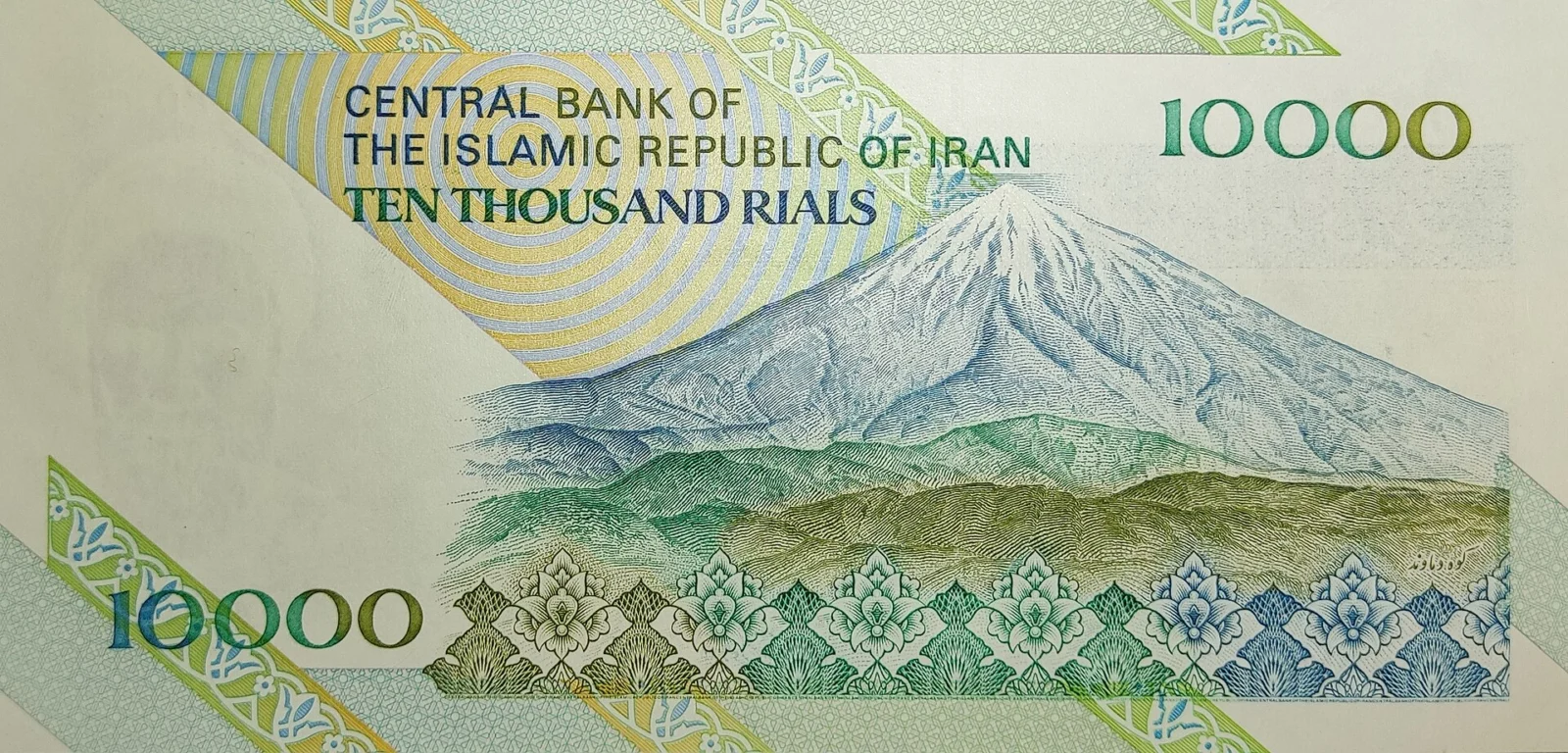
The Iranian rial fell to an all-time low against the US dollar on Tuesday, a day after Washington imposed new sanctions on the financial networks Iran uses to obtain foreign currency.
According to Middle East Monitor, citing currency trackers, the dollar reached 2.856 million rials, or 285,600 tomans, on Tehran’s open market, based on AlanChand data. Another tracker, Pashizi, put the selling rate at 2.848 million rials, or 284,800 tomans.
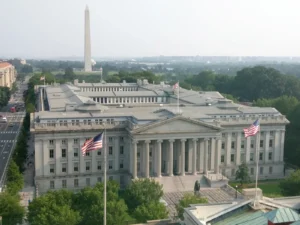
On Monday, the US Treasury Department sanctioned more than two dozen currency exchange businesses, companies and individuals it described as part of Iran’s “shadow banking network”. The Treasury said the network helps Iranian firms make cross-border payments and access foreign currency. The measures also covered the Iran Currency and Gold Exchange Center. Central Bank of Iran Governor Abdolnaser Hemmati said the center serves as a platform for registering transactions, according to the Tasnim news agency.
The slide comes amid persistently high inflation. Data from the Statistical Center of Iran showed consumer prices in the Iranian month of Mehr, which ended in October, were 88.7% higher than a year earlier. Average inflation over the 12 months to Mehr reached 76.8%, while food, beverage and tobacco prices rose 113.4% year on year.
The report did not include any new comment from Iranian officials on the latest drop.
Background
The rial has set a series of record lows in recent months. In late September, the dollar traded above 2.5 million rials in Tehran for the first time. When the rate climbed to around 2.69 million rials in early October, the Central Bank of Iran announced it would supply up to $2 billion in foreign currency to the market. Central bank officials at the time partly blamed the fall on US officials’ predictions that Iran’s economy would collapse and argued the trend was temporary.
Washington has expanded sanctions on Iran’s oil revenues and financial channels during the war, while a US naval blockade restricts oil exports, the country’s most important source of income.
Source: Middle East Monitor · Image: Parsa 2au, Public domain