Reactions are still coming in after the International Court of Justice (ICJ) ruled that Myanmar’s military committed genocide against the Rohingya in 2017. According to Global Voices, around 14 countries have acknowledged the ruling, the United Kingdom has imposed sanctions on senior Myanmar military officers, and China has objected to the decision.
In its ruling on 19 November, the court in The Hague found by a vote of 9–6 that the military’s “clearance operations” in western Rakhine state constituted genocidal acts. The operations killed at least 10,000 people and drove more than 700,000 Rohingya into neighbouring Bangladesh. The Gambia, backed by the Organization of Islamic Cooperation, brought the case in November 2019. Global Voices noted that it is the first time the ICJ has found a state liable for committing genocide.
The military government, which seized power in a February 2021 coup, called the decision unfair and a “great disappointment”, pointing out that it was not unanimous. The National Unity Government, which represents pro-democracy forces, said: “The ICJ judgment is an important step in the pursuit of justice, but it cannot be the end.”
The UN Special Rapporteur on the situation of human rights in Myanmar, Kelley E. Currie, said: “Today the world court has called the crimes by their true name: genocide.” Yanghee Lee, a founding member of the Special Advisory Council for Myanmar, said: “Justice has been decided, but not yet delivered.” The Karen National Union stressed that the same military continues to commit atrocities against civilians across the country.
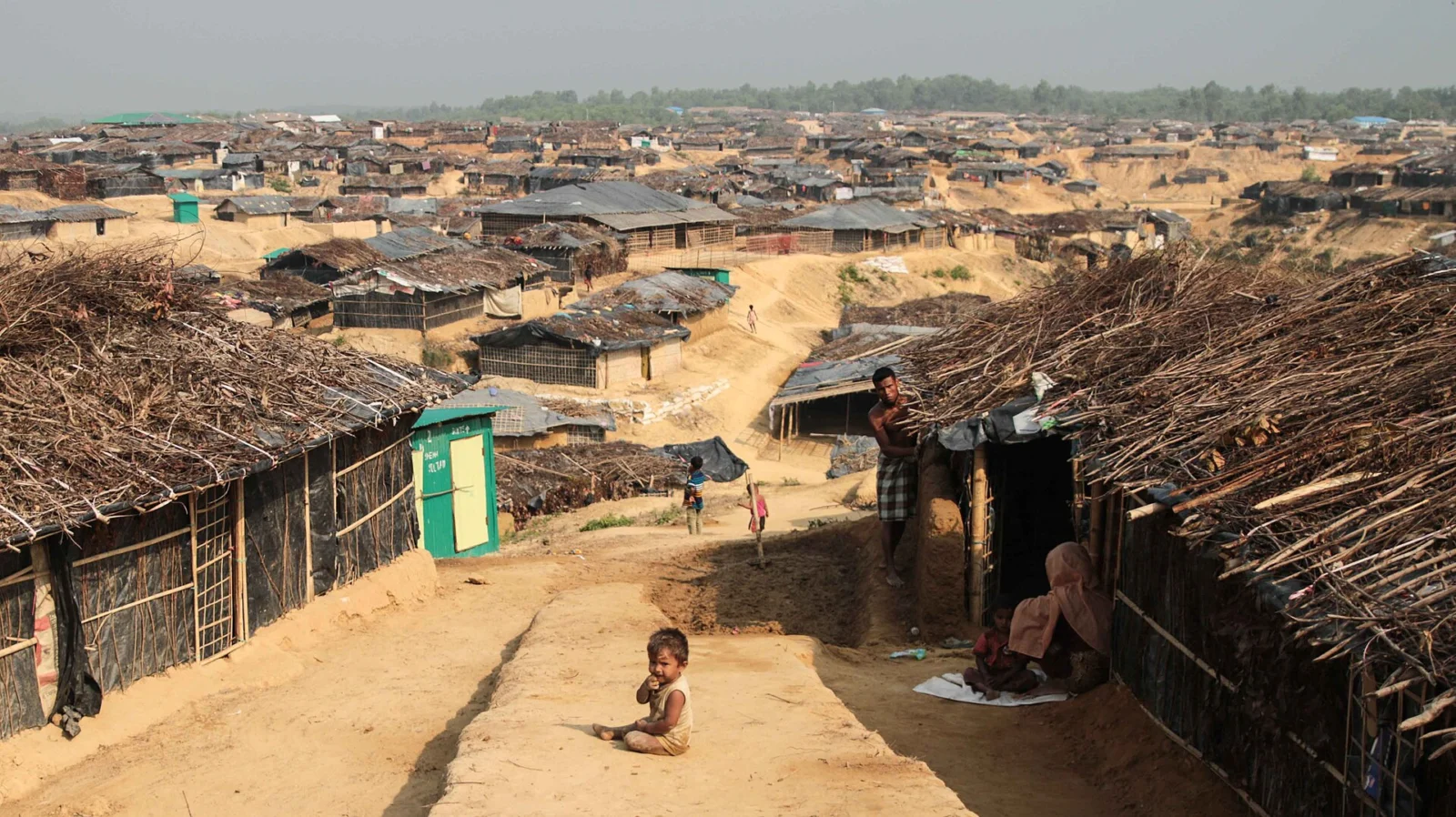
In the refugee camps in Bangladesh, the ruling was welcomed. “The Myanmar military tried to convince the world that we had lied. Today, the truth has been recognized,” said 58-year-old Monajat Alam. Journalist Nyein Chan Aye warned of a recent rise in social media posts inciting hatred against the Rohingya. China cited “jurisdiction overreach and expanded interpretation” and argued that the ruling could undermine the settlement of disputes.
Background
Myanmar has more than a hundred ethnic groups but does not recognise the Rohingya, who are treated as illegal immigrants even though many were born in the country and have lived there for generations. They have faced decades of hate speech and violence from state forces and hardline Buddhist nationalists. Millions of stateless Rohingya now live in camps.
Source: Global Voices (Mong Palatino) · Image: John Owens ( VOA ), Public domain