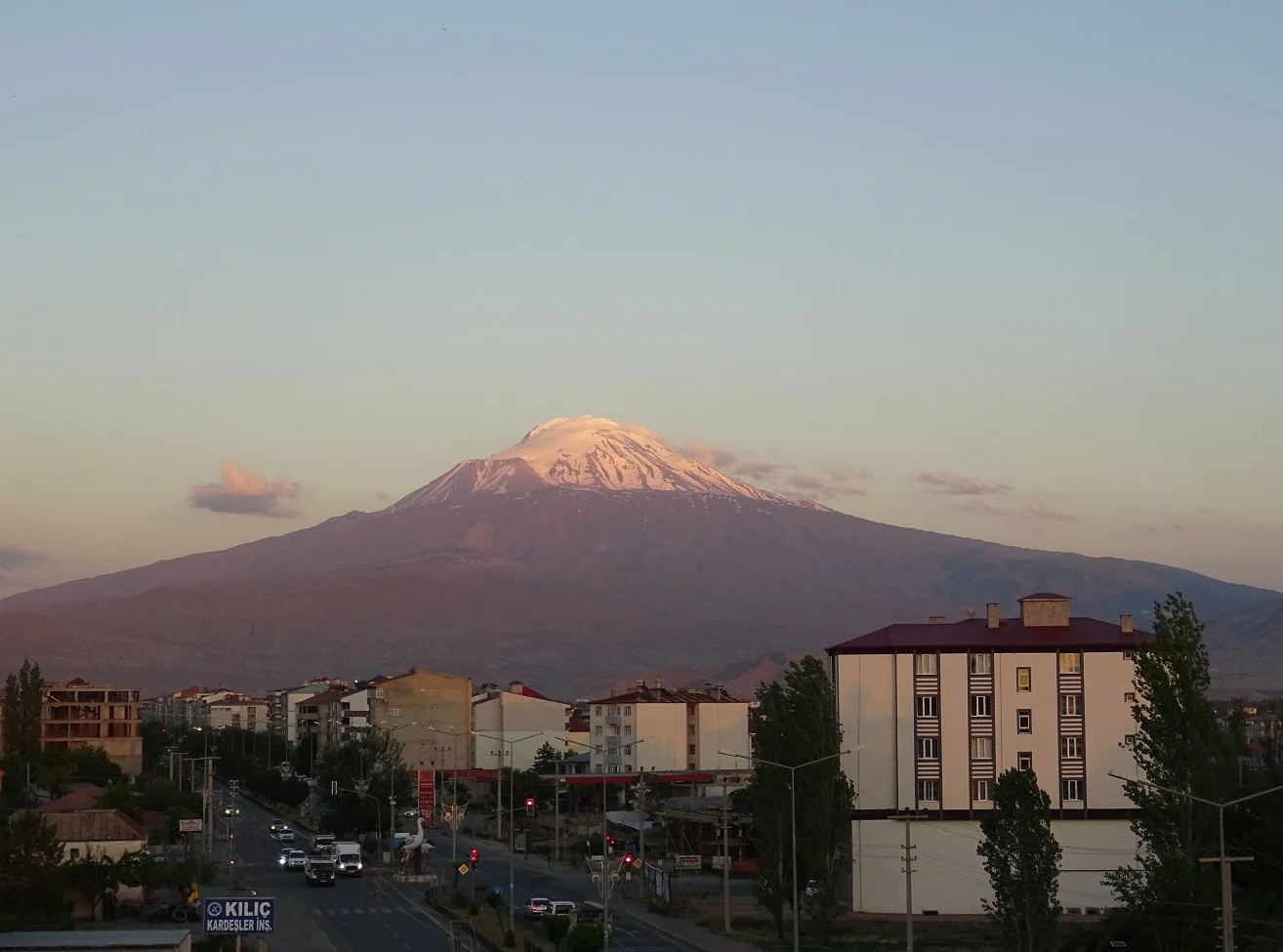
Turkish President Recep Tayyip Erdoğan said the opening of the Zangezur route will strengthen transport links between mainland Azerbaijan and Nakhchivan and give the connection between Türkiye and the Turkic world “a new opportunity”, in a message to the International Caucasus Congress held in the eastern province of Iğdır.
In the message, published by Türkiye’s Directorate of Communications on 24 November, Erdoğan thanked the organisers and the scholars taking part. He said the history of the Caucasus was “our history too”, that the region’s peoples had shared pain and joy for centuries, and that today there was a responsibility to leave future generations a region where they could live in peace and security.
Erdoğan recalled that, together with Azerbaijani President Ilham Aliyev, he had turned the “one nation, two states” principle into an alliance with the Shusha Declaration. He said the Azerbaijani flag flying in Shusha, Fuzuli and Lachin was also a source of pride for Türkiye, and that the two countries would work with the same determination for peace and prosperity in the Caucasus as they had shared the joy of victory in Karabakh.
The message also said revived trade along Silk Road routes, deeper cooperation and stronger human ties would benefit the whole region. “In our vision, the Caucasus is a region where peace has become permanent, neighbours trade with each other and every country shares in common prosperity,” Erdoğan said.
Background
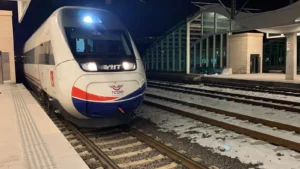
The Zangezur route also features in Türkiye’s own transport plans. Presenting his ministry’s 2027 budget to parliament’s planning and budget committee on 24 November, Transport Minister Abdulkadir Uraloğlu said the 224-kilometre Kars-Iğdır-Dilucu railway would create a new link to Azerbaijan via Zangezur. The route has drawn criticism in Iran: Mohammad Mokhber, an adviser to Iran’s Supreme Leader Mojtaba Khamenei, said in a social media post reported by Mehr on 23 November that “fake routes” could never replace “real corridors” and that Iran’s geopolitical interests in the region were a “red line”.
Source: İletişim Başkanlığı, Mehr · Image: Sabri76, CC0