Nepali food historian Binti Gurung says the culinary traditions of Indigenous communities in Nepal have been overshadowed by a “national food” narrative. Working with women’s groups in mountain villages, she is recording recipes and knowledge of foraged plants that are at risk of being forgotten.
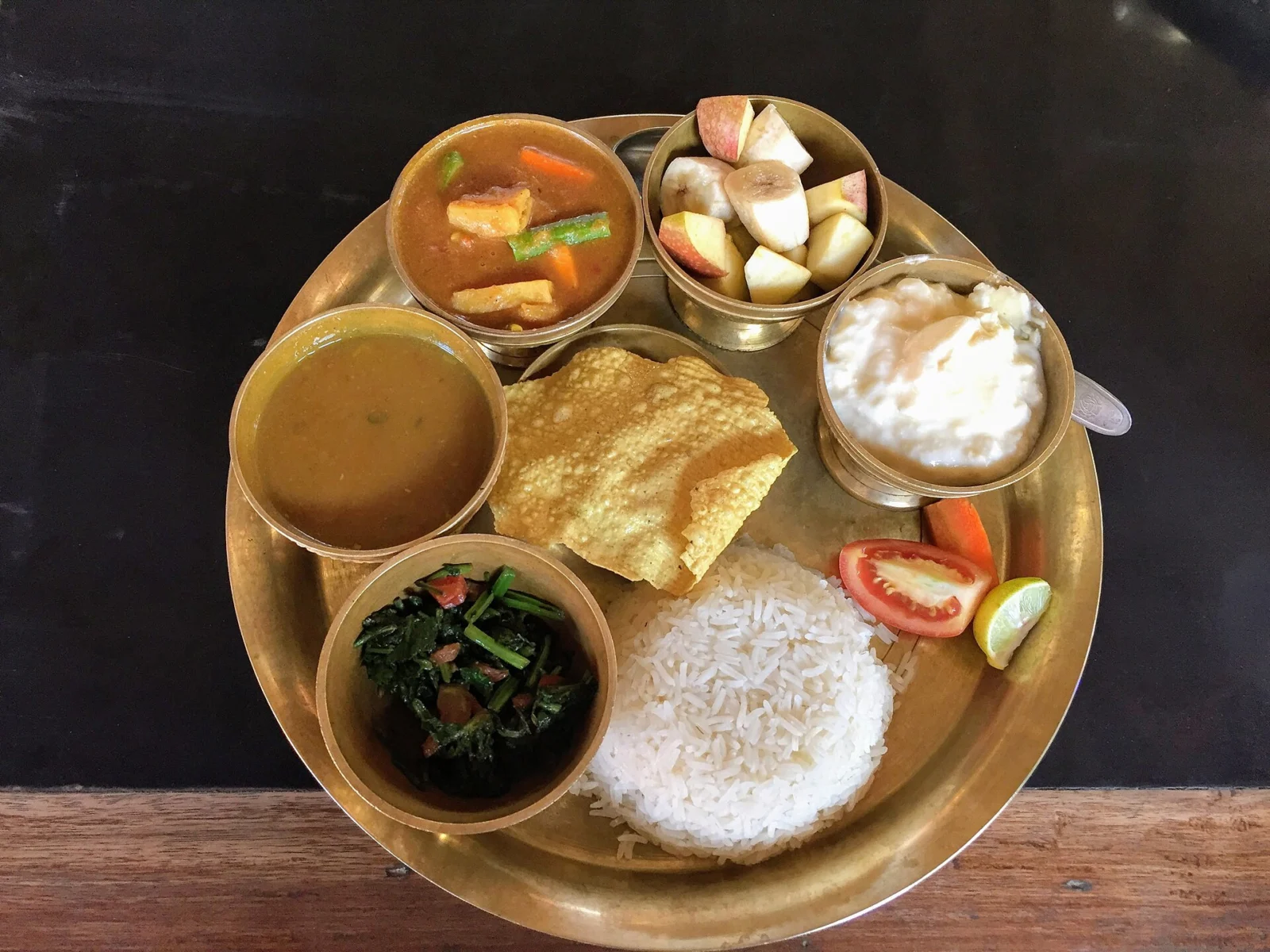
Speaking to Sanjib Chaudhary of Global Voices in an interview published on 21 November, Gurung said that since Nepal opened up to the outside world in the 1950s, the search for a national food identity elevated daal bhaat, a combination of lentils and rice served with vegetables, to the status of national dish. She argues that this narrative “completely obscures the varied regional histories and food practices of the Indigenous peoples.”
Through the Natural Roots Foundation, which she founded in 2017, Gurung documents Indigenous Himalayan food heritage, traditional recipes and local knowledge, with a focus on neglected plants and herbs foraged in forests and mountains. Working with Aama Samuha, a collective of village women’s groups that maintains cultural traditions, she archives food knowledge held mainly by Indigenous women.
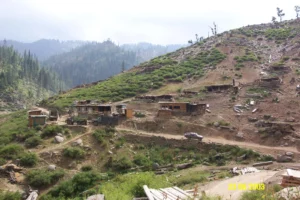
Her book, The Lekhali Cookbook, takes its name from lekh, the high ridges of Nepal, and highlights the shared food tradition of women’s groups in the Mustang, Manang, Lamjung and Gorkha districts. Gurung says that for many Indigenous communities the problem has been others writing their history, while much knowledge has been passed on only orally.
She also rejects the idea that any dish belongs to a single community, describing food practices as a living, evolving tradition. Foraging methods, she notes, are similar in the high mountains, the hills and the Terai plains.
Background
Nepal is a multi-ethnic country whose communities have their own food and agriculture systems. Gurung says that although the 2015 constitution recognises the right to food, it remains unclear what this means for Indigenous groups, including whether communities living near forests can still access ancestral foods once those forests become national parks.
Why it matters
Gurung’s work reflects a global debate over how globalisation and food politics push local cuisines aside. The issue goes beyond recipes to access to land and forests and the ways of life tied to them, and knowledge passed on only by word of mouth risks being lost within a generation if it is not recorded.
Source: Global Voices (Sanjib Chaudhary, CC BY) · Image: Subhashish Panigrahi, CC BY-SA 4.0