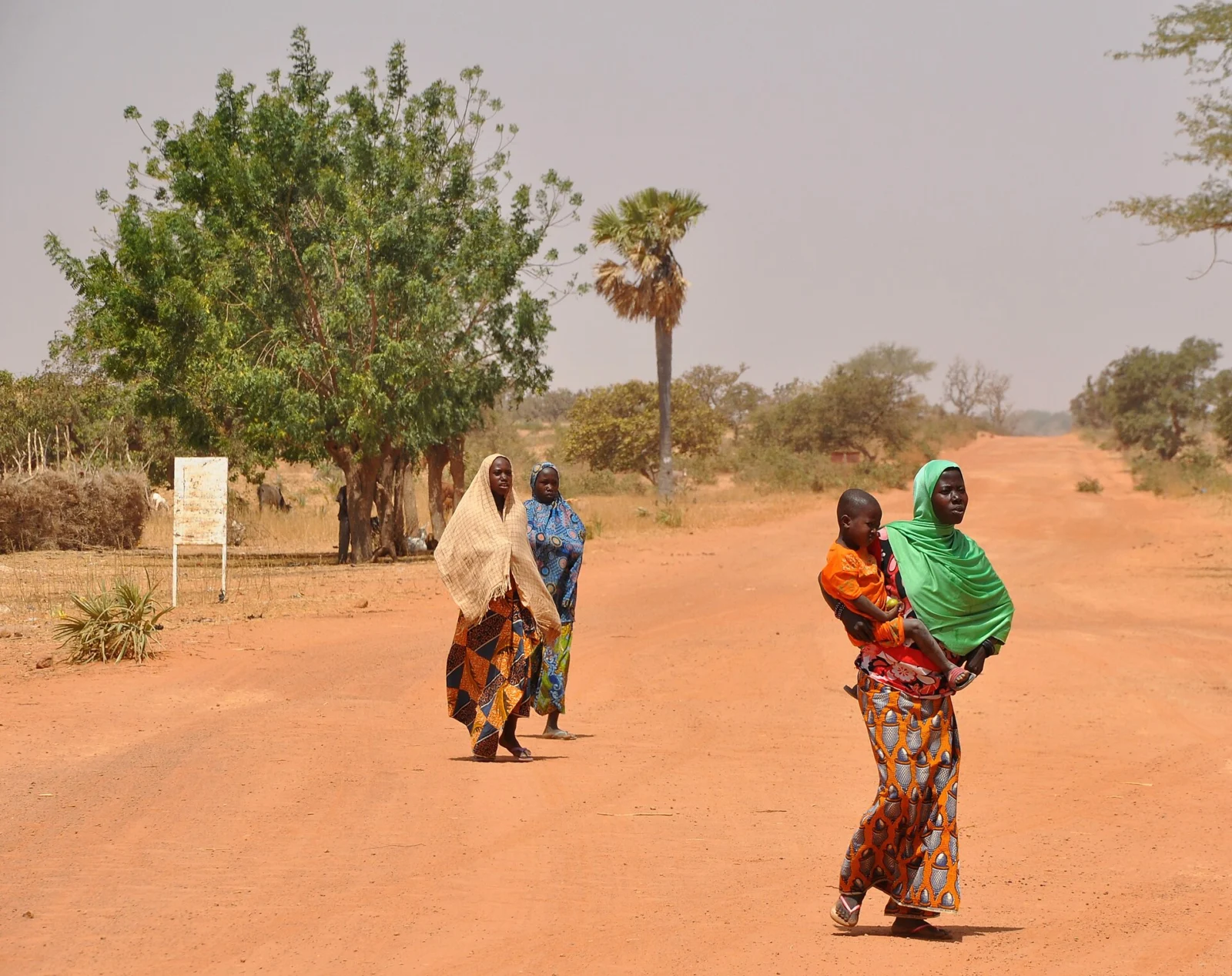
Women in Niger often lose their rights in disputes over land, inheritance and child custody before ever reaching a courtroom. According to a survey by the Hague Institute for Innovation of Law (HiiL) and Niger’s justice ministry, 41 percent of women do not know their legal rights, and only 4 percent of women with justice problems turn to formal courts.
According to a Global Voices report published on 23 November, 61 percent of people in Niger, whose population exceeded 27 million in 2024, experienced at least one problem accessing justice that year. Some 70 percent of men and 52 percent of women reported such problems. Researchers say the gap does not mean women suffer fewer injustices, but that many do not see their problems as legal issues or do not seek redress.
The survey found that 38 percent of women drop an ongoing court case, compared with 34 percent of men. Nearly two-thirds of women (64 percent) have no formal education, against 47 percent of men. Domestic violence is the most pressing problem for women, with 29 percent saying they have experienced some form of intimate partner violence. It rose from the eighth to the third most serious problem for the general population between 2022 and 2024, which HiiL says may point to more reporting.
In rural areas, home to more than 80 percent of Nigeriens, land means food and income for women. The law grants women the right to own and inherit land, but customary and family rules often stand in the way. In some areas, a married woman is considered part of her husband’s family and cannot inherit land from her own. After divorce or a partner’s death, custody decisions are also usually made outside court under the influence of customary authorities. At the end of 2017, only 39 of Niger’s 399 magistrates were women.
Almost a third of women avoid courts or customary authorities to preserve family relations, and about a quarter believe legal action will not bring a fair result. Some 40 percent of women name family as a source of support, compared with 28 percent of men. HiiL recommends giving customary decisions full legal status and strengthening mediation. Niger’s free legal aid agency, ANAJJ, helped 33,394 people in 2025, including 8,489 women.
Background
Most of Niger’s population lives in rural areas, where disputes are usually settled through direct negotiation, family or customary authorities. HiiL carried out part of its qualitative research in the Dosso and Tillabéri regions and produced a manual for practitioners. The report is part of a Global Voices series this month that looks at justice as infrastructure.
Source: Global Voices · Image: NigerTZai, CC BY-SA 4.0